
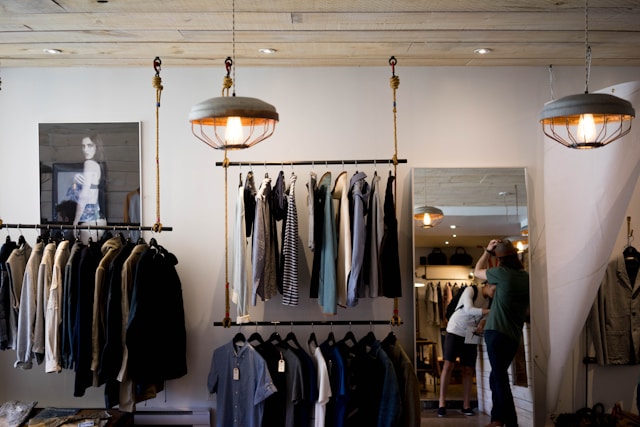

Quick answer: Retail shop renovation in Singapore currently focuses on blending physical and digital elements to boost customer engagement. Key retail design trends include biophilic concepts, omnichannel technology integration, and the use of sustainable materials. Renovating a commercial space helps brands stay competitive by creating immersive, memorable environments that drive customer retention and sales.
Shopping malls and retail districts in Singapore are highly competitive environments. From the luxury boutiques lining Orchard Road to the bustling neighborhood shops in heartland malls, physical retail remains a cornerstone of the local economy. E-commerce platforms have certainly changed how consumers purchase goods, but physical stores offer something digital platforms cannot easily replicate. Physical retail provides a tactile, immersive environment where customers can interact directly with products and brand ambassadors.
To maintain foot traffic and encourage repeat visits, retail business owners must continually adapt their physical spaces. A well-executed retail shop renovation does much more than update faded paint or replace old shelving. It fundamentally alters how a customer interacts with the space. Store design heavily influences consumer psychology, guiding shoppers through a curated journey that highlights specific merchandise and encourages longer dwell times.
This guide explores the current state of retail shop renovation in Singapore. We will examine the store design trends shaping modern customer experiences, discuss the practicalities of commercial renovation, and outline how business owners can make informed decisions about their physical storefronts. Readers will learn how to integrate new technologies, apply sustainable practices, and choose the right interior design contractor for their commercial projects.
Why is a strategic retail shop renovation in Singapore essential for modern businesses?
Physical retail spaces require periodic updates to remain relevant to shifting consumer preferences. Shoppers today expect a seamless, visually appealing, and highly functional environment. When a store feels outdated, consumers often perceive the brand itself as outdated.
A strategic retail renovation with SCDC Asia directly impacts business performance. By rethinking the store layout, business owners can eliminate friction points that frustrate shoppers. Clear aisles, strategic lighting, and logical product placements ensure that customers can easily find what they need. Furthermore, a refreshed interior design allows a brand to visually communicate its values, whether those values center on luxury, sustainability, or technological innovation.
How does store layout impact customer retention in retail?
Store layout is a critical component of consumer psychology. The way a retail space is organized dictates the flow of foot traffic and influences purchasing decisions. For example, a grid layout maximizes shelf space and suits supermarkets, while a free-flow layout encourages exploration and works well for high-end fashion boutiques.
When customers can navigate a store effortlessly, they feel more relaxed and spend more time browsing. This increased dwell time often translates directly to higher sales volumes. Strategic placement of checkout counters, fitting rooms, and interactive displays ensures that customers encounter key merchandise at optimal moments during their visit.
What are the top retail store design trends in Singapore for 2024 and beyond?
Design trends in the Singaporean retail sector are shifting toward creating holistic experiences. Modern consumers view shopping as a leisure activity. Consequently, retail spaces must offer environments that entertain, educate, and inspire.
How are biophilic design elements changing retail spaces?
Biophilic design involves incorporating elements of nature into indoor environments. In a highly urbanized city like Singapore, integrating natural components provides a refreshing contrast to concrete surroundings. Retailers are adding indoor plants, living green walls, natural wood textures, and water features to their store layouts.
Biophilic design reduces stress and creates a calming atmosphere for shoppers. When customers feel relaxed, they are more likely to linger. Retailers utilizing natural lighting and earthy color palettes report increased customer satisfaction and an enhanced perception of brand quality.
How does omnichannel technology integration improve the shopping experience?
Omnichannel retail merges the physical and digital shopping experiences. Customers frequently research products online before visiting a physical store to see the items in person. Retail shop renovations now heavily feature technological infrastructure to support this behavior.
Business owners are installing interactive digital kiosks, smart mirrors in fitting rooms, and mobile point-of-sale (POS) systems. Smart mirrors allow customers to request different sizes or view product information without leaving the fitting room. Mobile POS systems eliminate long queues at traditional checkout counters, allowing staff to process transactions anywhere on the shop floor. Incorporating these technologies requires careful planning during the renovation phase to ensure adequate power supply and network connectivity.
What role does sustainable material play in commercial renovations?
Environmental consciousness is a growing priority for Singaporean consumers. Shoppers actively seek out brands that demonstrate a commitment to sustainability. Retailers are reflecting this shift by choosing eco-friendly materials for their commercial renovations.
Store owners are opting for recycled wood, low-VOC (volatile organic compound) paints, and energy-efficient LED lighting systems. Adhering to guidelines set by the Building and Construction Authority (BCA) Green Mark scheme also helps businesses reduce their long-term operational costs through improved energy and water efficiency. Choosing sustainable materials minimizes the environmental impact of the renovation while appealing to eco-conscious consumers.
Why are experiential retail zones becoming the industry standard?
Traditional product displays are making way for experiential zones. These dedicated areas within a store allow customers to test products, attend workshops, or participate in brand-hosted events. For instance, a cosmetics brand might create a skincare consultation bar, while a sports apparel retailer might install a small putting green or a treadmill for shoe testing.
Experiential zones transform a standard shopping trip into a memorable event. This strategy builds strong emotional connections between the consumer and the brand, fostering long-term loyalty and encouraging word-of-mouth marketing.
How much does a retail shop renovation in Singapore typically cost?
Budgeting for a retail renovation requires an understanding of the various factors that influence overall costs. The final price tag depends on the size of the retail unit, the complexity of the design, the quality of materials, and the extent of structural or electrical work required.
A basic aesthetic refresh, involving repainting, updating lighting fixtures, and installing new modular shelving, generally incurs lower costs. A complete overhaul involving structural changes, custom carpentry, plumbing for water features, and advanced technological integrations will demand a significantly larger investment.
Choose a basic aesthetic refresh if minimizing downtime and maintaining a strict budget matters more than completely rebranding the space. Choose a complete overhaul if the current store layout fundamentally hinders customer flow or if the brand is launching a major new identity that requires a totally bespoke environment.
What hidden costs should retailers anticipate during a commercial renovation?
Business owners must allocate funds for unexpected expenses. Hidden costs often include obtaining necessary permits from mall management or government bodies like the Urban Redevelopment Authority (URA) or the Singapore Civil Defence Force (SCDF) for fire safety compliance. Additionally, retailers should budget for the cost of temporary storage for inventory and potential revenue lost during the closure period.
How to choose the best retail interior design contractor in Singapore?
Selecting the right commercial interior design contractor determines the success of the renovation project. Retail renovations require specific expertise that differs from residential interior design. A competent retail contractor understands consumer psychology, mall management regulations, and commercial safety codes.
Business owners should look for design firms with a proven track record in commercial projects. Request to view their portfolio of completed retail spaces in Singapore. It is crucial to check if the firm has experience working within the specific constraints of shopping malls, which often dictate strict working hours and noise control regulations.
Furthermore, verify that the contractor holds relevant accreditations, such as bizSAFE certification, which ensures they adhere to strict workplace safety and health standards. Clear communication regarding timelines, payment schedules, and project management responsibilities must be established before signing any contracts.
Ready to transform your physical retail space?
A successful retail shop renovation in Singapore requires careful planning, a clear understanding of consumer behavior, and a willingness to embrace new design trends. By prioritizing customer experience through intuitive layouts, biophilic elements, and seamless technology integration, retailers can create environments that attract and retain modern shoppers.
Take the time to evaluate your current retail space. Identify areas where foot traffic stalls or where product displays fail to capture attention. Consult with experienced commercial interior designers to explore how a strategic renovation can revitalize your brand presence and drive measurable business growth in Singapore’s dynamic retail market.
Frequently Asked Questions about retail shop renovation in Singapore
How long does a typical retail shop renovation take to complete in Singapore?
A standard commercial renovation usually takes between four to eight weeks, depending on the project’s complexity and the size of the retail unit. Minor updates may take only a couple of weeks, whereas comprehensive structural overhauls involving extensive custom carpentry and technology integration can extend beyond two months. Mall regulations restricting noisy works to non-operating hours can also impact the timeline.
What permits are required for renovating a commercial space in Singapore?
Retail business owners typically need approval from their mall management or landlord before commencing work. Additionally, structural changes or fire safety system alterations require permits from the Building and Construction Authority (BCA) and the Singapore Civil Defence Force (SCDF). Your chosen commercial interior design firm should handle these applications on your behalf.
Are there alternatives to closing the store completely during a renovation?
Yes, phased renovations allow retailers to keep portions of the store open while work is completed in sections. This approach minimizes complete revenue loss but usually extends the overall project timeline and can be disruptive to the customer shopping experience. Choose phased renovations if maintaining daily cash flow is strictly necessary for business survival.
How can small retail businesses afford commercial renovations?
Small businesses can manage renovation costs by prioritizing high-impact updates, such as improving lighting and updating the storefront facade, rather than undertaking full structural changes. Utilizing modular, off-the-shelf shelving units instead of custom carpentry also significantly reduces expenses.
What is the most important factor in modern retail store design?
The most important factor is creating a frictionless, engaging customer journey. Every design choice, from the lighting to the aisle width, should serve to make the shopping experience comfortable, intuitive, and memorable for the consumer.
