
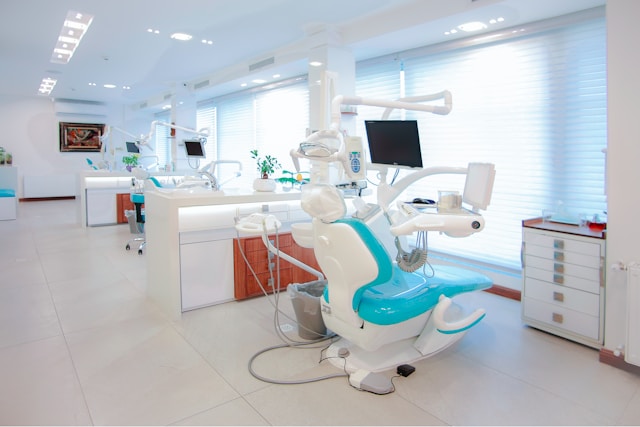

Is your clinic interior starting to look a little tired? Or perhaps your workflow isn’t as efficient as it could be because the layout was designed a decade ago? Renovation is a major milestone for any dental practice in Singapore. It’s an opportunity to not only refresh aesthetics but also to optimize operations, improve patient experience, and ensure compliance with the latest regulations.
However, renovating a healthcare facility in Singapore is far more complex than a typical commercial fit-out. Between strict Ministry of Health (MOH) guidelines, radiation protection requirements for X-ray rooms, and the high cost of specialized dental equipment, the margin for error is slim. A poorly planned renovation can lead to operational downtime, budget blowouts, and licensing delays.
This guide explores everything you need to know about renovating a dental clinic in Singapore in 2026. From budgeting and design trends to navigating regulatory approvals, we will walk you through the essential steps to transform your practice into a modern, efficient, and welcoming space for your patients.
Why Renovate Your Dental Clinic Now?
The dental landscape in Singapore is competitive. Patients today have more choices than ever, and their expectations have shifted. They aren’t just looking for clinical excellence; they want a comfortable, anxiety-free experience. The environment you provide plays a massive role in patient retention.
Enhancing Patient Experience
First impressions matter. If a patient walks into a waiting room with worn-out chairs, harsh lighting, and outdated decor, they may subconsciously question the quality of the clinical care. A modern renovation allows you to create a calming atmosphere—using biophilic design, soft lighting, and acoustic controls—that reduces dental anxiety before the patient even sits in the chair.
Improving Workflow Efficiency
Older clinic layouts often suffer from bottlenecks. Perhaps the sterilization room is too far from the treatment rooms, or the reception area gets congested during peak hours. A strategic renovation rethinks the floor plan. It minimizes the movement required for staff to perform their duties, reducing fatigue and increasing the number of patients you can see in a day.
Regulatory Compliance and Technology Integration
Regulations evolve. What was compliant ten years ago might not meet current MOH standards. Renovating ensures your clinic meets all Private Hospitals and Medical Clinics (PHMC) Act requirements. Furthermore, modern dentistry relies heavily on technology. Renovating gives you the chance to integrate digital dentistry tools, upgrade IT infrastructure, and ensure you have the necessary electrical and plumbing support for new dental chairs and imaging equipment.
Key Design Trends for Singapore Dental Clinics in 2026
Design trends in 2026 are moving away from the sterile, clinical “white box” look. The focus is now on creating spaces that feel more like wellness centers or high-end hospitality environments.
The “Anti-Clinic” Aesthetic
The goal is to make the clinic feel less like a medical facility. We are seeing a shift toward warm wood tones, curved furniture, and hospitality-style reception counters. This approach helps lower patient cortisol levels. Instead of stark white walls, designers are using textured wallpapers, warm greys, and calming pastels to create a soothing vibe.
Biophilic Design
Integrating nature into the built environment remains a dominant trend. This doesn’t just mean a few potted plants. It involves green walls in the waiting area, maximum use of natural light (where privacy permits), and the use of natural materials like stone and timber. Studies consistently show that exposure to nature elements reduces stress and perceived pain levels.
Open-Concept Sterilization Areas
Transparency builds trust. Many modern clinics are now designing sterilization rooms with glass walls visible to patients. This “theater of sterilization” demonstrates your commitment to hygiene and safety, reassuring patients that they are in good hands with SCDC Asia.
Privacy and Acoustics
In dense Singapore commercial spaces, sound travels easily. Modern renovations prioritize acoustic privacy. This involves using sound-absorbing ceiling baffles, double-glazed glass partitions, and white noise machines. Ensuring that conversations in the treatment room cannot be heard in the waiting area is critical for patient confidentiality and comfort.
The Renovation Process: A Step-by-Step Guide
Renovating a dental clinic requires a systematic approach. Rushing into construction without adequate planning is a recipe for disaster.
Phase 1: Planning and Budgeting
Before you hire a contractor, define your goals. Are you expanding? Just refreshing the look? Or doing a total gut renovation? Establish a realistic budget that includes a contingency fund (usually 10-15%) for unforeseen issues.
Cost Considerations in Singapore:
Renovation costs vary wildly based on the scope. For a standard refurbishment, costs might range from SGD $80 to $120 per square foot. However, for a full overhaul involving plumbing, radiation shielding, and high-end carpentry, expect to pay between SGD $150 and $250+ per square foot. Remember to factor in the cost of new equipment, not just the construction.
Phase 2: Choosing the Right Interior Designer and Contractor
Do not hire a general residential contractor for a dental clinic. You need a specialist who understands the unique M&E (Mechanical and Electrical) requirements of dental chairs. They need to know how to run compressed air lines, suction systems, and specialized plumbing.
Ask potential contractors:
- Have you completed dental clinic projects in Singapore before?
- Are you familiar with radiation shielding requirements for OPG/CBCT rooms?
- Do you handle the submission for Fire Safety Certificate (FSC) and other regulatory approvals?
Phase 3: Design and Layout Optimization
Work with your designer to plot the patient journey. From the moment they enter, the flow should be intuitive.
Zoning: Separate the clinical zones from the administrative zones.
Treatment Rooms: Ensure adequate space for the dentist, assistant, and the patient. The standard size is usually around 3m x 3m minimum to allow for comfortable movement.
M&E Planning: This is crucial. The location of the floor box for the dental chair determines everything else. Once the pipes are laid in the concrete, moving them is expensive and messy.
Phase 4: Regulatory Submissions
In Singapore, you cannot simply start hacking walls. Your Qualified Person (QP) or architect must submit plans to various authorities:
- BCA (Building and Construction Authority): For structural safety and accessibility.
- SCDF (Singapore Civil Defence Force): For fire safety compliance (sprinklers, exit signs, etc.).
- NEA (National Environment Agency): For radiation protection licenses if you are installing X-ray equipment.
- PUB: For water and drainage works.
Phase 5: Construction and Installation
Once approvals are in, construction begins. This typically takes 4 to 8 weeks depending on the size of the clinic. During this phase, coordination between the general contractor and the dental equipment supplier is vital. The equipment supplier needs to inspect the pre-installation piping and wiring before the floor finishes and cabinetry are installed to ensure everything is in the right place.
Critical Technical Requirements
The difference between a functional clinic and a nightmare lies in the technical details.
Plumbing and Drainage
Dental chairs require specific drainage gradients. If the gradient is too shallow, you risk frequent blockages. The suction motor and compressor create noise and heat; they should be placed in a well-ventilated plant room, ideally soundproofed away from the waiting area.
Electrical Load
Dental equipment, autoclaves, and X-ray machines draw significant power. Ensure your unit’s electrical load is sufficient (often requiring a 3-phase power supply). You will need dedicated isolators for the X-ray machines and ample power points for curing lights, intraoral cameras, and computers in the treatment rooms.
Radiation Shielding
Your X-ray room (for OPG or CBCT) must be lead-lined. This includes lead-lined drywall or plywood, and lead-glass for the viewing window. A radiation physicist must test the room layout and shielding calculations before NEA grants the license to operate the equipment.
Cabinetry and Materials
Dental cabinetry sees heavy use. Use high-pressure laminates (HPL) that are chemical resistant and durable. Avoid porous materials like natural stone on clinical countertops, as they can harbor bacteria and stain easily. Corian or solid surface materials are preferred for their seamless, hygienic finish.
Managing Downtime During Renovation
For existing clinics, minimizing downtime is a priority. Closing the clinic for a month means zero revenue while overheads continue.
Phased Renovation: If your clinic is large enough, consider renovating in phases. You might close off two treatment rooms while operating in the others. This is stressful due to noise and dust, but it keeps revenue flowing.
Night/Weekend Work: Contractors can work after hours, but this incurs higher labor costs and may be restricted by building management noise regulations.
Temporary Relocation: In extreme cases, or for total overhauls, renting a temporary space or partnering with a nearby friendly clinic for emergency cases might be necessary.
Essential Checklist for 2026 Renovations
Before you sign the contract, run through this final checklist to ensure no stone is left unturned.
- Capacity Check: Have you checked if the building’s floor loading capacity can support heavy equipment like the OPG machine and lead shielding?
- IT Infrastructure: Have you installed CAT6 cables for high-speed data transfer (crucial for digital X-rays)? Do you have a server rack location planned?
- Lighting: Do you have high CRI (Color Rendering Index) lighting in treatment rooms for accurate shade matching?
- Accessibility: Does the renovation meet Singapore’s Code on Accessibility in the Built Environment? (e.g., wheelchair-accessible ramps and toilets).
- Storage: Have you planned enough storage for consumables? A lack of storage is the number one complaint post-renovation.
- Future-Proofing: Have you laid extra conduits or piping for potential future expansion of treatment rooms?
Frequently Asked Questions
How long does a dental clinic renovation take in Singapore?
Typically, the design and approval phase takes 4-6 weeks, while the actual construction takes 6-8 weeks. However, complex submissions to SCDF or BCA can extend this timeline. Always buffer an extra 2-3 weeks for potential delays.
Do I need a license to renovate a dental clinic?
You don’t need a specific “renovation license,” but your contractor must be licensed, and you require permits from BCA, SCDF, and potentially URA depending on the scope of work. Upon completion, you must apply for a license under the Healthcare Services Act (HCSA) to operate.
Can I buy my own materials to save money?
You can, but it is generally discouraged for specialized items. If you buy your own tiles or lights, the contractor will not warranty them. If a tile cracks or a light fails, the replacement cost is on you. It is often safer to let the contractor supply materials so they are responsible for the installation and warranty.
How much space do I need for a dental clinic?
A comfortable 2-chair practice typically requires about 600 to 800 square feet. This allows for a waiting area, reception, two treatment rooms, a sterilization room, an OPG room, and a small staff pantry/office.
Building for the Future of Dentistry
Renovating your dental clinic is a significant investment of time, money, and energy. But when done correctly, it yields high returns. A well-designed clinic streamlines your operations, reduces staff turnover by providing a pleasant work environment, and most importantly, signals to your patients that you value their comfort and care about quality.
By focusing on workflow efficiency, regulatory compliance, and the patient experience, you can build a practice that stands out in Singapore’s crowded healthcare market. Don’t just renovate for today—renovate for where you want your practice to be in five years.
