
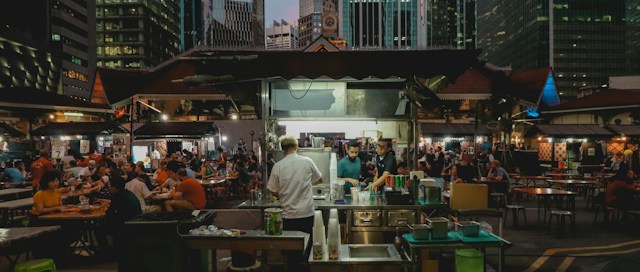

Quick answer: A zi char restaurant in Novena serves wok-fried, home-style Chinese dishes meant for sharing — think sambal kangkong, salted egg prawns, sweet and sour pork, claypot tofu, and whole steamed fish. These eateries emphasize big flavors, fast cooking, and affordable group dining, making them a staple for family dinners and casual gatherings in the neighborhood.
Novena sits in a part of Singapore that’s equal parts residential, medical, and commercial, which means its food scene caters to everyone from hospital staff grabbing a quick dinner to multigenerational families celebrating over a big table of dishes. Zi char restaurants fit right into this rhythm. They’re unpretentious, generous with portions, and built around the idea that good food doesn’t need white tablecloths to taste great.
If you’ve never eaten at a zi char restaurant before, the menu can feel overwhelming. There’s no single “main dish” — instead, you order several plates meant to be shared, each bringing a different texture, spice level, or cooking style to the table. This guide breaks down what you can expect to find on a typical zi char menu in Novena, how the dining experience works, and what makes it different from other Chinese dining options nearby.
What does “zi char” actually mean?
Zi char (煮炒) translates loosely to “cook and fry,” and that’s exactly what defines the cuisine. It’s a style of Chinese cooking — mostly Cantonese and Teochew in origin — built around quick, high-heat wok cooking. Dishes are typically prepared to order, which means the menu can stretch across dozens of items, from vegetables to seafood to claypot specialties.
Unlike a set-menu restaurant, zi char dining is communal by design. A group might order four or five dishes along with steamed rice, and everyone shares from the center of the table. This makes it a popular choice for family dinners, office gatherings, and casual celebrations in Novena, where many eateries are built to accommodate larger groups.
What dishes should you expect on a zi char menu?
While every stall or restaurant has its own specialties, there are certain dishes you’ll find almost everywhere.
Vegetable dishes
- Sambal kangkong – water spinach stir-fried in a spicy shrimp paste sauce
- Four heavenly kings – a mix of French beans, cashew nuts, salted vegetables, and minced meat
- Yam basket – a crispy fried yam shell filled with stir-fried vegetables and sometimes seafood
Seafood dishes
- Salted egg prawns – prawns coated in a rich, savory salted egg yolk batter
- Butter prawns – a sweeter, buttery take on the same concept
- Steamed whole fish – often prepared Hong Kong-style with soy sauce, ginger, and scallions
- Chili or black pepper crab – a heartier option for bigger groups
Meat dishes
- Sweet and sour pork – crispy pork tossed in a tangy sauce with pineapple and bell peppers
- Claypot dishes – such as claypot tofu or claypot liver, cooked and served in the same vessel for extra heat retention
- Sliced duck or roast meats – depending on the restaurant’s specialty
Noodles and rice
Most zi char restaurants also offer a noodle or rice dish to round out the meal, like fried hor fun, yang chow fried rice, or mee hoon kueh.
Because the cooking style depends on fast wok work, flavors tend to be bold — salty, savory, and sometimes spicy, with contrasting textures like crispy batter against tender meat or soft tofu against crunchy vegetables.
Why is zi char a good option for dining in Novena?
Novena’s food scene reflects its mixed identity as a medical hub and residential neighborhood. Zi char restaurants work well here for a few practical reasons:
They’re built for groups. Whether it’s a family visiting a relative at a nearby hospital or a group of colleagues after work, zi char dining naturally accommodates larger parties without requiring individual orders.
They offer variety in one sitting. Instead of committing to a single dish, diners can sample multiple flavors and cooking styles across one meal, which suits indecisive eaters or mixed dietary preferences within a group.
They’re generally wallet-friendly. Compared to fine dining Chinese restaurants, zi char pricing tends to be more accessible, especially when dishes are split among several people.
They operate on flexible hours. Many zi char eateries in Novena stay open into the evening, making them a reliable option for late dinners after work or hospital visits.
How does zi char dining differ from dim sum or Chinese fine dining?
This is a common point of confusion for newcomers to Singapore’s Chinese food scene, so it’s worth clarifying the distinctions.
Zi char vs. dim sum: Dim sum is traditionally served in smaller portions during breakfast or lunch, often centered around steamed or fried bite-sized dishes like dumplings and buns. Zi char, by contrast, is typically a dinner-oriented meal built around larger, shareable wok-fried dishes.
Zi char vs. Chinese fine dining: Fine dining restaurants usually emphasize set menus, refined presentation, and premium ingredients at a higher price point. Zi char leans into casual, high-volume cooking — the focus is on bold flavor and quick turnaround rather than polished plating.
Choose zi char if you’re dining with a group and want variety without a big bill. Choose dim sum if you’re after a lighter, mid-day meal. Choose fine dining if the occasion calls for a more formal setting.
What should first-time diners order at a zi char restaurant?
If you’re new to zi char dining in Novena, a good starting combination includes one vegetable dish, one seafood dish, one meat dish, and a rice or noodle dish to share among three to four people at hkstreetrestaurant.com.sg. This gives you a balanced introduction to the different cooking styles without overordering.
It’s also worth asking the restaurant staff for their recommended or signature dishes — many zi char eateries have a specialty item, whether it’s a particular sauce, a seasonal seafood catch, or a dish passed down through the kitchen’s history.
Finding your next favorite meal in Novena
Zi char captures something that’s hard to replicate in more formal dining settings: the feeling of a shared table, loud conversation, and plates passed back and forth until everyone’s full. It’s casual, communal, and deeply tied to how many Singaporean families eat together.
If you’re exploring Novena’s food scene, a zi char meal is worth building into your rotation, especially if you’re dining with a group. Start with a few of the dishes mentioned above, pay attention to what the kitchen does best, and don’t be afraid to ask for recommendations. The next time you’re deciding where to eat in the area, you’ll know exactly what to expect — and what to order.
Frequently asked questions
What does “zi char” mean?
Zi char translates to “cook and fry” in Chinese and refers to a style of casual, wok-based Chinese cooking that emphasizes fast preparation and bold, shareable dishes.
Is zi char food spicy?
Not all zi char dishes are spicy. Some, like sambal kangkong or chili crab, carry heat, but many dishes, such as steamed fish or sweet and sour pork, are mild and flavor-forward rather than spicy.
How many dishes should I order for a group?
A general rule is one dish per person, plus a rice or noodle dish to share. For example, a group of four might order four shared dishes along with steamed rice.
Is zi char suitable for solo diners?
Zi char is designed for sharing, so it’s best enjoyed with at least two or more people. Solo diners may find better value at hawker stalls offering single-portion versions of similar dishes.
What’s the difference between zi char and tze char?
Tze char is simply an alternative transliteration of the same Hokkien/Cantonese term. Both refer to the same style of cooking and dining.
