
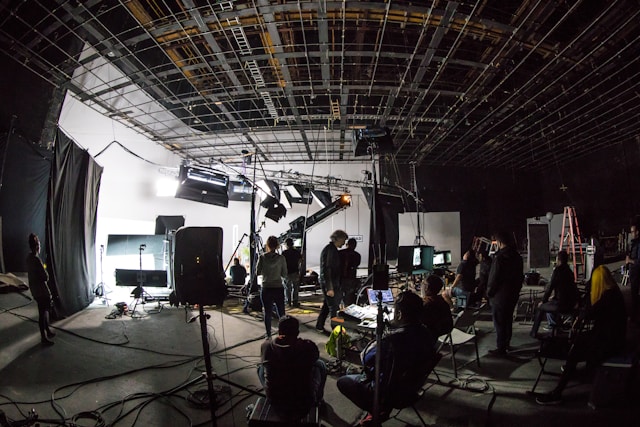

Great brands don’t just communicate—they connect. And right now, one of the most powerful ways to create that connection is through professional video. Not polished-to-the-point-of-sterile corporate content, but thoughtful, well-crafted videography that captures something real: your people, your process, your purpose.
This post explores why professional video has become a non-negotiable tool for brand storytelling, what separates effective brand videography from forgettable content, and how to approach video production in a way that actually reflects who you are as a brand. Whether you’re just starting to invest in video or looking to elevate what you already have, you’ll find practical insight here.
Why Authenticity Has Become the Most Valuable Brand Asset
Audiences have become remarkably good at detecting inauthenticity. Decades of advertising have trained people to tune out anything that feels scripted, staged, or designed purely to sell. The result? Brands that lead with honesty and humanity consistently outperform those that lead with polish.
This isn’t just an intuition—it’s reflected in how people consume content. Video, when done well, short-circuits skepticism in a way that static content rarely can. Facial expressions, tone of voice, real environments, unscripted moments—these cues signal to a viewer that what they’re watching is genuine. And genuine content builds trust faster than any tagline.
Authenticity in brand videography isn’t about abandoning quality. It’s about using professional craft to capture something true, rather than something manufactured. The goal is footage that feels honest precisely because it was made with care.
What Does “Authentic” Actually Mean in Brand Video?
The word “authentic” gets overused, so it’s worth being specific about what it means in a videography context.
Authentic brand video has a few defining qualities:
- It features real people, not actors playing a role. Customers, employees, and founders carry a credibility that casting can’t replicate.
- It shows real environments. Your actual workspace, your production line, your studio—these spaces tell a story that a generic backdrop cannot.
- It reflects your brand’s actual values, not aspirational ones. If your company is scrappy and fast-moving, the video should feel that way. If your brand is methodical and detail-oriented, the pacing and framing should reflect that.
- It doesn’t over-explain. Authentic video trusts the viewer to draw their own conclusions rather than spelling everything out.
Professional videographers understand how to capture all of this. The difference between DIY footage and professionally shot video isn’t just technical quality—it’s the ability to find and hold the moments that matter.
How Professional Videography Captures Authenticity Better Than Amateur Footage
There’s a common misconception that rough, handheld, low-production video is more authentic than high-quality footage. In reality, poor production quality is often just distracting. Shaky cameras, inconsistent audio, and poor lighting pull viewers out of the story you’re trying to tell.
Professional videographers bring several advantages to the table:
Storytelling Before the Camera Rolls
Experienced videographers understand narrative structure. Before a single frame is captured, they ask questions: What’s the emotional arc of this video? What do we want the viewer to feel at the end? What’s the single most important thing this brand needs to communicate?
This pre-production thinking is what separates a compelling brand film from a collection of nice-looking shots. A professional doesn’t just document—they shape a story.
Technical Craft in Service of Emotion
Camera angles, depth of field, natural lighting, color grading—these aren’t just aesthetic choices. They’re tools for directing emotion. A warm, shallow-focus shot of a founder talking about why they started their business feels intimate and human. A wide, clean shot of your team collaborating in an open workspace communicates scale and culture simultaneously.
When these choices are made intentionally by someone who understands their psychological effect, the result is video that resonates rather than just informs.
Sound Design and Music
Audio is often underestimated in brand video. Poor audio quality alone can make a video feel untrustworthy, no matter how good the visuals are. Professional videographers invest in high-quality audio capture and use music—often original or carefully licensed—to set emotional tone without overwhelming the message.
The right score can turn an already strong video into something genuinely moving. The wrong one can undermine everything else you’ve done well.
What Types of Brand Videos Build the Most Authentic Connection?
Not all video formats serve authenticity equally. Some are better suited to building genuine connection than others.
Behind-the-Scenes and Process Videos
Showing how your product is made, how your team operates, or what a day at your company looks like invites viewers into a space most brands keep hidden. This kind of transparency is disarming in the best way. It signals that you have nothing to hide and that you’re proud of how you work—not just what you produce.
Founder and Team Stories
People connect with people. A well-crafted founder story—one that’s honest about challenges and setbacks, not just milestones—gives a brand a face and a human story to attach to. The same applies to employee spotlights and team culture videos. These pieces communicate values far more effectively than any mission statement on a website.
Customer Testimonials Done Right
The key word here is “done right.” A stiff testimonial shot against a white backdrop, with a customer reading from an obvious script, does more harm than good. Authentic testimonials are conversational, captured in context, and focused on specific experiences rather than generic praise.
Ask customers to describe a problem they had before using your product or service. Ask them to tell the story of when they first noticed a difference. That specificity is what makes testimonials believable.
Documentary-Style Brand Films
For brands with a compelling origin story, a strong social mission, or a genuinely interesting process, a short documentary-style film can be a defining piece of content. These videos are longer-form (typically three to ten minutes), but when they’re well-made, they hold attention in a way that shorter content simply can’t.
How to Brief a Videographer for Authentic Results
Even the most talented videographer can’t do much without a strong brief. If you want authentic results, the brief you provide needs to go beyond logistics.
Share your brand’s actual voice. Don’t hand over a style guide and call it done. Talk to your videographer about how your team actually speaks, what you care about, and what you’re trying to move away from.
Identify the moments you want to capture, not just the messages. Rather than saying “we want to communicate that we’re innovative,” say “we want footage of our team in a brainstorming session where things are still being figured out.” Give your videographer permission to find the unplanned moments.
Be clear about what you’re not. Knowing what you’re trying to avoid—corporate stiffness, overly salesy framing, stock-footage aesthetics—helps a videographer shape their approach from the start.
Involve your team early. If employees are being filmed, they should know why, what the video is for, and what’s expected. People who feel comfortable in front of a camera give you far better footage than people who feel ambushed.
Consistency Across Platforms: Making Video Work Harder for Your Brand
One well-produced video shouldn’t live and die on a single platform. A thoughtful videography strategy accounts for how footage will be repurposed across different channels.
A brand film might run in full on your website. A 60-second cut serves LinkedIn or Instagram. Specific soundbites from a customer testimonial become short-form clips for TikTok or Reels. The raw footage from a behind-the-scenes shoot might yield a dozen pieces of content with minimal additional production.
This kind of content efficiency is another argument for professional production. When footage is shot well from the beginning, it’s far easier to adapt. Poorly lit or poorly composed footage doesn’t become usable just by cutting it down—it remains a liability in every format.
Measuring the Impact of Brand Video
Authenticity is real and valuable, but it also needs to be measurable. Key metrics for brand video include:
- Watch time and completion rates: High completion rates signal that your content is genuinely holding attention, not just generating passive views.
- Engagement rate: Comments, shares, and saves tell you whether the content is moving people enough to take action.
- Direct traffic and branded search: High-quality video increases brand recall, which often shows up as a lift in direct website visits and searches for your brand name.
- Conversion rate on landing pages: Videos embedded on product or service pages consistently improve conversion rates by reducing uncertainty and building trust before a purchase decision.
Track these numbers over time. Brand video is rarely a single-campaign play—its value compounds as more people encounter it, share it, and associate your brand with content worth watching.
Invest in Video That Actually Sounds Like You
The brands that win with video aren’t necessarily the ones with the biggest production budgets. They’re the ones that treat video as a genuine expression of who they are—and invest in the craft required to capture that honestly.
Professional videography gives you the tools to do just that. The right team will find the story you’re already living and bring it to the surface in a way your audience can feel. That’s not a small thing. That’s the difference between a brand that’s recognized and one that’s actually trusted.
If you’re ready to explore what professional video could look like for your brand, start by finding a videographer whose existing work reflects the values you want to communicate. The best collaborations are built on shared sensibility—not just a signed contract.
Frequently Asked Questions
What is authentic brand videography?
Authentic brand videography uses professional filming techniques to capture real people, real environments, and honest stories that reflect a brand’s actual values—rather than scripted or overly polished content designed purely to sell.
How much does professional brand video production typically cost?
Costs vary significantly depending on scope, location, and the level of post-production involved. A short testimonial or behind-the-scenes video might cost anywhere from $2,000 to $10,000. A full brand film with scripting, multiple shooting days, and professional editing can range from $15,000 to $50,000 or more.
How long should a brand video be?
The ideal length depends on the platform and format. For social media, 30–90 seconds tends to perform best. For website landing pages or YouTube, two to four minutes is often the sweet spot. Documentary-style brand films can run five to ten minutes and still hold attention when the storytelling is strong.
Can small businesses benefit from professional video?
Absolutely. Small businesses often benefit the most from professional video because it helps them compete with larger brands. A well-made founder story or customer testimonial can level the playing field more effectively than almost any other marketing investment at a comparable price point.
What’s the difference between professional video and user-generated content (UGC)?
UGC is filmed by customers or community members, often on personal devices, and carries its own form of authenticity through social proof. Professional video is crafted by trained videographers with better equipment and storytelling expertise. The most effective brand video strategies use both: professional content for hero pieces and UGC for community-driven credibility.
How often should a brand produce new video content?
There’s no universal answer, but consistency matters more than volume. A brand that publishes one high-quality video per month will see stronger long-term results than one that releases ten average videos in a quarter and then goes quiet. Establish a sustainable cadence before scaling up.
