
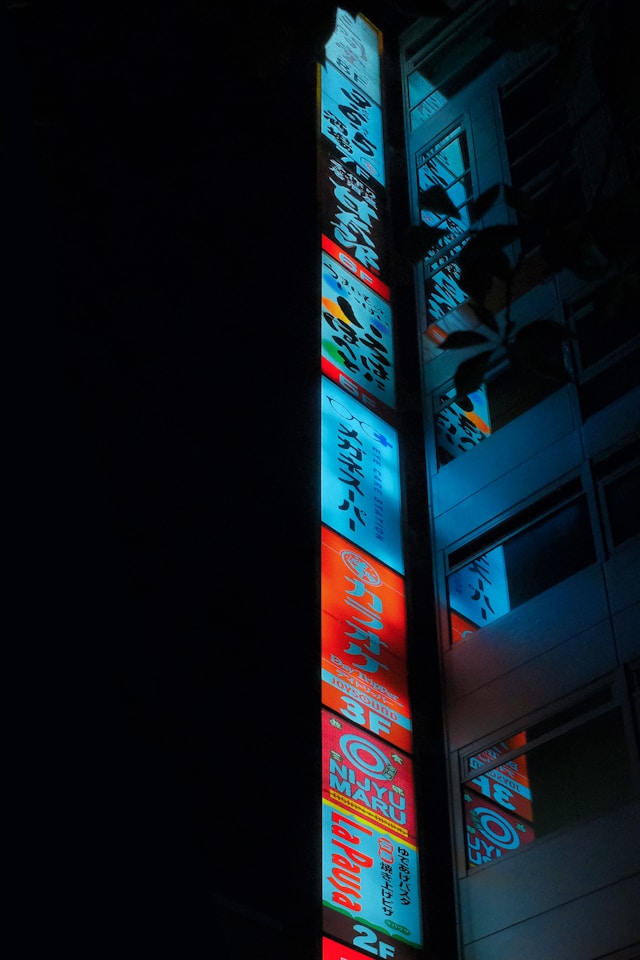

Walk down Orchard Road or gaze at the towering facades of Marina Bay, and you will immediately notice the vibrant glow of digital displays. These screens do much more than advertise products. They command attention, shape the urban landscape, and communicate complex messages in a fraction of a second. Behind those brilliant visuals lies a fascinating intersection of physics, engineering, and human psychology.
Understanding how these displays function can help business owners make better decisions about their visual marketing investments. The technology powering LED signage in Singapore has evolved rapidly over the last decade. Early pixelated scrolling text boards have been replaced by ultra-high-definition video walls capable of showing lifelike imagery. This leap in quality relies on microscopic technological advancements.
Learning the mechanics of light-emitting diodes, thermal management, and color theory reveals exactly why this medium is so effective. By knowing the science behind the screen, you can maximize your display’s lifespan, optimize its visual impact, and ensure it thrives in a challenging tropical climate.
How Light Emitting Diodes Actually Work
At the core of every digital billboard is the light-emitting diode, commonly known as an LED. Unlike traditional incandescent bulbs that rely on a heated filament to produce light, LEDs generate light through a process completely devoid of extreme heat or fragile glass enclosures.
The Magic of Semiconductors
An LED is fundamentally a tiny semiconductor microchip. Semiconductors are materials, typically made from silicon or gallium, that conduct electricity under certain conditions. Inside an LED, manufacturers bring together two different types of semiconductor materials to form a “p-n junction.”
One side of this junction has an abundance of electrons (the n-type), while the other side has an abundance of “holes” where electrons can fit (the p-type). When you apply an electrical current to the diode, the electrons are pushed toward the holes.
Electroluminescence Explained
As electrons drop into these microscopic holes, they release energy. This energy takes the form of a photon, which is the basic unit of light. Scientists call this phenomenon electroluminescence.
The distance the electron falls dictates the amount of energy released, which directly determines the color of the light. A smaller drop produces red light, while a larger drop produces blue light. Because this entire process happens at the atomic level, LEDs are incredibly efficient, converting electrical energy directly into light with minimal waste.
Color Creation in LED Displays
A single LED chip typically produces only one color. To display the rich, dynamic videos you see on modern LED signage in Singapore, engineers must combine different lights to trick the human eye.
The RGB Color Model
Most commercial screens use the RGB color model. Each “pixel” on a large outdoor screen actually consists of three distinct LED chips: one red, one green, and one blue. By varying the electrical current sent to each of these three chips, the display can adjust the brightness of each individual color.
When you step back from the screen, your eyes blend these adjacent colors together. If the red and green chips are fully illuminated while the blue is turned off, your brain perceives the color yellow. By mixing red, green, and blue light at varying intensities, a high-quality display can produce billions of distinct shades.
Achieving True White Light
Creating pure white light requires all three chips (red, green, and blue) to be illuminated at maximum capacity simultaneously. This demands a precise balance. If one chip degrades faster than the others, the white light will start to carry a noticeable tint. High-end display manufacturers invest heavily in calibrating these diodes to ensure colors remain accurate and consistent across the entire lifespan of the screen.
Surviving the Tropical Climate
Operating electronic equipment outdoors is always challenging. Operating complex microelectronics in a hot, humid, and rainy environment requires specialized engineering.
Heat Dissipation and Thermal Management
While LED signage Singapore run much cooler than traditional lighting, they still generate heat. In an outdoor display containing millions of diodes, this heat accumulates rapidly. If the internal temperature gets too high, the semiconductors become less efficient, colors shift, and the lifespan of the hardware drops significantly.
Engineers design modern outdoor displays with advanced thermal management systems. Aluminum cabinets act as massive heat sinks, drawing thermal energy away from the sensitive electronics. High-performance cooling fans and strategic ventilation patterns help maintain optimal operating temperatures, even when the tropical sun beats directly on the screen.
Weatherproofing and IP Ratings
Moisture is the enemy of any electrical circuit. To survive torrential downpours, outdoor LED signage in Singapore requires strict weatherproofing standards. The industry measures this protection using Ingress Protection (IP) ratings.
A standard outdoor display usually carries an IP65 rating. The “6” indicates the enclosure is completely dust-tight, preventing microscopic particles from interfering with the circuitry. The “5” signifies the screen can withstand low-pressure water jets from any direction. Manufacturers achieve this by coating the internal components in specialized resins and using heavy-duty rubber seals around all access panels.
The Psychology of Brightness and Contrast
Building a durable screen is only half the battle. The display must also capture human attention effectively. This requires a deep understanding of human vision and perception.
Nit Levels and Visibility
Display brightness is measured in nits. A standard indoor television might output around 300 to 500 nits. An outdoor digital billboard fighting against direct sunlight must be significantly brighter, often pushing between 5,000 and 8,000 nits.
However, running a screen at maximum brightness at night creates uncomfortable glare and annoys pedestrians. Smart LED systems utilize ambient light sensors. These sensors constantly monitor the surrounding environment and automatically adjust the screen’s brightness. This ensures the content is always visible during the day without becoming an eyesore after sunset.
Refresh Rates and Human Vision
Have you ever tried taking a photo of a digital screen, only to see strange black lines running across your image? This happens because the screen is actually flickering on and off, updating the image many times per second.
The human eye usually stops noticing this flicker at around 60 frames per second. High-quality commercial displays operate at much higher refresh rates, often exceeding 3,840 hertz. This hyper-fast refresh rate ensures motion appears completely fluid to the human eye and looks flawless when captured on smartphone cameras by your customers.
Energy Efficiency and Environmental Impact
As cities focus more on sustainability, the power consumption of large digital displays comes under scrutiny. Fortunately, the fundamental physics of electroluminescence makes LEDs highly efficient. They consume a fraction of the electricity required by older neon or fluorescent lighting systems.
Furthermore, software advancements allow business owners to schedule power states. A screen can automatically dim during low-traffic hours or power down completely when a mall closes. These smart power management systems reduce the environmental footprint of digital advertising and significantly lower operational costs for businesses.
Frequently Asked Questions About LED Signage
How long do commercial LED signs last?
Most high-quality commercial LED chips are rated for about 100,000 hours of continuous use. That translates to roughly 11 years of running 24 hours a day. However, power supplies and other internal components may need replacing before the diodes themselves fail.
Are LED screens safe for the eyes?
Yes, they are safe. While staring directly into a high-brightness outdoor screen from a few inches away would be uncomfortable, these displays are designed to be viewed from a distance. The automatic brightness adjustment features prevent the light output from becoming hazardous to drivers or pedestrians.
Do LED signs consume a lot of electricity?
They consume much less electricity than legacy lighting technologies. The exact consumption depends on the screen’s size, pixel pitch, and average brightness settings. Displays showing mostly dark colors or black backgrounds use less power than those showing bright white screens, because the individual diodes literally emit less light.
Illuminate Your Brand’s Future
The vibrant displays lighting up our city streets represent a perfect marriage of quantum physics and commercial engineering. From the precise atomic drops of electrons creating brilliant colors to the heavy-duty weatherproofing blocking out tropical storms, every component serves a specific purpose.
Understanding this science empowers you to ask the right questions when investing in digital infrastructure. Look at the IP ratings, ask about thermal management, and verify the refresh rates.
If you want to upgrade your visual marketing strategy with reliable, eye-catching technology, reach out to a certified display technician. A professional can evaluate your specific location, recommend the ideal pixel pitch, and help you design a screen that commands attention for years to come.
