
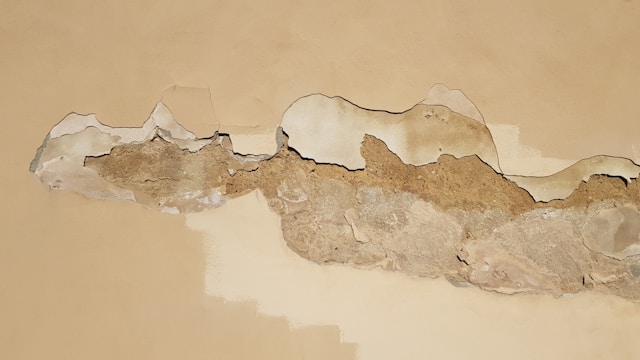

Your home should be a sanctuary. It is the place where you retreat to recharge, relax, and feel safe from the outside world. However, for millions of households, an uninvited guest threatens that sense of safety. Mold is more than just an unsightly nuisance that darkens your grout or stains your drywall. It is a biological contaminant that can actively degrade the quality of your life and health.
Many homeowners treat mold as a purely cosmetic issue or a sign of poor housekeeping, but the reality is far more complex. Mold spores are microscopic and ubiquitous, waiting for the right combination of moisture and organic material to colonize. Once established, a colony acts as a factory, pumping allergens, irritants, and sometimes toxins into the air you breathe.
Addressing a mold infestation is not merely a home improvement project; it is a critical step toward protecting your family’s well-being. While the visual improvement of a clean home is satisfying, the physical and physiological benefits of professional mold removal are profound. By understanding exactly how mold impacts the human body, you can appreciate why remediation is one of the most important investments you can make for your long-term health.
The Respiratory Connection: Clearing the Air
The most immediate and documented impact of mold is on the respiratory system. Mold reproduces by releasing tiny spores into the air. These spores are light enough to float on the gentlest air currents, making them incredibly easy to inhale. Once inside the respiratory tract, they can wreak havoc.
Alleviating Chronic Coughing and Wheezing
For individuals with healthy lungs, inhaling high concentrations of mold spores can cause temporary irritation, leading to coughing or a scratchy throat. However, for those with sensitive airways, the reaction is often immediate and severe. The body identifies the spore as a foreign invader and mounts an inflammatory response.
Professional mold removal services eliminates the source of these airborne particulates. Once the active colony is removed and the remaining air is scrubbed using HEPA filtration, the constant bombardment on your lungs ceases. Many people who suffer from a “mystery cough” that never seems to go away find that their symptoms vanish shortly after remediation.
Managing Asthma Triggers
For asthma sufferers, a moldy environment can be dangerous. Mold is a potent trigger for asthma attacks. The inflammation caused by spores causes airways to constrict, making breathing difficult. Living in a home with hidden mold keeps an asthmatic person in a state of constant, low-level reactivity, meaning their threshold for an attack is significantly lower.
By remediating the mold, you effectively remove a major environmental stressor. This can lead to a reduction in the frequency and severity of asthma attacks, potentially reducing the reliance on rescue inhalers and improving overall lung function.
Skin and Eye Irritation: Breaking the Allergy Cycle
While respiratory issues get the most attention, mold exposure often manifests externally. The same allergens that irritate your lungs can cause significant discomfort to your eyes and skin.
Soothing Persistent Dermatitis
Direct contact with mold, or even high levels of airborne spores, can lead to skin rashes, hives, and eczema flare-ups. This is often referred to as mold dermatitis. The skin becomes red, itchy, and inflamed as it reacts to the allergens. Lotions and creams may provide temporary relief, but if the air in your home is contaminated, the rash will likely return.
Mold removal services address the root cause of the irritation. By removing the biological irritant from the environment, the skin is given a chance to heal properly without being subjected to daily re-exposure.
Reducing Eye Strain and Redness
Mold spores are notorious for causing allergic conjunctivitis. This condition presents as watery, red, itchy, or burning eyes. It can feel like you have dust constantly trapped under your eyelid. This constant irritation can lead to eye strain, headaches, and a general feeling of fatigue. Remediation clears the air of these irritants, allowing your eyes to rest and returning clarity to your vision.
The Toxicity Factor: Understanding Mycotoxins
Not all molds are created equal. While common household molds like Cladosporium or Penicillium are primarily allergenic, other types, such as Stachybotrys chartarum (often called “black mold”), can produce mycotoxins.
Mycotoxins are toxic chemical products produced by fungi. Unlike spores, which are physical particles, mycotoxins can be absorbed through the skin, airways, and intestinal lining. The health risks associated with mycotoxin exposure are more severe than typical allergies.
Reducing Systemic Inflammation
Exposure to mycotoxins has been linked to systemic inflammation in the body. This is a state where the immune system is constantly activated, leading to fatigue, muscle aches, and joint pain. It mimics the feeling of fighting off a flu that never quite breaks. Professional remediation involves specialized containment procedures to ensure that these dangerous toxins are not spread during the cleaning process, effectively removing the chemical threat from your living space.
Preventing “Sick Building Syndrome”
When a home has a heavy fungal load, occupants often report a cluster of vague but debilitating symptoms: headaches, dizziness, nausea, and trouble concentrating. This is often categorized under Sick Building Syndrome (SBS). Removing the mold colony restores the ecological balance of the indoor environment, often resolving these chronic, non-specific health complaints.
Cognitive and Mental Health Benefits
The conversation around mold is shifting to include its impact on the brain and mental state. The link between environment and cognitive function is becoming increasingly clear.
Lifting the “Brain Fog”
Many people living in mold-infested environments report experiencing “brain fog”—a lack of mental clarity, forgetfulness, and difficulty focusing. While the exact mechanisms are still being studied, researchers believe this is linked to the inflammatory response caused by mycotoxins and chronic allergies. Inflammation can affect neural pathways, leading to slower cognitive processing.
After mold removal, residents often report a “lifting” sensation, characterized by sharper focus, better memory retention, and improved productivity.
Improving Sleep Quality
Sleep is the foundation of good health, but mold can be a thief in the night. Nasal congestion, coughing, and throat irritation caused by mold allergies can disrupt sleep cycles, preventing you from reaching deep, restorative REM sleep. Furthermore, the subconscious stress of knowing your home is “sick” can contribute to insomnia.
Cleaning the air in your home leads to clearer breathing passages at night. Better oxygen intake and a lack of physical irritation allow for uninterrupted sleep, which in turn boosts the immune system, mood, and energy levels during the day.
The Psychological Relief of a Safe Home
Beyond the physiological reactions, there is a significant mental health component to mold remediation.
Living with a mold problem is stressful. There is the constant worry about the structural integrity of the house, the smell, and the knowledge that the environment might be harming your family. This background anxiety elevates cortisol levels.
When you hire professionals to handle the situation, you are buying peace of mind. Knowing that the source of the moisture has been identified, the mold has been physically removed, and the air has been scrubbed clean lifts a psychological weight. Your home returns to being a place of safety rather than a source of worry.
Why Professional Remediation Matters
You might wonder if you can achieve these health benefits by scrubbing the mold yourself. In many cases, DIY attempts can actually worsen health outcomes.
When you attack a mold colony with standard cleaning supplies or by ripping out drywall without containment, the colony reacts defensively by releasing billions of spores into the air. Without negative air pressure machines and HEPA filtration—standard tools for professionals—these spores settle on carpets, furniture, and HVAC vents, spreading the contamination throughout the entire house.
Professional mold removal services offer health benefits that DIY methods cannot guarantee:
- Containment: They seal off the affected area so spores don’t spread to bedrooms or kitchens.
- Proper Disposal: Contaminated materials are bagged and removed safely.
- Root Cause Identification: They help identify the moisture source so the mold doesn’t return.
- Verification: Many professionals perform post-remediation air quality testing to prove the air is safe.
Protecting the Most Vulnerable
While everyone benefits from a mold-free home, certain groups see a drastic improvement in their quality of life.
- Infants and Children: Their lungs are still developing, making them more susceptible to permanent respiratory damage from environmental irritants. A mold-free home sets the stage for healthy lung development.
- The Elderly: As immune systems weaken with age, the body becomes less efficient at fighting off the inflammation caused by mold.
- Immunocompromised Individuals: For those undergoing chemotherapy, or living with autoimmune disorders, inhaling fungal spores can lead to serious lung infections, not just allergies. For these individuals, mold removal is a medical necessity.
Frequently Asked Questions about Mold and Health
How quickly will I feel better after mold remediation?
Recovery time varies depending on the severity of the infestation and individual sensitivity. Some people report immediate relief from respiratory symptoms within 24 hours of the work being completed. For issues related to systemic inflammation or mycotoxins, it may take a few weeks for the body to detoxify and inflammation to subside.
Can I just paint over the mold to stop the health effects?
No. Painting over mold is a cosmetic fix that does not kill the fungus or stop it from releasing mycotoxins. The mold will eventually eat through the paint, and it will continue to off-gas harmful substances into your room. Physical removal is the only way to stop the health risks.
Does homeowners insurance cover mold removal?
This depends heavily on the cause of the mold and your specific policy. Generally, if the mold is a result of a “covered peril” (like a sudden pipe burst), it may be covered. If it is due to long-term neglect or humidity, it often is not. However, considering the health costs associated with chronic illness, paying for remediation out-of-pocket is often financially wiser than ignoring it.
How do I know if mold is affecting my health?
If you notice that your symptoms (headaches, congestion, fatigue) improve when you leave your house for a few days—such as going on vacation or staying with a friend—and return when you come back home, there is a high probability that your indoor environment is the cause.
Investing in Your Wellness
We often spend thousands of dollars on gym memberships, organic food, and supplements in the pursuit of better health. Yet, we frequently overlook the quality of the air we breathe for twelve hours a day.
Mold removal services provide a reset button for your home’s ecosystem. By eliminating biological contaminants, you reduce the toxic load on your body, protect your respiratory system, and reclaim your peace of mind. If you suspect mold is lurking in your attic, basement, or behind your walls, do not wait for symptoms to worsen. Consult a professional remediation team and take the first step toward a healthier, happier life.
