
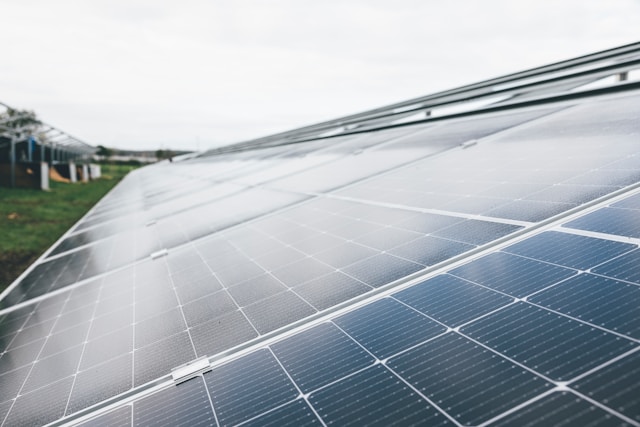

Switching to renewable energy is a major decision for any homeowner. As electricity prices continue to rise, generating your own power looks increasingly attractive. You might have seen advertisements for DIY solar kits online, promising a cheap and easy path to energy independence. These kits claim you can set up a functioning system over a single weekend.
Deciding how to install your system is just as important as choosing to go solar in the first place. Tackling a home improvement project yourself can save money upfront. Buying panels, inverters, and racking equipment directly from a supplier seems like a straightforward way to cut out the middleman.
However, bolting high-voltage equipment to your roof involves serious logistical and safety considerations. This post explores the reality of installing solar panels yourself versus hiring a professional solar panel contractor. By understanding the risks, benefits, and long-term implications of both approaches, you can make an informed choice that protects your home and your wallet.
The Appeal of DIY Solar Installation
Taking on a solar project yourself has a few distinct advantages. Homeowners usually consider the DIY route for two primary reasons.
Upfront Cost Savings
Labor is a significant portion of any home improvement budget. When you hire a professional solar company, you pay for their expertise, their crew’s time, and the overhead of running a business. By purchasing the components directly and doing the physical labor yourself, the initial price tag drops considerably. You only pay for the materials.
The Satisfaction of a Personal Project
Some people naturally enjoy working with their hands. Successfully wiring and mounting a power generation system provides a massive sense of accomplishment. If you have a strong background in electrical work and construction, a DIY solar setup allows you to oversee every single detail of the project from start to finish.
Why Hiring a Solar Panel Contractor Makes Sense
While the initial savings of a DIY project look great on paper, professional installers bring essential skills to the table. Generating electricity on your roof is a complex, high-stakes endeavor.
Navigating Complex Electrical Work
Solar panels generate direct current (DC) electricity, which must be converted to alternating current (AC) to power your household appliances. This requires installing an inverter and safely tying the system into your home’s main electrical panel. A licensed solar panel contractor understands the exact wire sizing, conduit routing, and grounding requirements needed to prevent fires or electrical shocks. Working with high voltage without proper training is incredibly dangerous.
Understanding Roof Integrity and Weight Limits
Your roof needs to support the physical weight of the solar array and withstand the lifting force of high winds. Professional installers know how to locate rafters, securely fasten the racking system, and properly seal every penetration to prevent water leaks. A poorly installed system can lead to severe water damage, rotting wood, and a compromised roof structure. Contractors also evaluate the age and condition of your roof before beginning work, advising you if a replacement is necessary first.
Permitting and Local Regulations
Building codes vary wildly depending on your city and state. Before you can legally connect a solar system to the local power grid, you need approval from your municipality and your utility company. Solar panel contractors handle this bureaucratic paperwork every day. They know exactly how to draw up the electrical schematics required by city planners. Attempting to submit these highly technical documents yourself often leads to rejected permits and massive delays.
Access to Better Equipment and Warranties
Top-tier solar manufacturers often restrict the sale of their best panels and inverters to certified installers. If you buy a DIY kit, you might be limited to older technology or lower-efficiency components. Furthermore, many equipment warranties are completely voided if the system is not installed by a licensed professional. A reputable contractor will also provide a workmanship warranty, guaranteeing their labor against leaks and malfunctions for a decade or more.
The Hidden Costs of Going It Alone
The money you save by skipping professional labor can quickly evaporate if things go wrong. DIY installations carry several hidden financial risks.
Time and Frustration
Designing a system, securing permits, sourcing materials, and performing the installation takes hundreds of hours. A professional crew can typically install a residential solar array in one or two days. An inexperienced homeowner might spend weeks or months trying to finish the same project, leaving the roof vulnerable and the system offline for extended periods.
Potential Property Damage
Dropping a heavy glass panel can shatter your expensive equipment. Stepping on the wrong part of your roof can crack shingles or damage underlying structures. If an electrical connection is wired improperly, you risk frying your expensive inverter or causing a severe house fire. When you hire a contractor, their insurance policy covers any accidental damage that occurs during the installation process.
Missing Out on Financial Incentives
Federal and state governments offer generous tax credits and rebates to encourage renewable energy adoption. Some utility companies also offer incentives for adding power to the grid. Navigating the requirements for these programs is tricky. Certain rebates mandate that the system be installed by an approved contractor. A professional will ensure your system meets all the necessary criteria so you can claim every available financial benefit.
How to Choose the Right Solar Panel Contractor
If you decide that hiring a professional is the smartest move, your next step is finding a reliable company. The solar industry is growing rapidly, which means the quality of contractors can vary.
Check Certifications and Licenses
Always look for installers certified by the North American Board of Certified Energy Practitioners (NABCEP). This certification is the gold standard in the solar industry, proving the installer has undergone rigorous training and testing. Additionally, verify that the contractor holds a valid electrician’s license and general liability insurance in your state.
Read Reviews and Request References
Look at online review platforms to see how the company treats its customers. Pay special attention to reviews that mention post-installation support. A great company will respond quickly if an inverter fails or a panel underperforms. Ask the contractor for a list of recent customers in your area and reach out to them to ask about their experience.
Compare Multiple Quotes
Never settle for the first estimate you receive. Contact at least three different solar panel contractors and ask for a detailed proposal. The quote should break down the cost of equipment, labor, and permitting. It should also include an estimate of your future energy production and the projected timeline for a return on your investment.
Frequently Asked Questions About Solar Installation
Do I need a permit to install solar panels myself?
Yes. Almost all municipalities require building and electrical permits before you can install a solar system. You will also need an interconnection agreement from your local utility company before turning the system on.
Will a contractor help me get solar tax credits?
A reputable solar panel contractor will provide you with all the necessary documentation and receipts required to claim the federal solar tax credit. They will also inform you about local state or utility rebates you qualify for, often filling out the application paperwork on your behalf.
How long does a professional solar installation take?
The physical installation of the panels usually takes one to three days. However, the entire process—including site assessment, system design, permitting, and final utility inspection—can take anywhere from a few weeks to a few months.
Making the Right Choice for Your Energy Future
Upgrading your home with solar power is an excellent way to reduce your carbon footprint and eliminate your monthly electricity bill. While a DIY project might appeal to the exceptionally handy homeowner, the risks simply outweigh the rewards for most people.
Hiring a professional solar panel contractor ensures your system is safe, efficient, and legally compliant. You gain access to premium equipment, robust warranties, and the peace of mind that comes with knowing your roof is protected. Start reaching out to highly-rated local installers today to request your first consultation. Taking the time to find the right partner will guarantee your home generates clean, reliable energy for decades to come.
