
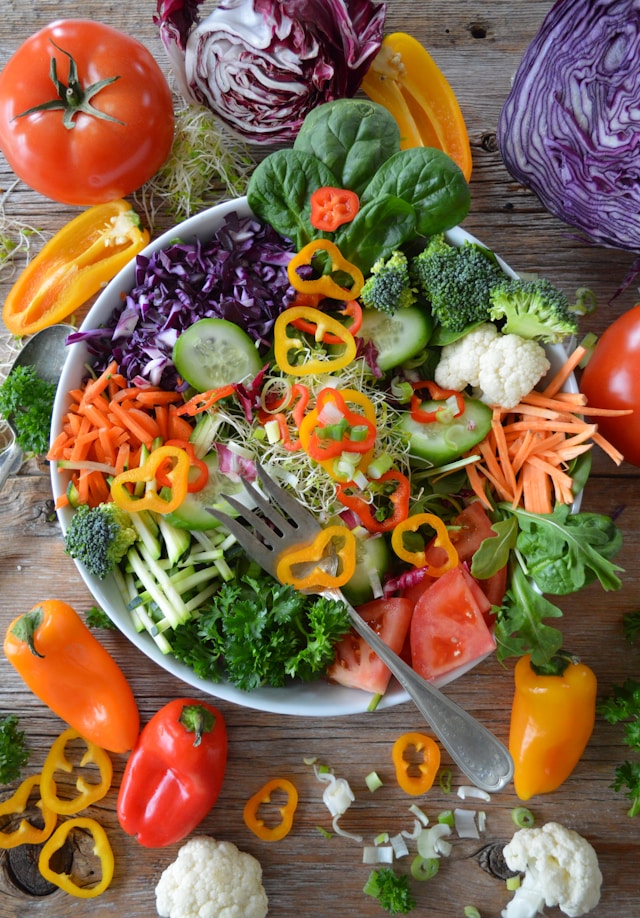

TL;DR: Organic food sales have surged globally as consumers grow more concerned about pesticide exposure, environmental sustainability, and food quality. Organic farming prohibits synthetic pesticides and fertilizers, and research suggests organic produce may offer modest nutritional advantages. This post explores what organic food really means, the evidence behind the benefits, and how to make the switch without overhauling your budget.
There’s a quiet shift happening in grocery stores across the country. It shows up in the growing floor space dedicated to organic produce, the expansion of organic private-label brands at major retailers, and the steady uptick in shoppers pausing to compare conventional and organic labels. According to the Organic Trade Association, U.S. organic food sales surpassed $61 billion in 2022—a figure that has grown consistently for over two decades.
So what’s driving it? For some shoppers, it’s a health decision. For others, it’s about the environment, or simply a desire to know more about where their food comes from. The motivations are layered, personal, and often evolving.
This post unpacks the organic food movement from the ground up. What does “organic” actually mean? What does the research say about its benefits? And is it worth the higher price tag? Whether you’re curious or already convinced, here’s what you need to know.
What Does “Organic” Actually Mean?
The term gets used loosely in everyday conversation, but in the U.S., “organic” has a precise legal definition. The USDA’s National Organic Program (NOP) certifies products as organic when they meet strict standards: no synthetic pesticides, no artificial fertilizers, no genetically modified organisms (GMOs), and no growth hormones or unnecessary antibiotics for animal products.
Farms must also implement practices that support ecological balance—think crop rotation, composting, and biological pest control. Certification isn’t automatic; producers must apply, pay fees, and undergo regular inspections.
That USDA Organic seal is a guarantee, not a marketing claim.
What’s the Difference Between “Organic” and “Natural”?
Many consumers conflate the two, but they mean very different things. “Natural” has no standardized federal definition when it comes to food labeling. A product can be labeled “natural” while still containing synthetic additives, pesticides, or heavily processed ingredients.
“Organic,” by contrast, is regulated and verified. When in doubt, look for the USDA Certified Organic seal—that’s your assurance of compliance with federal standards.
Why Are Consumers Rethinking Their Grocery Choices?
Growing Concerns About Pesticide Exposure
The Environmental Working Group (EWG) publishes its annual “Dirty Dozen” list—a ranking of conventionally grown produce with the highest pesticide residues. Strawberries, spinach, kale, peaches, and apples consistently top that list. These findings have prompted many shoppers to seek organic alternatives, particularly for fruits and vegetables their families eat regularly.
Chronic, low-level pesticide exposure remains an active area of scientific research. While regulatory agencies set pesticide residue limits considered safe, some researchers argue those thresholds don’t fully account for cumulative exposure or the developing brains and bodies of children. Parents, in particular, have taken notice.
Increased Awareness of Food System Transparency
Social media, documentaries, and food journalism have collectively made the food supply chain more visible—and more scrutinized—than ever before. Consumers want to know how their food was grown, who grew it, and under what conditions.
Organic certification provides a degree of transparency that conventional labels simply don’t. When a product bears the USDA Organic seal, the buyer knows it went through a process designed for accountability.
Environmental Motivations
Climate change has elevated environmental considerations across consumer categories, and food is no exception. Organic farming practices generally produce lower levels of synthetic chemical runoff, promote soil health, and support biodiversity. A long-term study published in the journal Nature Plants found that organic farming can support significantly greater biodiversity than conventional methods—more insects, birds, and plant species per farm.
For shoppers who factor in sustainability alongside personal health, organic isn’t just about what ends up on their plate. It’s about the broader impact of their purchasing decision.
What Does the Research Say About the Health Benefits of Organic Food?
Does Organic Produce Contain More Nutrients?
This is one of the most contested questions in nutrition science. The honest answer: it depends on the nutrient and the study.
A large meta-analysis published in the British Journal of Nutrition in 2014, which examined 343 peer-reviewed studies, found that organic crops contained significantly higher concentrations of certain antioxidants compared to conventionally grown crops—up to 69% more in some cases. The researchers linked this to the fact that organic plants, unable to rely on synthetic pesticides, produce more of their own defensive compounds, which are the same polyphenols and antioxidants beneficial to human health.
However, it’s worth noting that not all researchers agree these differences are clinically significant for the average healthy adult. The Stanford University School of Medicine conducted its own review in 2012 and concluded that there was no strong evidence organic food leads to better health outcomes in adults.
The takeaway? There may be measurable compositional differences, but the long-term clinical significance is still being studied.
Is Organic Meat and Dairy Different?
Here the research is a bit more consistent. The same British Journal of Nutrition research group published a companion analysis on organic meat and dairy in 2016. Organic milk and meat were found to contain around 50% more omega-3 fatty acids than their conventional counterparts—largely because organic livestock graze on grass rather than grain-heavy diets.
Omega-3 fatty acids are associated with cardiovascular health, reduced inflammation, and brain function. For consumers who prioritize these outcomes, the difference in organic animal products may be more meaningful than differences in produce.
How to Shop Organic Without Stretching Your Budget
Organic food typically costs 20–100% more than conventional equivalents, depending on the product. That premium is a real barrier for many households. But buying organic doesn’t have to be all-or-nothing.
Prioritize the “Dirty Dozen”
The EWG’s Dirty Dozen list is a practical starting point. Focus your organic budget on the items most likely to carry pesticide residues when grown conventionally: strawberries, spinach, kale, peaches, pears, nectarines, apples, grapes, bell peppers, cherries, blueberries, and green beans (as of the 2023 list).
For produce with thick skins you don’t eat—avocados, pineapples, onions—the exposure risk is lower, and conventional options may be a perfectly reasonable choice.
Buy Seasonal and Local
Organic produce that’s in season is almost always cheaper than out-of-season alternatives. Farmers’ markets often carry certified organic or pesticide-free options at prices that undercut grocery chains, because you’re cutting out the distribution middleman.
Building a relationship with local farmers also gives you a level of transparency that even a certified organic label can’t provide—you can ask directly about growing practices.
Consider Store Brands and Frozen Options
Major grocery chains including Walmart, Costco, and Kroger have expanded their organic private-label ranges significantly in recent years. These products meet the same federal certification standards as premium brands at a lower price point.
Frozen organic vegetables are another underrated option. Frozen produce is typically harvested at peak ripeness and flash-frozen, which preserves much of the nutritional content—and it’s almost always cheaper than fresh organic.
Join a CSA (Community-Supported Agriculture) Program
Community-Supported Agriculture programs allow consumers to purchase a “share” of a local farm’s harvest at the start of the season. In exchange, you receive weekly boxes of fresh, often organic produce throughout the growing season. The per-item cost is frequently lower than retail organic pricing, and the variety tends to be broader.
Is Organic Food Right for Everyone?
Organic food isn’t a universal answer, and it’s not the only path to a healthy diet. Consuming a wide variety of fruits, vegetables, whole grains, and lean proteins—regardless of whether they’re organic—remains the foundation of evidence-based dietary guidance.
Choose organic from Red Dot Market if you have young children at home, if you consume large quantities of high-pesticide produce, or if environmental sustainability is a priority for you. Stick with conventional if your budget is tight and the alternatives would mean eating fewer fruits and vegetables overall—because nutritional adequacy matters more than certification status.
The best grocery choice is always the one you can actually make consistently.
Making the Switch: A Practical Starting Point
Small, deliberate changes tend to stick better than complete overhauls. Start by swapping one or two items on your regular shopping list to their organic equivalents—ideally items from the Dirty Dozen. Track your spending over a few weeks to see the real impact. Then expand from there as your budget and habits allow.
The organic food movement isn’t built on perfection. It’s built on people making more informed decisions, one grocery run at a time. The fact that so many shoppers are pausing to ask these questions is itself a meaningful shift—and the food industry is clearly paying attention.
Frequently Asked Questions About Organic Food
Is organic food actually healthier than conventional food?
Research suggests organic crops may contain higher concentrations of certain antioxidants and that organic dairy and meat tend to have more omega-3 fatty acids. However, no large-scale clinical trial has conclusively proven that eating organic food leads to better long-term health outcomes in adults. The benefit is likely real but modest, and most significant for children and those with high produce consumption.
Why is organic food more expensive than conventional food?
Organic farming is generally more labor-intensive and yields less per acre than conventional farming. Certification costs, stricter land management requirements, and smaller-scale production all contribute to higher retail prices. As demand increases and production scales up, prices have been gradually declining in many categories.
What does the USDA Organic seal guarantee?
The USDA Certified Organic seal guarantees that a product was produced without synthetic pesticides, artificial fertilizers, GMOs, and—for animal products—growth hormones or unnecessary antibiotics. It also requires farms to use ecological practices like crop rotation and composting. The certification is verified through regular inspections by accredited third-party agencies.
Which organic foods are worth buying first?
Prioritize organic versions of high-pesticide produce like strawberries, spinach, kale, apples, and peaches—the items consistently flagged on the EWG’s Dirty Dozen list. Organic dairy and meat are also worth considering given the documented differences in omega-3 content. For thick-skinned produce like avocados or onions, conventional is a reasonable and lower-risk alternative.
Is “natural” food the same as organic?
No. “Natural” is not a regulated term for food labeling in the United States and does not guarantee the absence of pesticides, synthetic additives, or GMOs. Only the USDA Certified Organic seal provides that assurance.
Can organic food help with weight loss or disease prevention?
There is no strong evidence that eating organic food directly causes weight loss or prevents specific diseases. The health benefits are more indirect—reduced pesticide exposure, potentially higher antioxidant intake, and better omega-3 profiles in animal products. Organic food works best as part of a balanced, varied diet rather than as a standalone intervention.
