
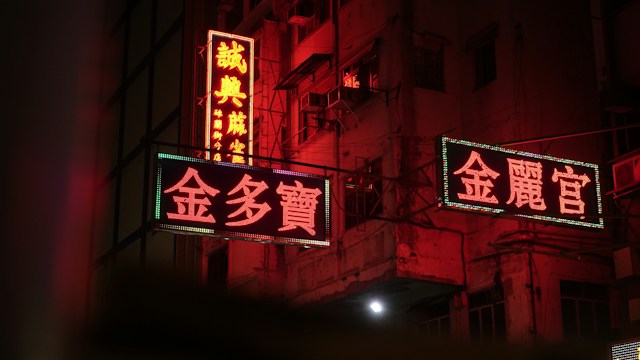

Quick answer: LED 3D signage helps businesses stand out by combining dimensional letters or logos with illuminated lighting for a bold, modern storefront look. To avoid an overdone appearance, businesses should match sign size to their storefront, choose one or two brand colors, select a font that reflects their brand personality, and work with an experienced fabricator who understands proportion and placement.
Storefronts today compete for attention in a way that didn’t exist a decade ago. Between social media check-ins, Google Maps searches, and foot traffic that moves fast, a business has only a few seconds to catch someone’s eye. LED 3D signage has become one of the most effective ways to do that. It adds depth, dimension, and illumination that flat signs simply can’t match.
But there’s a fine line between a sign that looks premium and one that looks like it’s trying too hard. Oversized lettering, clashing colors, or too many lighting effects can make a storefront feel cluttered rather than confident. The good news is that with the right approach, any business can use LED 3D signage to create a memorable, professional look that fits its brand.
This guide covers what LED 3D signage is, why it works so well for modern businesses, and how to design a sign that stands out for the right reasons.
What Is LED 3D Signage?
LED 3D signage refers to dimensional letters, logos, or graphics that are illuminated using LED lighting. Unlike flat, printed signs, 3D signage is built with depth, giving it a raised, sculptural appearance. The LEDs can be placed behind the letters for a soft halo glow (often called “halo-lit” or “reverse-lit” signage), embedded within the letters themselves for a bright, front-facing glow, or a combination of both for added contrast.
These signs are commonly made from materials like acrylic, aluminum, or stainless steel, which are then fitted with energy-efficient LED modules. Because LED lighting produces a bright, consistent light while using far less energy than traditional neon or incandescent bulbs, it’s become the go-to choice for illuminated signage across retail, hospitality, and corporate spaces.
Why Are So Many Businesses Switching to LED 3D Signage?
Business owners are increasingly choosing LED 3D signage over traditional flat signs for a few clear reasons.
It creates a stronger first impression
Dimensional, illuminated signage catches the eye from farther away and at more angles than flat signage. The combination of depth and light draws attention even in busy commercial areas, which matters when a business is competing with several storefronts on the same block.
It signals quality and investment
A well-designed 3D sign communicates that a business takes its brand seriously. Customers often associate polished signage with polished service, which can influence their decision to walk in versus keep walking.
It works day and night
Unlike printed banners or non-illuminated signs, LED 3D signage remains visible after dark. This extends a business’s visibility well beyond store hours, which is especially valuable for restaurants, bars, and retail stores that see evening foot traffic.
It’s energy-efficient and low-maintenance
LEDs typically last 50,000 hours or more and consume significantly less power than older lighting technologies. This means businesses get a bold, glowing sign without a spike in their energy bill or frequent bulb replacements.
How Can a Business Use LED 3D Signage Without It Looking Overdone?
This is the question most business owners actually care about. A sign that’s too big, too bright, or too busy can hurt a brand’s image instead of helping it. Here’s how to strike the right balance.
Match the sign size to the storefront
One of the most common signage mistakes is choosing a sign that overwhelms the building it’s mounted on. A good rule of thumb is that signage should occupy no more than 15-25% of the visible facade width. Businesses should also account for viewing distance. A sign meant to be read from a highway needs different proportions than one meant to be read from a sidewalk.
Stick to one or two brand colors
Bright, multi-colored LED signage might grab attention, but it often looks chaotic rather than premium. Choosing one primary color, or a maximum of two complementary colors, keeps the sign looking clean and intentional. This also reinforces brand recognition since customers begin to associate that specific color with the business.
Choose a font that matches the brand’s personality
A sleek, minimalist sans-serif font communicates something very different than a bold, retro script. Before choosing a font, businesses should ask what feeling they want customers to have when they see the sign. A law firm and a taco shop shouldn’t use the same type of lettering.
Avoid excessive lighting effects
Flashing, color-changing, or overly animated LED effects can make a sign feel more like a casino attraction than a professional storefront. Unless the brand is specifically going for a high-energy, entertainment-driven look, steady and warm or cool white lighting almost always looks more sophisticated.
Prioritize placement and mounting
Where a sign is placed matters just as much as the sign itself. Signage mounted too high, too low, or off-center can throw off the entire look of a storefront. Working with an experienced sign fabricator ensures the sign is proportioned and positioned correctly relative to windows, doors, and architectural features.
Keep the message simple
A sign with too much text or too many design elements is harder to read and less effective overall. Business owners should choose their name, logo, or a short tagline rather than trying to communicate everything on one sign.
Halo-Lit vs. Front-Lit: Which Style Is Right for a Business?
Choosing between halo-lit and front-lit signage often comes down to the look a business is going for and its surrounding environment.
Halo-lit signage, where the LED light shines outward from behind the letters to create a soft glow around the edges, works well for businesses that want a refined, upscale look. This style is popular among boutique retailers, law firms, and hotels because it feels understated yet modern.
Front-lit signage, where light shines directly through the face of the letters, produces a brighter, bolder look that’s easier to read from a distance. This makes it a strong choice for businesses located on busy streets, in shopping centers, or anywhere visibility from a distance matters more than subtlety.
Choose halo-lit signage if a business wants a sophisticated, ambient look that draws people in up close. Choose front-lit signage if maximum visibility and readability from far away is the priority.
How Much Does LED 3D Signage Typically Cost?
Pricing for LED 3D signage varies widely based on size, materials, lighting style, and installation complexity. Smaller, simpler signs with basic front lighting tend to be the most affordable option, while larger channel letter signs with halo lighting and premium materials like brushed metal cost more. Businesses should request quotes from local sign fabricators, since regional labor and material costs can also affect the final price.
Getting Signage Right the First Time
LED 3D signage gives businesses a real opportunity to stand out, but only when it’s designed with intention. The most effective signs aren’t necessarily the biggest or brightest. They’re the ones that feel like a natural extension of the brand, sized appropriately, lit thoughtfully, and placed with care.
Before committing to a design, businesses should take a step back and ask whether the sign reflects how they want to be perceived. A quick consultation with a professional sign fabricator can also help catch potential proportion or placement issues before they become expensive mistakes. Done right, LED 3D signage doesn’t just make a business more visible. It makes a lasting impression.
Frequently Asked Questions
What’s the difference between LED 3D signage and neon signage?
LED 3D signage uses dimensional letters or logos illuminated by LED modules, while neon signage uses glass tubes filled with gas that glow when electrified. LEDs are generally more energy-efficient, durable, and lower maintenance than neon, though neon offers a distinct retro aesthetic that some businesses prefer.
How long does LED 3D signage last?
Most LED modules used in 3D signage are rated for 50,000 hours or more of use, which typically translates to 10 or more years of nightly operation before the lights need replacing.
Can LED 3D signage be used indoors?
Yes. While LED 3D signage is commonly used for exterior storefronts, it also works well indoors for lobby displays, reception areas, and retail interiors where businesses want a branded focal point.
Is LED 3D signage more expensive than traditional signage?
LED 3D signage generally costs more upfront than flat, non-illuminated signage due to the materials and lighting components involved. However, its durability and low energy consumption often make it more cost-effective over time.
Who should businesses hire to design and install LED 3D signage?
Businesses should work with a licensed, experienced sign fabricator who can advise on local signage regulations, proper proportions, and installation requirements specific to their building.
