
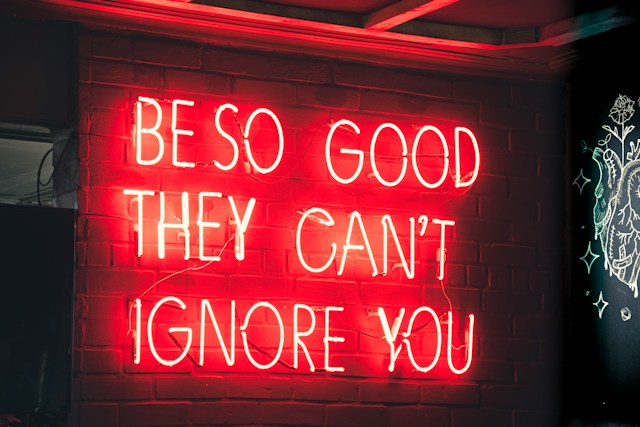

Quick answer: LED 3D signage combines raised, dimensional letterforms or logos with integrated LED lighting to create signs that stand out day and night. Unlike flat, printed signage, LED 3D signs use depth, shadow, and illumination to capture attention from farther distances and at more angles, making them a strong option for businesses that want to boost visibility, reinforce brand identity, and stand out on crowded streets.
Storefronts compete for attention every second of the day. A driver glancing at a strip mall, a pedestrian scrolling past shopfronts, a commuter catching a glimpse of a building from across the street — each of these moments is a fleeting opportunity for a business to register in someone’s mind. Flat, two-dimensional signage often blends into the background, especially in areas saturated with competing visuals. LED 3D signage changes that dynamic entirely.
By combining raised, dimensional lettering with illuminated LED elements, this signage style creates a sense of depth and presence that flat signs simply can’t replicate. It catches light differently throughout the day, casts subtle shadows that add texture, and glows with consistent brightness once the sun goes down. For businesses trying to build brand recognition or simply get noticed on a busy street, that combination of physical dimension and illumination can make a measurable difference.
This post breaks down what LED 3D signage actually is, why dimensional design matters for street-level visibility, the different styles available, and what business owners should consider before investing in one.
What Is LED 3D Signage?
LED 3D signage refers to signs built with raised, three-dimensional letters, logos, or shapes that incorporate LED lighting — either through internal illumination (face-lit), backlighting that creates a halo effect (halo-lit or reverse-lit), or a combination of both (front-and-back lit). Unlike a flat vinyl banner or a printed panel, these signs have physical depth, often ranging from half an inch to several inches, which allows them to cast shadows and catch ambient light in ways that flat signage cannot.
The “3D” in LED 3D signage speaks to the physical construction of the letters or shapes themselves, not a visual illusion. Materials commonly used include acrylic, aluminum, and stainless steel, chosen for durability and their ability to hold LED components securely while withstanding outdoor conditions.
Why Dimensional Design Matters for Street Presence
Does 3D signage actually attract more attention than flat signage?
Dimensional signage is inherently more attention-grabbing because it interacts with light and shadow in ways flat surfaces cannot. A raised letter catches sunlight differently depending on the time of day, creating natural highlights and shadows that add visual texture. At night, LED illumination transforms that same sign into a glowing focal point, often visible from a greater distance than a flat, backlit panel.
This dual-mode visibility, dimensional during the day and illuminated at night, means the sign performs well around the clock. A business that relies solely on daytime foot traffic might not think twice about after-hours visibility, but signage is often a brand’s most consistent form of advertising. It works even when the store is closed, reinforcing recognition for anyone passing by.
How does 3D signage support brand recognition?
Consistent, well-designed signage builds familiarity. When a logo or business name has a distinctive dimensional form, factoring in a signature font, color, or shape, it becomes easier for customers to recognize the business at a glance, even from a distance or in peripheral vision. Over time, this repeated visual exposure strengthens brand recall, which matters when customers are choosing between competitors on the same block.
Types of LED 3D Signage
Businesses have several options when it comes to dimensional LED signage, each suited to different budgets, aesthetics, and visibility needs.
Face-Lit Channel Letters
Face-lit letters are illuminated from within, so the entire front face of each letter glows. This is one of the most common styles for storefronts because it delivers strong, direct visibility and works well with a wide range of colors and fonts.
Halo-Lit (Reverse-Lit) Letters
Halo-lit signage places the LEDs behind the letters, so light spills outward and creates a glowing outline against the mounting surface. This style tends to feel more upscale and subtle, often used by boutiques, law firms, and hospitality businesses that want a sophisticated look rather than a bold, high-visibility glow.
Front-and-Back Lit Combination
Combining face-lit and halo-lit elements creates a layered lighting effect, with the letter face glowing brightly while a secondary halo glow surrounds it. This approach maximizes visibility from multiple angles and distances, making it a strong choice for businesses on wide streets or in high-traffic commercial corridors.
Open-Face (Exposed Bulb) Letters
For businesses aiming for a retro or vintage aesthetic, open-face letters expose individual LED bulbs along the letter’s face, similar to classic marquee signage. This style is popular with theaters, diners, and entertainment venues looking to evoke nostalgia while still benefiting from modern LED efficiency.
Choosing Colors and Materials for Maximum Impact
What colors work best for LED 3D signage?
Color choice should align with brand identity, but visibility also matters. Warm white and cool white tend to offer the broadest visibility across different lighting conditions, while colored LEDs, such as blue, red, or green, can strengthen brand association if those colors already appear in a business’s logo or marketing materials. High-contrast color combinations, like white letters against a dark storefront, tend to be more legible from a distance than low-contrast pairings.
Choose acrylic if budget is a primary concern
Acrylic is lightweight, cost-effective, and available in a range of finishes, making it a practical option for businesses balancing visual impact with a tighter budget. It performs well for face-lit letters, where the acrylic itself diffuses the LED light evenly.
Choose aluminum or stainless steel if durability and premium appearance matter more
Metal-faced letters, often paired with acrylic backing for the illuminated portion, offer a more premium look and greater resistance to weather and physical wear over time. Businesses in coastal or high-humidity climates, or those planning to keep signage in place for a decade or longer, often find the added durability worth the higher upfront cost.
Practical Considerations Before Installing LED 3D Signage
How much does LED 3D signage typically cost?
Cost varies significantly based on size, material, lighting style, and installation complexity. Smaller, simpler face-lit letter sets tend to be more affordable, while larger installations with combination lighting, custom shapes, or premium materials increase the investment. Because pricing depends heavily on these variables, it’s worth requesting quotes from local sign fabricators who can assess the specific location and design goals.
What permits or regulations should businesses check before installing 3D signage?
Many municipalities have specific rules governing sign size, brightness, placement, and even the hours during which illuminated signage can operate. Some historic districts or shopping centers also have design guidelines that restrict certain sign styles or colors. Checking with local zoning offices and, if applicable, a landlord or property management company before finalizing a design can prevent costly redesigns or installation delays later.
How long does LED 3D signage typically last?
LED components are known for long operational lifespans compared to traditional incandescent or neon lighting, and quality installations with weatherproof housing can perform reliably for many years with minimal maintenance. Actual longevity depends on the quality of components used, exposure to weather conditions, and how well the sign is maintained over time.
Making Dimensional Signage Work for Your Business
LED 3D signage isn’t just a decorative upgrade. It’s a functional investment in how a business is perceived and remembered. A well-designed dimensional sign works around the clock, drawing attention during the day through texture and shadow, then glowing with consistent visibility once night falls. For businesses competing in crowded commercial areas, that kind of round-the-clock presence can directly influence foot traffic and brand recall.
Before committing to a design with led3dsignage.sg, it’s worth walking or driving past the storefront at different times of day to see how light naturally interacts with the space, and to think honestly about what kind of impression the business wants to leave: bold and high-visibility, or subtle and upscale. From there, working with an experienced sign fabricator can help translate that vision into a dimensional design that fits both the brand and the budget.
Frequently Asked Questions
Is LED 3D signage more expensive than traditional flat signage?
Generally, yes. The added materials, dimensional construction, and LED components involved in 3D signage typically cost more upfront than flat, printed, or vinyl signage. However, the extended lifespan of LED lighting and the durability of materials like aluminum can offset some of that cost over time.
Can LED 3D signage be used indoors as well as outdoors?
Yes. While most LED 3D signage is designed for exterior storefronts, the same dimensional and illuminated design principles apply to interior signage, such as reception area logos or lobby displays, though outdoor units require additional weatherproofing that indoor signs don’t need.
How long does it take to design and install LED 3D signage?
Timelines vary based on design complexity, permitting requirements, and fabrication schedules, but most projects range from a few weeks to a couple of months from initial design approval to final installation.
What businesses benefit most from LED 3D signage?
Any storefront-based business looking to improve visibility can benefit, but it’s especially valuable for businesses in high-traffic commercial corridors, retail centers, and entertainment districts where competition for visual attention is highest.
Are there alternatives to LED 3D signage for businesses on a tight budget?
Yes. Options like illuminated flat panel signs, window decals with backlighting, or non-illuminated dimensional letters can offer some of the visual benefits at a lower cost, though they typically won’t match the round-the-clock visibility of full LED 3D signage.
