
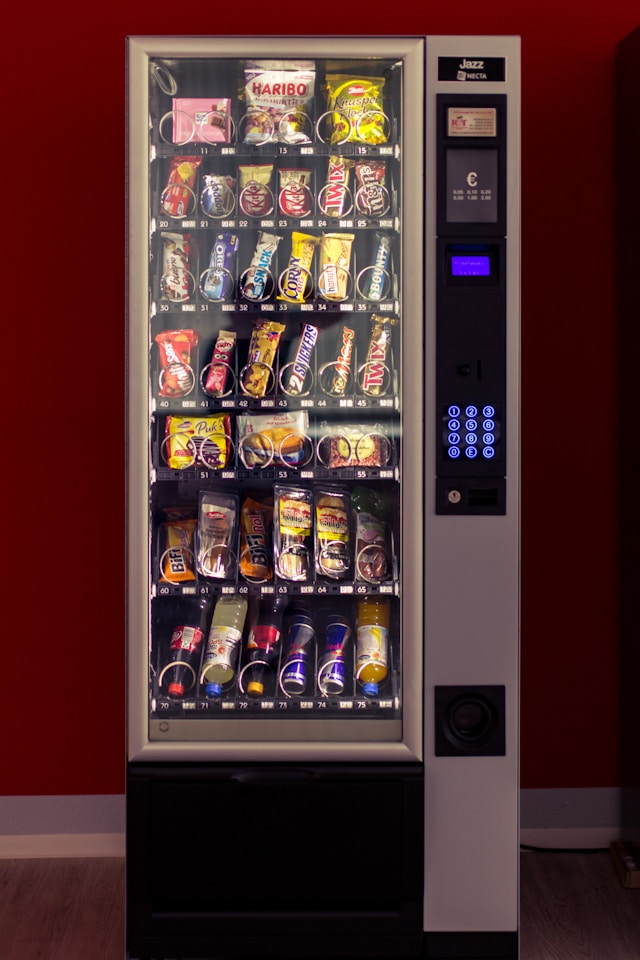

Providing food and beverages on-site is a proven way to keep your staff energized and your visitors satisfied. A well-stocked breakroom prevents the mid-afternoon energy slump and gives people a convenient way to grab a snack without leaving the building.
Selecting the equipment and products is only one part of the equation. The company you partner with to provide and maintain those machines plays a massive role in how successful your snack program will be. A poor partnership can lead to empty shelves, broken card readers, and frustrated employees.
Finding the right vendor requires careful evaluation of their equipment, product variety, service agreements, and reputation. You want a provider who acts as a true partner, handling the logistics quietly in the background so you can focus on running your business.
This guide covers everything you need to know to evaluate potential vendors. You will learn how to assess your internal needs, understand contract structures, and ask the right questions before signing any agreements.
Assess Your Business Needs
Before you start contacting suppliers, you need a clear understanding of what your workplace actually requires. Different facilities have vastly different demands based on foot traffic, employee demographics, and working hours.
Employee and Customer Preferences
Start by surveying your team. Find out what kinds of snacks and drinks they actually want to buy. A warehouse with a third-shift crew might prioritize high-protein meals, coffee, and energy drinks. A corporate office might prefer sparkling water, organic protein bars, and fresh fruit options. Gathering this data early helps you eliminate suppliers who only carry traditional junk food if your team is asking for healthier alternatives.
Space and Location Requirements
Take physical measurements of the areas where you plan to install the equipment. You must account for the width, depth, and height of the machines, plus enough clearance for the doors to open and for maintenance workers to access the back. Check the availability of electrical outlets and ensure the circuits can handle the continuous load of refrigerated units. If you plan to place a machine in a public-facing area, you might also want to consider the aesthetic design of the equipment so it matches your interior decor.
Evaluate the Vending Equipment
The physical machines provided by your supplier represent your company to anyone who uses them. Outdated, malfunctioning equipment creates a negative experience.
Modern Payment Options
Fumbling for loose change is incredibly frustrating. Your vending machine supplier must provide machines equipped with modern card readers. These systems should accept all major credit and debit cards, as well as mobile payment solutions like Apple Pay and Google Wallet. Touchless payment is highly preferred in modern workplaces to reduce the spread of germs and speed up the transaction process.
Energy Efficiency
Refrigerated machines run constantly. If the supplier provides older, inefficient models, your company will end up paying for it through higher monthly utility bills. Ask potential vendors about the Energy Star ratings of their fleet. Look for machines with LED lighting and intelligent cooling systems that enter a low-power mode during weekends or after business hours.
Review Product Selection and Flexibility
A machine is only as good as the products inside it. The best suppliers offer a massive catalog of items and allow you to rotate the inventory regularly.
Healthy Snack Alternatives
Workplace wellness is a major priority for modern human resource departments. Providing access to nutritious food helps keep employees focused and healthy. Ask potential vendors for a complete list of their healthy options. This should include trail mixes, baked chips, zero-sugar beverages, and vegan alternatives. Some advanced machines even offer refrigerated compartments for fresh salads, yogurts, and sandwiches.
Customization Options
You should never be locked into a static menu. Tastes change, and seasonal shifts affect what people want to eat. A great supplier will track sales data from your specific machines and proactively suggest replacing slow-moving items with popular alternatives. Make sure your contract includes the ability to request new products or swap out inventory without facing financial penalties.
Examine Service and Maintenance Policies
Even the most advanced equipment will occasionally experience a mechanical failure. Card readers disconnect from the network, cooling units freeze over, and snack coils get jammed. Your supplier’s response to these issues defines the quality of your partnership.
Restocking Schedules
An empty machine is completely useless. Discuss how the supplier determines their restocking schedule. Many modern machines feature remote inventory monitoring, sending an automatic alert to the vendor when stock drops below a certain threshold. This technology guarantees the machine is refilled exactly when needed, rather than relying on a rigid, inefficient weekly schedule.
Technical Support and Repairs
Ask for concrete details about their repair policies. You need to know their average response time for service calls. If a machine breaks down on a Friday afternoon, will it sit broken until Monday morning? Look for suppliers that offer 24/7 technical support and guarantee a technician will arrive within a specific timeframe, such as 12 to 24 hours.
Understand the Financial Agreement
Vending machine contracts vary wildly depending on the size of your location and the projected sales volume. You need to understand exactly how the money flows before you agree to install a machine.
Revenue Sharing vs. Fixed Fees
For locations with high foot traffic, suppliers often offer a revenue-sharing model. In this setup, the supplier places the machine for free, handles all restocking, and pays your company a percentage of the total sales. For smaller offices, the supplier might simply place the machine for free and keep all the profits to cover their operational costs. Some companies also choose to subsidize the snacks. In a subsidized model, the employer pays a monthly invoice to the supplier so the employees can purchase items at a heavy discount or get them for free.
Hidden Costs to Watch Out For
Always read the fine print regarding delivery, installation, and removal. Some less reputable companies will advertise free placement but charge massive fees if you ask them to relocate the machine to a different floor. Clarify who is responsible for vandalism or theft. Usually, the supplier retains ownership of the machine and carries insurance for property damage, but you need this explicitly stated in your contract.
Check References and Reputation
Sales representatives will always promise flawless service. The only way to verify their claims is by speaking to their current clients.
Online Reviews
Check the Better Business Bureau, Google My Business, and local chamber of commerce directories to see what other facilities say about the vendor. Pay close attention to complaints about expired food, broken machines, or unresponsiveness. A pattern of ignored service requests is a massive red flag.
Industry Experience
Ask the vendor how long they have been operating in your specific region. Local suppliers often provide much faster service than massive national chains that route all their support calls through a distant call center. Request references from businesses similar to yours in size and industry. Call those references and ask them directly if the vendor delivers on their promises.
Vending Machine Supplier FAQs
Do I need to buy the vending machine?
In most cases, no. Suppliers operate on a full-service model where they provide the equipment, handle the maintenance, and restock the products at zero upfront cost to you. They make their money from the sale of the snacks and beverages.
Who is responsible for restocking the products?
The supplier handles all inventory management. Their route drivers will visit your location on a regular schedule or rely on remote monitoring software to know exactly when your machines need fresh products.
How much electricity does a vending machine use?
Energy consumption depends heavily on the model and whether it requires refrigeration. A modern, Energy Star-certified refrigerated beverage machine uses approximately 7 to 10 kWh per day. You can expect it to add a small but noticeable amount to your monthly utility bill, which is why negotiating a small commission on sales can help offset the electricity cost.
Can I request specific products for my machine?
Yes. A quality vendor will work with you to curate a menu that fits your team’s preferences. They should allow you to request dietary-specific items, popular local brands, and seasonal favorites.
Make the Right Choice for Your Team
Selecting a supplier is a long-term commitment that directly impacts the daily lives of your employees and customers. Taking the time to evaluate their equipment, demand modern payment options, and carefully review the service contract protects you from headaches down the road.
Start by outlining your requirements and polling your staff on their favorite snacks. Then, reach out to three or four local vendors to compare their offerings. Ask tough questions about their repair times and demand clear, transparent pricing. By prioritizing reliability and product flexibility, you will find a partner that keeps your breakroom fully stocked and your workforce satisfied.
