
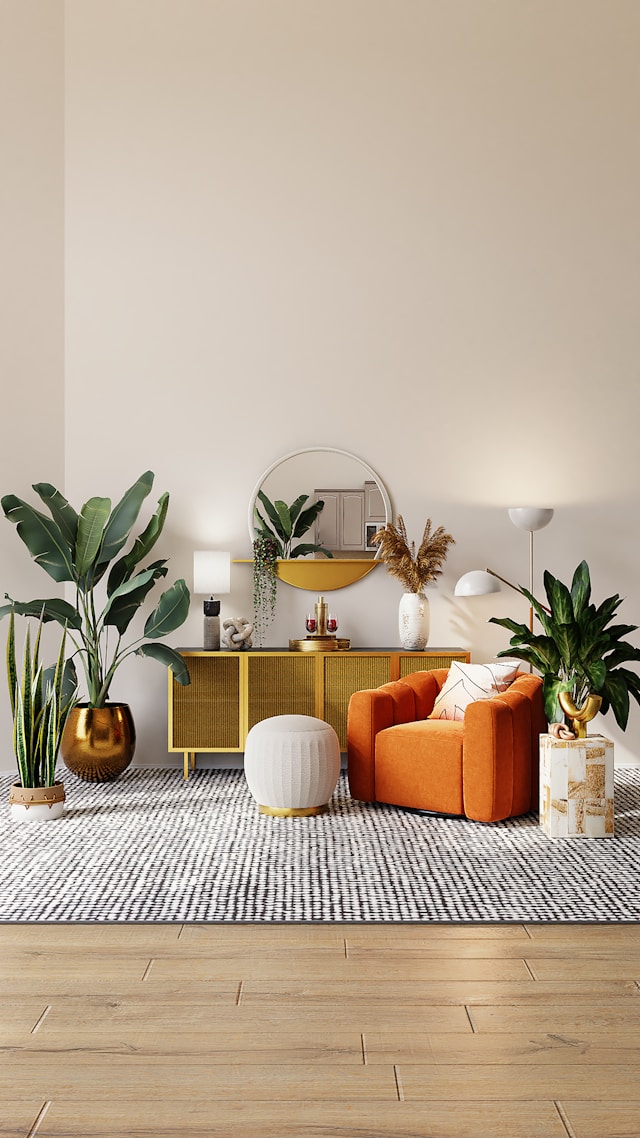

Quick answer: Functional HDB interior design prioritizes smart storage, flexible layouts, and durable materials over fleeting aesthetic trends. For most Singaporean homeowners working with compact flat sizes and long-term budgets, function-first design delivers better daily living, higher resale appeal, and fewer costly renovations down the line.
Scroll through any Singapore home renovation feed and you’ll spot the same patterns repeating themselves—fluted panels everywhere, arched doorways, muted “Japandi” palettes, and curved sofas that look stunning in photos. These trends are gorgeous. But here’s the question few people ask before signing a renovation contract: will this still work for me in five years?
For HDB flat owners, the answer matters more than it does almost anywhere else. Space is tight. Budgets are real. And renovations aren’t something you redo every couple of years on a whim. That’s why a quiet shift is happening across Singapore’s interior design scene—homeowners are choosing function over flash, and they’re far happier for it.
This post breaks down why functional HDB interior design is winning, what it actually looks like in practice, and how you can design a home that works as beautifully as it looks. Whether you’re renovating a new BTO or refreshing a resale flat, these principles will help you spend smarter and live better.
What does functional HDB interior design actually mean?
Functional HDB interior design starts with how you live, not how a space photographs. It asks practical questions first: Where will the kids do homework? How much storage do we genuinely need? Can this layout handle a growing family or aging parents?
Functional design isn’t the enemy of beauty. A well-designed functional home can look every bit as polished as a trend-led one. The difference lies in priority. Trendy design leads with aesthetics and hopes function follows. Functional design locks in usability first, then layers style on top.
In an HDB context, this distinction carries extra weight. A 4-room flat averages around 90 square meters. Every wasted corner, awkward walkway, or impractical feature wall eats into space you can’t afford to lose.
Why are Singaporean homeowners shifting away from trends?
Several practical forces are pushing HDB owners toward function-first design.
Renovation costs keep climbing
Renovating an HDB flat is a significant investment. A typical 4-room BTO renovation in Singapore can range from S$40,000 to S$70,000 or more, depending on scope and finishes. When you’re spending that kind of money, designing around a trend that fades in three years feels like a poor return.
Functional design protects that investment. Built-in storage, quality joinery, and timeless finishes hold their value and usefulness far longer than a statement wall in this year’s “it” color.
HDB flats demand maximum efficiency
Unlike sprawling landed homes, HDB flats reward clever use of every square foot. Trendy features often steal space without giving much back. An oversized arch or a decorative platform might look striking, yet it can block flow, reduce storage, or make a room feel smaller.
Function-first homeowners ask a sharper question: does this feature earn its place? If a design choice doesn’t add comfort, storage, or daily ease, it gets cut.
Resale value rewards practicality
Singapore’s resale flat market is competitive, and buyers are practical. They want move-in-ready homes with smart storage and sensible layouts—not someone else’s bold design gamble. Neutral, functional interiors appeal to a wider pool of buyers, which can make your flat easier to sell later.
Trend fatigue is real
Trends move fast, and what feels fresh today can look dated tomorrow. Many homeowners who chased Pinterest-perfect interiors a few years ago are now living with features they’ve grown tired of. That regret is steering the next wave of renovators toward choices they won’t second-guess.
What are the core principles of functional HDB design?
Functional design follows a handful of reliable principles. Apply these and your flat will work harder for you every single day.
Smart storage in every corner
Storage is the backbone of a functional HDB home. The goal is to hide clutter while keeping daily essentials within reach.
- Full-height cabinetry maximizes vertical space and stores far more than standard cabinets.
- Built-in bed frames with drawers turn dead space under the mattress into useful storage.
- Bench seating with hidden compartments doubles as seating and storage in dining or entryway areas.
- Overhead kitchen cabinets push storage upward where floor space is scarce.
Flexible, multi-use spaces
Compact flats benefit enormously from rooms that serve more than one purpose. A study nook can fold into a guest room. A dining table can double as a work desk. A living room with modular furniture can shift to suit different needs throughout the day.
Designing for flexibility means your home adapts as your life changes—through new jobs, growing kids, or aging parents moving in.
Durable, low-maintenance materials
Trendy materials sometimes prioritize looks over longevity. Functional design favors finishes that survive real life: scratch-resistant laminates, quartz countertops, and porcelain tiles that handle humidity, spills, and heavy foot traffic without constant upkeep.
In Singapore’s tropical climate, materials that resist moisture and mold aren’t just practical—they’re essential for a home that lasts.
Layouts that follow daily routines
Good functional design maps your flat to how you actually move through your day. The kitchen sits close to the dining area. Power points land where you charge devices. Walkways stay clear so no one squeezes past furniture during the morning rush.
These choices rarely make it into glossy magazine spreads. Yet they’re exactly what make a home feel effortless to live in.
Can a functional home still look beautiful?
Absolutely—and this is where many homeowners get it wrong. They assume choosing function means sacrificing style. It doesn’t.
The most successful HDB homes blend both. They use timeless palettes, quality materials, and thoughtful lighting to create spaces that feel warm and considered. Beauty comes from cohesion and craftsmanship, not from chasing whatever feature is trending this season.
Consider a functional kitchen with clean handleless cabinets, a durable quartz countertop, and warm under-cabinet lighting. It looks elegant, photographs well, and—crucially—works brilliantly for cooking every day. That’s the sweet spot: design that serves you and pleases the eye.
Choose timeless over trendy if you want a home that still feels right in a decade. Choose trend-led design only if you’re comfortable refreshing it often and have the budget to do so.
How do you balance trends with function in an HDB flat?
You don’t have to reject trends entirely. The trick is applying them where they’re cheap and easy to change.
- Commit to trends in small, swappable items: cushions, rugs, art, and lighting fixtures let you stay current without major cost.
- Stay neutral on permanent fixtures: flooring, cabinetry, and built-ins should be timeless because replacing them is expensive and disruptive.
- Test before you commit: if you love an arch or a bold color, try it on a single accent wall rather than the whole flat.
This layered approach gives you the best of both worlds—a functional foundation that lasts, topped with personality you can update whenever the mood strikes.
Practical next steps for your HDB renovation
Start by listing how your household actually lives before browsing inspiration photos. Map your daily routines, storage needs, and future plans. Bring that list to your interior designer and treat it as your design brief.
Prioritize spending on the elements you use most—storage, kitchen, and built-ins—and save on decorative touches you can swap later. Ask your designer hard questions about every feature: what does it cost, how long will it last, and what does it add to daily life?
A home built around function won’t just survive the next trend cycle. It’ll keep working for you long after today’s favorites have faded.
Frequently asked questions
Is functional interior design more expensive than trendy design?
Not necessarily. Functional design often costs less over time because it avoids frequent updates and focuses spending on durable, high-value elements. Trendy design can cost more long-term if you renovate again once trends fade.
What is the best layout for a small HDB flat?
The best layout follows your daily routine and maximizes flow and storage. Open-plan living and dining areas, full-height cabinetry, and multi-use rooms work well for compact flats. Avoid bulky decorative features that consume space without adding function.
Does functional design hurt resale value?
No—it usually helps. Neutral, practical, well-maintained interiors appeal to a broader range of buyers in Singapore’s resale market, which can make your flat easier and faster to sell.
How do I make a functional home still feel stylish?
Use timeless color palettes, quality materials, and good lighting. Add personality through easily changeable items like cushions, rugs, and art. Cohesion and craftsmanship create beauty without relying on short-lived trends.
Which trends are safe to include in an HDB renovation?
Apply trends to inexpensive, swappable items rather than permanent fixtures. Trendy lighting, textiles, and decor let you stay current, while keeping flooring, cabinetry, and built-ins neutral protects your long-term investment.
