
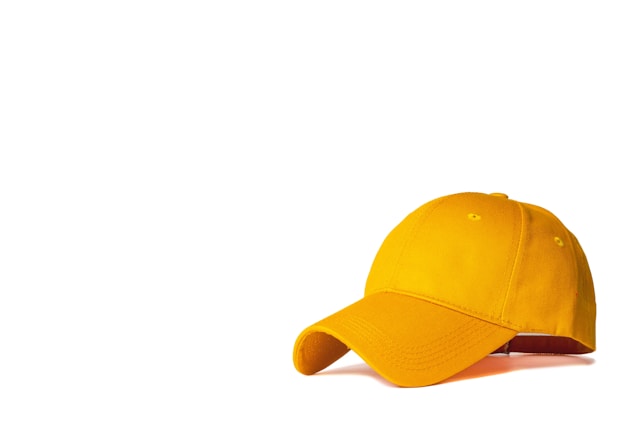

TL;DR: Custom printed caps are one of the most effective branded merchandise items at events—offering high visibility, versatility, and lasting impressions. The best cap printing strategies combine the right technique (embroidery, screen printing, or DTF) with thoughtful design choices like color contrast, placement, and typography to create headwear people actually want to wear.
Every event is a competition for attention. Banners fade into the background. Flyers get tossed. But a well-designed cap? That travels home with the person wearing it, gets worn on a Sunday morning run, and keeps your brand visible long after the event is over.
Custom caps have quietly become one of the most powerful tools in event marketing. They work across industries—from corporate trade shows and charity fundraisers to music festivals, sports tournaments, and product launches. The challenge isn’t deciding whether to use them. The challenge is designing one worth keeping.
This guide breaks down the most creative and effective cap printing ideas for events, the best techniques for different budgets and styles, and the design principles that separate forgettable freebies from caps people genuinely reach for.
Why Custom Caps Are One of the Best Event Merchandise Items
Before diving into design ideas, it helps to understand why caps outperform most other merchandise formats at events.
Caps are inherently visible. Unlike a branded tote bag that sits on the floor or a pen that lives in a pocket, a cap sits on someone’s head—front and center—at eye level. Every person nearby becomes a passive audience member for your brand.
They’re also practical. People wear caps to block the sun, manage wind, or simply pull together an outfit. When your merchandise solves a problem, people keep it. According to the Advertising Specialty Institute (ASI), promotional headwear is among the top five most retained promotional products, with a significant portion of recipients keeping caps for over a year.
Finally, caps communicate identity. The brand on a cap signals something about the wearer—a team they support, a brand they trust, a community they belong to. That social signal is marketing gold.
What Are the Best Cap Printing Techniques for Events?
Choosing the right printing technique shapes everything—the look, the feel, the durability, and the cost. Here’s a breakdown of the main options.
Embroidery: The Premium Standard
Embroidery involves stitching your design directly into the cap fabric using thread. The result is a raised, textured finish that looks refined and professional. Embroidery is particularly popular on structured caps like snapbacks and baseball-style hats.
The main advantage is longevity. Embroidered caps hold up through repeated washing and heavy wear without fading or cracking. The tradeoff is complexity—embroidery doesn’t translate well to gradient-heavy or highly detailed artwork. It works best with bold, simple logos and clean typography.
Best for: Corporate events, sports teams, hospitality brands, and premium merchandise ranges.
Screen Printing: High Volume, High Impact
Screen printing applies ink through a mesh stencil, layer by layer, onto the surface of the cap. It’s cost-effective for large quantities and delivers vivid, flat color that pops on camera.
Screen printing works well on unstructured caps and beanies where a flat surface is easier to work with. Color options are typically limited per design layer, making it less suitable for complex multicolor artwork—but for bold, graphic-style designs, screen printing delivers excellent results.
Best for: Music festivals, community events, large-scale brand activations, and youth-oriented campaigns.
Direct-to-Film (DTF) Transfers: Versatility Without Limits
DTF printing is a newer technique that prints a design onto a special film, which is then heat-transferred onto the cap. The result is a full-color, photorealistic print with no color restrictions—including gradients, fine lines, and intricate detail.
DTF is gaining traction for smaller runs and custom one-off pieces where embroidery would be too expensive and screen printing too limiting. The finish sits on top of the fabric rather than embedding into it, which means it can crack over time if not cared for—but for event giveaways or short-term merchandise, it’s an excellent option.
Best for: Small batches, creative agencies, events with complex artwork, and promotional caps with detailed graphics.
Patches and Appliqués: Texture That Tells a Story
Woven or embroidered patches add a tactile, layered feel to cap design. Patches can be sewn or heat-applied to the front panel, side, or back strap of a cap—giving you flexibility in placement and design.
Patches work particularly well when you want a vintage or streetwear aesthetic, or when your branding includes intricate artwork that traditional embroidery can’t capture cleanly.
Best for: Lifestyle brands, brewery and hospitality events, streetwear labels, and collectors’ merchandise.
Creative Cap Printing Ideas for Different Event Types
The right design concept depends heavily on the context of the event. Here are tailored ideas across a range of scenarios.
Corporate Trade Shows and Conferences
Trade show environments are visually saturated. Every booth is shouting for attention, which means understated, high-quality design often outperforms loud and busy alternatives.
- Tonal embroidery: Match your thread color closely—but not exactly—to the cap fabric for a subtle, sophisticated look. This works beautifully in navy, charcoal, or olive tones.
- Wordmark placement on the back strap: Branding the back strap or inner sweatband is a clever way to include secondary messaging (like a website URL or tagline) without cluttering the front panel.
- Structured snapback in brand colors: Choose a cap silhouette and colorway that directly reflects your brand palette. Consistency across event merchandise reinforces brand recognition.
Sports Events and Community Tournaments
Sports settings call for energy and team spirit. Cap designs here should be bold, legible from a distance, and durable enough to handle sweat and sun.
- Contrast panel caps: Two-tone caps with a contrasting brim in a team or brand color create visual interest without complex artwork.
- Player numbers or names: For team events, printing individual names or numbers on the side panel transforms a generic cap into a personalized keepsake.
- Reflective printing: For evening events or dawn races, reflective ink on the brim or front panel adds both a safety function and a striking visual effect.
Music Festivals and Cultural Events
Festival crowds embrace individuality. The best cap designs for these settings feel like fashion items, not corporate giveaways.
- Vintage-wash caps with distressed embroidery: A worn, faded aesthetic feels authentic and aligns with the visual language of festival culture.
- Allover sublimation printing: Sublimation prints a design across the entire cap surface—not just the front panel. The result is immersive and eye-catching.
- Collaboration design: Partner with a local illustrator or tattoo artist to create a cap design exclusive to the event. Limited-edition artwork creates scarcity and drives demand.
Charity Runs and Fundraising Events
Functional and emotionally resonant design works best for charity and community events. Participants want to feel part of something meaningful.
- Cause-driven messaging: Print a powerful short phrase, stat, or call to action on the brim’s underside—something only the wearer sees. This creates a personal connection to the cause.
- Color cohesion across participant groups: Use different cap colors per team or sponsorship tier, with the same front logo. This creates visual unity while allowing differentiation.
- QR codes on the back panel: Linking to a donation page or event recap via a printed QR code extends the cap’s digital value beyond the event itself.
Design Principles That Make Cap Branding More Effective
Great cap design isn’t just about what’s printed—it’s about how every element works together on a three-dimensional, curved surface.
Respect the Curvature
Cap front panels curve. Designs that look perfect flat often distort when applied to a cap. Always request a 3D mockup before approving any print file, and keep detailed elements—especially text—away from the extreme edges of the panel where distortion is greatest.
Prioritize Legibility Over Complexity
The most recognizable cap designs are usually the simplest. A single wordmark or logo in high-contrast colors will outperform an intricate multi-element design every time—especially when viewed from a distance or in motion.
Use Color Psychology Intentionally
Color carries meaning, and cap color is as much a part of the branding as the printed logo. Dark caps convey authority and sophistication. Bright caps communicate energy and accessibility. Earthy tones align with sustainability and authenticity. Match your cap color to the emotion you want the event to evoke.
Think About the Side and Back Panels
Most cap designs focus exclusively on the front panel, but the side and back panels offer additional branding real estate. A subtle logo on the side, a URL on the back strap, or a hashtag above the adjustment closure can reinforce brand identity without feeling overcrowded.
How to Choose the Right Cap Style for Your Event
Not all caps are created equal. The structure, closure type, and material all influence how a design looks and how the cap feels to wear.
- Structured baseball caps hold their shape and provide a firm front panel—ideal for embroidery and clean logo placement.
- Unstructured caps have a softer, more relaxed profile. They’re comfortable for casual wear and suit screen-printed graphic designs.
- Snapbacks are adjustable and universally sized, making them practical for large events where individual sizing isn’t feasible.
- Trucker caps feature a mesh back that’s breathable and casual—popular for outdoor events, farm-to-table brands, and lifestyle companies.
- Beanies extend your headwear program into cooler seasons and work particularly well with embroidered patches or simple wordmarks.
Matching the cap style to your audience—and the environment of the event—ensures the merchandise feels appropriate and gets used.
Making Your Cap Merchandise Work Harder After the Event
A cap’s marketing value doesn’t expire when the event ends. Build that longevity into your strategy from the start.
Encourage social sharing by making your cap genuinely photogenic. A bold, well-crafted design gets tagged on Instagram. Include a branded hashtag so user-generated content is trackable. If your caps are truly limited edition, say so—scarcity drives both perceived value and organic word of mouth.
Consider packaging, too. A cap presented in custom tissue paper or a branded box feels like a gift rather than a freebie. That distinction shapes how the recipient treats it—and how long they keep it.
Turn Your Next Event Into a Walking Billboard
Custom caps from Global Asia Printings are a rare category of event merchandise that people genuinely want. When the design is strong, the quality is right, and the concept matches the event, a cap transforms from a branded item into something people reach for again and again—long after the event is a memory.
Start with a clear sense of what you want the cap to communicate, choose the printing technique that suits your budget and artwork style, and invest in design that prioritizes simplicity and legibility. The result will be a piece of merchandise that earns its place in everyday life—and keeps your brand visible wherever life takes your audience.
Frequently Asked Questions
What is the most durable cap printing method for event merchandise?
Embroidery is the most durable cap printing technique. Because the design is stitched directly into the fabric using thread, it resists fading, cracking, and peeling through repeated washing and heavy wear. For premium or long-lasting event merchandise, embroidery is the recommended choice.
How many colors can I use in a cap design?
The number of colors depends on the printing technique. Screen printing typically limits designs to 4–6 spot colors per layer. Embroidery is measured in thread colors rather than ink, with most manufacturers offering extensive thread color libraries. DTF printing has no color restrictions and can reproduce full-color or photorealistic artwork with gradients.
What is the minimum order quantity for custom printed caps at events?
Minimum order quantities vary by supplier and technique. Embroidery and screen printing often require a minimum of 12–24 units to be cost-effective. DTF transfers can be applied to smaller runs—sometimes as few as 1–5 units—making them suitable for sample production or limited-edition merchandise.
How far in advance should I order custom caps for an event?
For most orders, allow at least 2–3 weeks from design approval to delivery. Larger orders, custom embroidery setups, or allover sublimation printing can require 4–6 weeks. Ordering early also leaves time for sampling, revisions, and quality checks before the event date.
Can I include a QR code in my cap design?
Yes. QR codes can be printed on the back panel, inside brim, or back strap of a cap using screen printing or DTF techniques. Ensure the QR code is large enough to scan reliably—at least 2.5 cm x 2.5 cm—and test it before finalizing the design file.
