
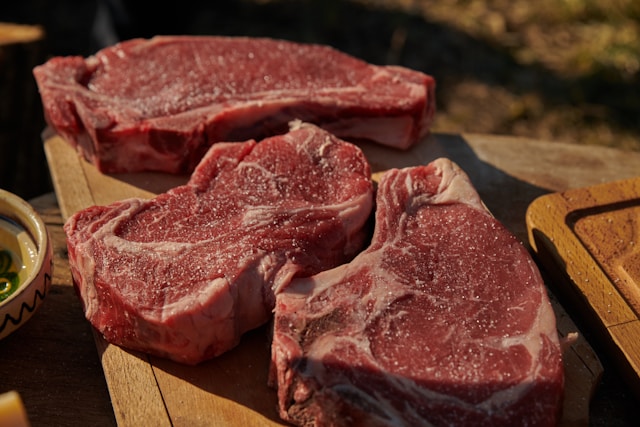

TL;DR: Buying meat online can be safe, convenient, and even better quality than grocery store alternatives—if you know what to look for. Smart shoppers evaluate sourcing transparency, packaging standards, delivery logistics, and seller reputation before placing an order.
Ordering meat online used to feel like a gamble. Raw protein, long shipping distances, no way to poke or smell the product before it arrives—what could go wrong? Quite a bit, actually, if you’re buying from the wrong place. But the online meat market has matured significantly, and millions of households now rely on it to stock their freezers with premium cuts they simply can’t find at the local supermarket.
The difference between a great experience and a disappointing one almost always comes down to what you check before clicking “buy.” Quality, transparency, and reliable cold-chain logistics separate the best online meat retailers from the ones that will send you a gray, vacuum-sealed disappointment.
This guide covers everything smart shoppers look for when buying meat online—from sourcing credentials and packaging standards to return policies and red flags worth avoiding. Whether you’re ordering for the first time or looking to find a better supplier, you’ll know exactly what questions to ask.
Why More Shoppers Are Buying Meat Online
The shift toward online grocery shopping accelerated during the early 2020s and never fully reversed. Meat, once considered too perishable and too personal a purchase for e-commerce, turned out to be a category where online retailers could actually outperform traditional grocery stores.
Here’s why: a local supermarket carries a limited, standardized selection. An online butcher or specialty retailer can offer heritage breeds, grass-fed and grass-finished beef, heritage pork, wild-caught seafood, and cuts that never make it to standard shelving. The supply chain is often shorter too—some online retailers ship directly from farms or regional processors, which means fresher product with fewer handling touchpoints.
That said, the convenience and selection advantages only materialize when you’re buying from a reputable source. Knowing how to evaluate one is the real skill.
How to Evaluate Sourcing Transparency Before You Buy
Sourcing is the single most important factor to assess when buying meat online. Reputable sellers tell you where their animals were raised, how they were fed, and how they were processed. Vague language like “humanely raised” or “natural” without supporting detail is a warning sign—those terms carry no legal standard in the US.
What does “grass-fed” actually mean for online beef purchases?
“Grass-fed” means the animal consumed grass during its lifetime, but the term alone doesn’t guarantee the animal was grass-finished. Many grass-fed cattle are finished on grain before slaughter, which changes the flavor profile and nutritional composition of the meat. Grass-fed and grass-finished beef comes from animals that ate grass their entire lives, producing leaner meat with a higher concentration of omega-3 fatty acids and conjugated linoleic acid (CLA).
When evaluating an online beef retailer, look for explicit mention of both grass-fed and grass-finished, ideally with a named farm or ranch. Third-party certifications from organizations like the American Grassfed Association add another layer of credibility.
What certifications should you look for when buying meat online?
Reliable certifications include:
- USDA Organic: Requires animals to be raised on certified organic land, fed organic feed, and given no antibiotics or growth hormones.
- American Grassfed Association (AGA): Confirms 100% grass-fed and grass-finished status, with no antibiotics or hormones, and access to pasture.
- Animal Welfare Approved (AWA): One of the most stringent animal welfare standards in the US, covering pasture access and humane handling.
- Certified Humane: Covers the full lifecycle of the animal and is audited by Humane Farm Animal Care.
Not every quality retailer carries all of these certifications—some smaller farms operate to high standards without formal certification, which costs money. In those cases, look for detailed farm descriptions, photos, and the ability to contact the seller with questions.
Packaging and Cold-Chain Standards: What to Check Before Ordering
High-quality meat can arrive in poor condition if the cold chain is compromised. Cold-chain integrity refers to maintaining a consistent refrigerated or frozen temperature from the point of processing through to your door. A break anywhere in that chain—during packaging, transit, or handoff—can lead to spoilage or food safety issues.
How should frozen meat be packaged for online shipping?
Frozen meat should arrive solidly frozen or, at minimum, still cold to the touch with visible ice crystals. The best online meat retailers ship in insulated boxes with dry ice or gel packs sized appropriately for the transit time and delivery zone.
Look for sellers who provide specific information about their packaging method. Phrases like “ships with 48-hour dry ice” or “insulated with 2-inch foam liner” are good signs. Generic statements like “carefully packaged to stay fresh” tell you almost nothing.
Vacuum sealing is standard for quality online meat retailers. Vacuum-sealed packaging removes oxygen, which slows bacterial growth and prevents freezer burn during transit. Meat that arrives in loosely wrapped butcher paper may be fine if it’s a same-day or next-day local delivery, but it’s not suitable for parcels traveling across multiple states.
What transit times are safe for online meat orders?
For frozen shipments, two-day shipping is generally the industry standard for most US destinations. Some retailers can safely ship ground to nearby regions; others require overnight shipping for fresh (never frozen) products. Always check the seller’s shipping map and transit estimates for your zip code before ordering.
Avoid ordering meat to addresses where someone won’t be home to receive the package promptly. Leaving a frozen shipment on a doorstep in summer heat for several hours can compromise the product—and most sellers will not issue refunds for packages that were left unattended.
How to Assess Meat Quality Without Seeing It in Person
One of the most common hesitations about buying meat online is not being able to assess quality visually before purchase. The good news: experienced online retailers compensate for this with detailed product information, and there are specific things to look for.
What do USDA beef grades mean for online purchases?
The USDA grades beef on a scale that includes Select, Choice, and Prime, based primarily on marbling—the intramuscular fat that determines flavor and tenderness. Prime is the top grade, representing heavily marbled cuts that are typically sold to high-end restaurants. Choice is the most widely available quality tier. Select is leaner and less flavorful.
Many premium online butchers sell above the standard grading system, offering USDA Prime or even ungraded Wagyu and dry-aged beef. Knowing the grade—or equivalent quality tier—gives you a baseline expectation for what you’re paying.
Why do tasting notes matter when buying meat online?
Tasting notes aren’t just marketing language. A well-written product description tells you about flavor, texture, recommended cooking method, and ideal doneness level. “Rich, beefy flavor with heavy marbling—best cooked medium-rare” gives you genuinely useful preparation guidance. A retailer who provides this level of detail is one that knows their product intimately.
Cut-specific information matters too. Online shoppers sometimes confuse similar cuts with different cooking requirements. A flat iron steak and a chuck steak both come from the shoulder, but they cook very differently. Retailers who explain these distinctions build justified trust.
Reading Reviews and Reputation Signals the Right Way
Customer reviews are useful, but they require some interpretation. A five-star average based on 12 reviews tells you less than a 4.6-star average based on 1,400 reviews. Look for volume and recency—a surge of negative reviews in the past three months is more meaningful than a cluster of complaints from two years ago.
Pay specific attention to reviews that mention shipping and packaging. A retailer can source excellent meat but manage logistics poorly. Reviews that describe packages arriving warm, leaking, or missing items are red flags that no amount of sourcing quality can offset.
Third-party review platforms like Trustpilot, Google Reviews, and the Better Business Bureau provide harder-to-manipulate feedback than on-site testimonials. Cross-referencing a few platforms gives you a more complete picture.
Return Policies and Customer Service: The Final Check
Even from the best retailers, issues occasionally happen. A mishandled package, a wrong item, or a quality problem does occur. How a company handles these situations tells you everything about whether they stand behind their product.
Before ordering, check the following:
- Return or refund window: Most perishable goods cannot be returned, but quality retailers will offer a refund or replacement if you report a problem within a specified timeframe (usually 24–48 hours of delivery).
- Photo documentation requirements: Many sellers ask for photos of damaged or substandard items to process a claim. This is standard practice—not a red flag.
- Response time: Test customer service responsiveness with a pre-purchase question. A seller who responds within 24 hours with a helpful answer is more likely to resolve problems effectively.
Red Flags to Avoid When Shopping for Meat Online
Not every online meat seller operates to the same standard. Watch out for:
- No sourcing information: If the website can’t tell you where the animals were raised or how they were processed, that’s information they’re choosing not to share.
- Unusually low prices: Premium, responsibly sourced meat costs more to produce. Prices that seem too good to be true often reflect corners being cut somewhere in the supply chain.
- No contact information: A legitimate food retailer has a phone number, email address, or live chat. Anonymous seller accounts on marketplace platforms carry significant risk.
- Vague shipping descriptions: Retailers who are vague about packaging materials and transit methods may not have reliable cold-chain infrastructure.
Make Your First Online Meat Order Count
Buying meat online rewards preparation. The shoppers who consistently get great results are the ones who spend five minutes evaluating sourcing credentials, packaging standards, and customer reviews before committing to a new retailer.
Start with a smaller order from a new supplier like Red Dot Market before buying in bulk. This lets you assess the actual product against the description, evaluate packaging quality, and test the retailer’s communication. Once you find a supplier that delivers on all fronts, buying in quantity—and stocking your freezer well—becomes a genuinely smart and cost-effective strategy.
The best online meat retailers make transparency easy. Sourcing details, certifications, tasting notes, and clear logistics information should all be findable within a few clicks. If you have to work hard to find basic product information, a better option is almost certainly out there.
Frequently Asked Questions
Is it safe to buy meat online?
Yes, buying meat online is safe when purchased from a reputable retailer that uses proper cold-chain packaging and reliable shipping methods. Look for vacuum-sealed packaging, insulated boxes with dry ice or gel packs, and two-day shipping as minimum standards for frozen products.
How do I know if online meat is high quality?
Check for USDA grading information, third-party certifications (such as USDA Organic or American Grassfed Association), detailed sourcing descriptions, and tasting notes. High-quality retailers are transparent about where their animals were raised and how the meat was processed.
What should I do if my meat arrives warm or thawed?
Contact the retailer within 24–48 hours of delivery with photos of the packaging and product. Most reputable online meat sellers will offer a refund or replacement for products that arrive outside of safe temperature ranges. Do not consume meat that has reached room temperature during transit.
Is grass-fed the same as grass-finished beef?
No. Grass-fed means the animal ate grass at some point during its life, but it may have been finished on grain before slaughter. Grass-finished means the animal consumed only grass its entire life. Grass-fed and grass-finished beef tends to be leaner, with a slightly different flavor profile and higher omega-3 content.
How do online meat prices compare to grocery stores?
Premium online meat retailers typically charge more than standard grocery stores, but often less than specialty butcher shops for equivalent quality. The price difference reflects better sourcing standards, smaller-scale farming practices, and direct-to-consumer shipping costs. Buying in bulk from online retailers can offset some of that premium.
What is the best way to store meat that arrives frozen?
Transfer frozen meat directly to your freezer upon arrival. Vacuum-sealed frozen meat can safely store for six to twelve months, depending on the cut. If any packages have thawed but are still cold, cook or refrigerate them within one to two days—do not refreeze thawed meat without cooking it first.
