
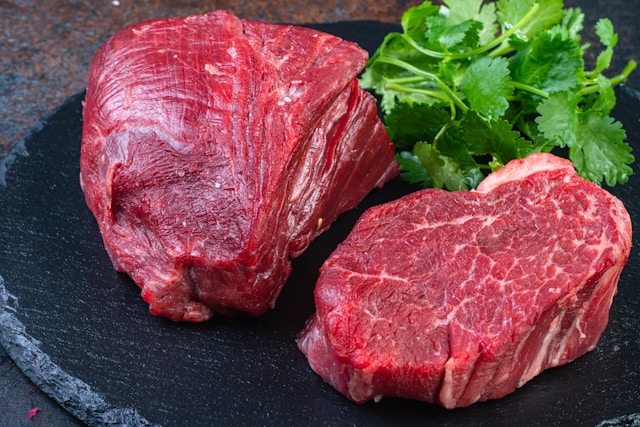

TL;DR: After ordering beef online, check the packaging temperature immediately, then refrigerate cuts you’ll use within 3–5 days or freeze the rest. Fresh beef stays safe in the fridge at or below 40°F, while frozen beef maintains quality for months when wrapped tightly and stored at 0°F. Always thaw beef safely in the refrigerator, not on the counter.
Ordering beef online has become the norm for households that want quality cuts delivered straight to their door. It saves a trip to the butcher, often unlocks better pricing, and gives you access to specialty cuts that your local grocery store might not carry. But there’s a catch: the moment that box lands on your porch, the clock starts ticking on food safety.
Proper storage isn’t just about avoiding waste, it’s about protecting your health and getting the most value out of every cut you’ve paid for. A beautifully marbled ribeye loses its appeal fast if it’s improperly thawed or left in a fridge that’s running too warm. This guide walks through exactly what to do when your beef arrives, how to store it short-term and long-term, and how to spot the warning signs that something’s gone wrong.
What should you do the moment your beef delivery arrives?
Speed matters here. Beef shipped online typically travels with dry ice, gel packs, or insulated liners designed to keep the meat cold during transit. As soon as the package arrives from reddotmarket.sg, bring it inside and open it right away, even if you’re not ready to cook that day.
Check three things immediately:
- Temperature: The beef should still feel cold to the touch, ideally below 40°F. If it’s warm or at room temperature, it’s no longer safe to eat.
- Packaging integrity: Vacuum-sealed bags should still be airtight, with no punctures, leaks, or excessive liquid pooling inside.
- Ice pack condition: If the ice packs or dry ice have fully melted or evaporated and the beef feels warm, treat this as a red flag rather than a minor inconvenience.
If everything checks out, you have two paths forward: refrigerate what you’ll cook soon, or freeze what you won’t.
How long can raw beef sit in the refrigerator before it goes bad?
According to the U.S. Department of Agriculture (USDA), raw beef roasts, steaks, and chops can be safely stored in the refrigerator for 3 to 5 days. Ground beef has a shorter window, lasting only 1 to 2 days before quality and safety start to decline.
Your refrigerator itself needs to hold up its end of the deal. Set it to 40°F or below, and use an appliance thermometer if you’re not confident in your fridge’s built-in display. Store beef on the lowest shelf, where it’s coldest and where any drips won’t contaminate other foods below it.
If you know you won’t cook your beef within that window, freezing is the better option, and it’s one you should make within a day or two of delivery rather than waiting until the fridge deadline is looming.
What’s the best way to freeze beef for long-term storage?
Freezing pauses the clock on spoilage almost entirely, but only if it’s done correctly. Beef that’s improperly wrapped can develop freezer burn, which won’t make it unsafe but will seriously compromise texture and flavor.
Follow these steps for freezing beef delivered online:
- Keep the original vacuum-sealed packaging if possible. Most online beef retailers vacuum-seal their products specifically because it’s the most effective way to prevent air exposure, which is the primary cause of freezer burn.
- Add an extra layer of protection for long-term storage. Wrap vacuum-sealed packages in freezer paper or place them inside a heavy-duty freezer bag, pressing out any excess air.
- Label everything. Write the cut, weight, and freezing date on the package. It’s easy to lose track of what’s what once everything’s frozen solid.
- Freeze at 0°F or below. At this temperature, beef remains safe indefinitely from a food safety standpoint, though quality is best within a defined window depending on the cut.
For reference, the USDA recommends the following freezer storage windows for best quality:
| Cut | Recommended Freezer Time |
|---|---|
| Steaks | 6 to 12 months |
| Roasts | 4 to 12 months |
| Ground beef | 3 to 4 months |
These are quality guidelines, not strict safety cutoffs. Beef stored longer than this will still be safe to eat if it’s remained frozen the entire time, but the taste and texture may suffer.
Should you refrigerate or freeze beef right after delivery?
The right choice depends on your plans for the next few days. Choose refrigeration if you intend to cook the beef within 3 to 5 days (or 1 to 2 days for ground beef). Choose freezing if your plans are less certain or if you’ve bulk-ordered more beef than you can realistically use in that short window.
A common mistake is treating the fridge as a holding zone indefinitely. If you’re unsure whether you’ll get to that porterhouse this week, freeze it now. You can always thaw it later, but you can’t reverse spoilage.
What’s the safest way to thaw frozen beef?
Thawing incorrectly is one of the most common food safety mistakes home cooks make, and it’s an easy one to avoid once you know the guidelines. There are three USDA-approved methods for thawing beef safely:
- Refrigerator thawing: This is the safest and most recommended method. Place the frozen beef in the fridge and allow it to thaw gradually. Smaller cuts like steaks may take a day, while larger roasts can take up to two days.
- Cold water thawing: Submerge the beef in its sealed packaging in cold water, changing the water every 30 minutes. This method thaws beef faster than refrigeration, usually within a few hours depending on size.
- Microwave thawing: Use the defrost setting and cook the beef immediately afterward, since microwaving can begin cooking the outer edges while the inside stays frozen.
Never thaw beef on the counter at room temperature. Bacteria multiply rapidly between 40°F and 140°F, a range food safety experts refer to as the “danger zone.” Counter-thawing pushes beef through this zone for hours, creating conditions where harmful bacteria can flourish even if the meat looks and smells fine.
How can you tell if beef has gone bad?
Even with proper storage, it’s worth knowing the signs of spoilage before you cook. Trust your senses here.
- Smell: Fresh beef has a mild, slightly metallic scent. A sour, ammonia-like, or otherwise off smell is a clear sign it’s no longer good.
- Texture: Beef that feels slimy or sticky, rather than firm and slightly tacky, has likely started to spoil.
- Color: Fresh beef ranges from bright red to a deeper purplish-red depending on the cut and packaging. Some browning is normal and caused by oxygen exposure, but a gray or green tint combined with an off smell signals spoilage.
When in doubt, throw it out. No cut of beef, however expensive, is worth the risk of foodborne illness.
Does the type of packaging affect how you should store beef?
Yes, and it’s worth understanding how your online butcher packages beef before deciding on a storage approach. Vacuum-sealed beef, the most common format for online delivery, is ideal for both refrigeration and freezing because it limits air exposure and helps prevent bacterial growth.
If your beef arrives in butcher paper or a non-sealed wrap, transfer it to an airtight container or resealable freezer bag before storing. This extra step matters more than it might seem. Beef exposed to air in the fridge will develop a duller color and shorter shelf life, while unwrapped beef in the freezer is far more prone to freezer burn.
Making the most of your beef delivery
Buying beef online only pays off if the meat arrives, and stays, in the condition you paid for. Checking your delivery immediately, refrigerating or freezing based on your actual cooking timeline, and thawing safely are the three habits that make the biggest difference. None of these steps require special equipment or much extra time, just a bit of attention in that first hour after your box arrives.
The next time you’re unpacking a beef delivery, treat that first inspection as part of the cooking process, not an afterthought. It’s the step that determines whether every cut that follows turns out the way it should.
Frequently asked questions
How long does vacuum-sealed beef last in the fridge?
Vacuum-sealed beef follows the same refrigerator guidelines as other raw beef: 3 to 5 days for steaks and roasts, and 1 to 2 days for ground beef. Vacuum sealing extends shelf life slightly compared to loosely wrapped beef, but it doesn’t significantly change these safety windows.
Can you refreeze beef after it’s been thawed?
Beef thawed in the refrigerator can be safely refrozen, though quality may decline slightly. Beef thawed using the cold water or microwave method should be cooked before refreezing, since these methods bring beef into temperature ranges where bacteria can grow more quickly.
Is it safe to eat beef that smells fine but has turned slightly brown?
Yes, in most cases. Browning is typically caused by oxygen exposure and doesn’t indicate spoilage on its own. Rely on a combination of smell, texture, and color rather than color alone before deciding to cook or discard beef.
What’s the risk of leaving beef delivery boxes outside for a few hours?
If a delivery sits outside for more than two hours (or one hour in temperatures above 90°F), the beef may enter the bacterial danger zone even if ice packs are still partially cold. When in doubt, check the beef’s temperature and discard it if it’s above 40°F.
Do all online beef retailers ship with the same packaging standards?
No. Packaging varies by retailer, with some using dry ice and heavily insulated boxes for extended transit, while others use gel packs for shorter, regional deliveries. Always check your specific retailer’s shipping and packaging guidelines to know what to expect on arrival.
