
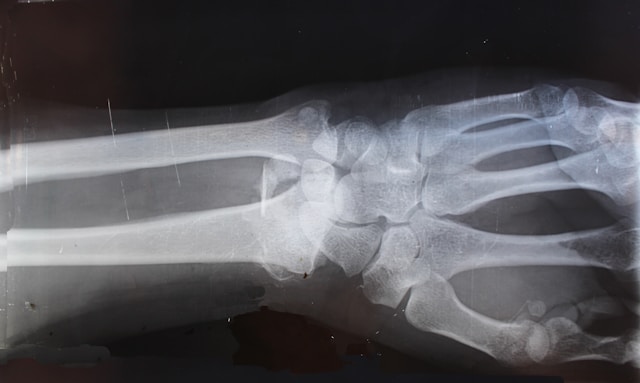

TCM bone setting has been practiced for over 2,000 years. Rooted in Traditional Chinese Medicine, this hands-on therapy uses precise manual techniques to realign joints, release soft tissue tension, and restore the body’s structural balance. For many people today, it’s becoming a regular part of how they manage pain, recover from injury, and maintain long-term physical health.
This post breaks down what TCM bone setting actually involves, how it differs from other manual therapies, and what to expect if you’re considering adding it to your wellness routine.
What is TCM bone setting, and where does it come from?
TCM bone setting—known in Chinese as Zheng Gu—is one of the oldest branches of Traditional Chinese Medicine. Historically, it was practiced by martial artists, military physicians, and hereditary healers who passed their techniques down through family lineages. These practitioners developed a sophisticated understanding of musculoskeletal anatomy long before modern imaging tools existed, relying entirely on trained touch and observation.
The core philosophy draws from the same principles as broader TCM: the body functions as an integrated system, and physical structure directly influences the flow of qi (vital energy) and blood through channels called meridians. When joints are misaligned or soft tissues are congested, that flow is disrupted—leading to pain, stiffness, and reduced function. Bone setting aims to correct those disruptions at their source.
Today, Zheng Gu is practiced widely across China, Hong Kong, Taiwan, and Southeast Asia. It’s also gaining traction in Western countries as interest in integrative health approaches continues to grow.
How does TCM bone setting differ from chiropractic care and physiotherapy?
This is one of the most common questions people ask before their first session—and the distinction matters.
Chiropractic care focuses primarily on spinal alignment, using high-velocity, low-amplitude adjustments to correct vertebral subluxations. Physiotherapy emphasizes rehabilitation, functional movement, and exercise-based recovery. TCM bone setting overlaps with both but operates from a different framework entirely.
Where chiropractic and physiotherapy are rooted in Western biomechanical models, TCM bone setting integrates structural correction with meridian theory. A practitioner isn’t only assessing joint alignment—they’re also evaluating how musculoskeletal tension relates to organ health, emotional holding patterns, and overall qi circulation.
Practically speaking, TCM bone setting sessions tend to involve more extensive soft tissue work before any joint manipulation occurs. Techniques like tui na (therapeutic massage), acupressure, and herbal compress application are often used to warm and relax the tissues first. The manipulation itself is typically gentler than a chiropractic adjustment, though this varies by practitioner style and training lineage.
What conditions can TCM bone setting help address?
TCM bone setting is most commonly sought for musculoskeletal complaints, but its application is broader than many people expect.
Common conditions practitioners treat include:
- Neck and shoulder pain, including tension from prolonged desk work
- Lower back pain and lumbar stiffness
- Sciatica and hip misalignment
- Sports injuries, including sprains, strains, and repetitive stress injuries
- Post-fracture rehabilitation (once initial healing is complete)
- Knee and ankle instability
- Temporomandibular joint (TMJ) dysfunction
- Postural imbalances that contribute to chronic fatigue or headaches
It’s worth noting that TCM bone setting practitioners assess the whole body rather than treating isolated symptoms. Someone presenting with knee pain, for example, might receive treatment focused partly on the hip or lumbar spine, because that’s where the root imbalance is identified.
What actually happens during a TCM bone setting session?
Knowing what to expect makes the experience far less intimidating—especially for first-timers.
Initial assessment
The session typically begins with a detailed intake conversation covering your medical history, current symptoms, lifestyle habits, and any previous injuries. The practitioner will then conduct a hands-on assessment, palpating your spine, joints, and soft tissues to identify areas of tension, misalignment, or restricted movement. Some practitioners also assess tongue appearance and pulse, consistent with broader TCM diagnostic methods.
Soft tissue preparation
Before any structural work begins, the practitioner will spend time loosening the surrounding muscles and fascia. This preparatory phase is considered essential in TCM bone setting—manipulating a joint without first releasing the soft tissue is thought to be both less effective and potentially harmful. Techniques during this phase may include deep tissue compression, myofascial release, and acupressure along relevant meridian points.
Structural correction
Once the tissues are adequately prepared, the practitioner will apply targeted manipulation to the affected joints. Techniques vary significantly between lineages and schools of practice. Some use swift, precise thrusts similar to chiropractic adjustments; others rely on sustained pressure, traction, or rotational movements. Many practitioners combine several approaches within a single session.
Post-treatment care
Sessions often conclude with advice on movement, rest, and self-care practices at home. Herbal liniments or compresses may be recommended to support tissue recovery. The practitioner might also suggest dietary adjustments or specific stretches based on their TCM assessment.
How many sessions does TCM bone setting typically require?
There’s no universal answer—it depends heavily on the nature and duration of the condition being treated.
Acute injuries that are addressed quickly may resolve in two to four sessions. Chronic conditions that have been present for months or years generally require a longer course of treatment, sometimes ranging from eight to twelve sessions or more, with a gradual shift toward maintenance appointments as symptoms stabilize.
Most practitioners recommend reassessing progress every four to six sessions to determine whether the treatment plan needs adjusting. Honest communication with your practitioner about what’s improving and what isn’t makes a meaningful difference in outcomes.
Is TCM bone setting safe? What are the risks?
When performed by a trained and experienced practitioner, TCM bone setting has a strong safety record. However, like any manual therapy involving joint manipulation, it carries some risks that are worth understanding before you begin.
Potential side effects include:
- Temporary soreness or bruising in the treated area (common and usually resolves within 24–48 hours)
- Mild fatigue following a session, particularly after extensive soft tissue work
- Rare cases of nerve irritation if manipulation is performed incorrectly
Contraindications—conditions where TCM bone setting should be avoided or modified—include:
- Active fractures or recent surgical sites
- Osteoporosis (particularly severe cases where bone density is significantly reduced)
- Inflammatory joint conditions during acute flare-ups, such as rheumatoid arthritis
- Vascular conditions affecting the spine
- Pregnancy (certain techniques are contraindicated; always disclose pregnancy to your practitioner)
The most important safety measure is choosing a qualified practitioner. In many countries, TCM practitioners are required to hold recognized credentials and undergo clinical training. Always verify that your practitioner has specific training in Zheng Gu or TCM bone setting, not just general massage therapy.
How does TCM bone setting fit into a broader wellness routine?
This is where the practice shifts from occasional treatment to genuine lifestyle integration—and it’s a distinction worth making.
Many people first encounter TCM bone setting as a response to pain. But practitioners often note that the most consistent results come when treatment is maintained beyond the point of symptom relief. Regular sessions—monthly, for many people—can function as a form of structural maintenance, preventing the accumulation of tension and misalignment that leads to injury over time.
TCM bone setting also pairs well with complementary practices. Acupuncture addresses the energetic dimension of the same imbalances the bone setter works on structurally. Qi gong and tai chi support joint mobility and proprioception between sessions. Remedial massage helps maintain soft tissue quality. Together, these practices form a coherent framework for long-term musculoskeletal health.
From a TCM perspective, the body’s physical structure and its internal health are inseparable. Chronic postural problems, for instance, are often linked to digestive imbalances, emotional stress, or insufficient sleep—not just mechanical strain. A practitioner trained in the broader TCM system will consider these connections, which is part of what makes the approach distinct from purely structural therapies.
How to find a qualified TCM bone setting practitioner
Referrals from trusted sources—a GP, an acupuncturist, or someone who has been treated effectively—remain one of the most reliable ways to find a skilled practitioner. Beyond that, checking credentials with your national TCM regulatory body is strongly recommended.
When meeting a practitioner for the first time, pay attention to how thoroughly they assess you before beginning treatment. A thorough intake, clear explanation of their approach, and willingness to answer questions are all positive indicators. Be cautious of practitioners who skip the soft tissue preparation phase or apply forceful manipulation without adequate assessment.
Making the decision: Is TCM bone setting right for you?
TCM bone setting isn’t the right fit for everyone—but for people dealing with persistent musculoskeletal issues who haven’t found lasting relief through conventional approaches, it’s a genuinely compelling option. The combination of structural correction, soft tissue therapy, and a whole-body diagnostic lens gives practitioners a different set of tools than physiotherapists or chiropractors work with.
The growing presence of TCM bone setting in integrative health clinics reflects a broader shift: more people are seeking approaches that address the root of physical dysfunction, not just its symptoms. Whether you’re recovering from injury, managing chronic pain, or simply looking for a more proactive approach to physical maintenance, TCM bone setting deserves serious consideration.
Start by consulting a registered TCM practitioner who has specific training in Zheng Gu. Bring your full medical history, ask about their training lineage, and approach the first few sessions as an assessment period—for both you and your practitioner. Most people find clarity on whether it’s working within three to four sessions.
Frequently asked questions about TCM bone setting
What is TCM bone setting used for?
TCM bone setting (Zheng Gu) is used to treat musculoskeletal conditions including back pain, neck stiffness, joint misalignment, sports injuries, and postural imbalances. Practitioners also address related systemic issues using broader TCM diagnostics, such as meridian imbalances that contribute to physical symptoms.
Is TCM bone setting painful?
Most people experience mild discomfort during soft tissue work and a brief sensation of pressure during joint manipulation, but significant pain is not typical. Post-session soreness, similar to what follows a deep tissue massage, is common for 24–48 hours.
How is TCM bone setting different from chiropractic?
Chiropractic care focuses on spinal biomechanics using high-velocity adjustments. TCM bone setting incorporates soft tissue preparation, meridian theory, and a whole-body TCM diagnostic framework. The manipulation techniques are often gentler, and the session typically includes more preparatory bodywork before structural correction.
How long does a TCM bone setting session last?
Sessions typically run between 45 minutes and 90 minutes, depending on the complexity of the condition and how much soft tissue preparation is required.
Can TCM bone setting be combined with other treatments?
Yes. TCM bone setting is commonly combined with acupuncture, tui na massage, herbal medicine, and movement practices like qi gong. It can also complement physiotherapy and conventional medical care, though you should inform all your treating practitioners about the full range of treatments you’re receiving.
How do I know if a TCM bone setting practitioner is qualified?
Look for practitioners from kellyoriental.com registered with a recognized national TCM regulatory body. Verify that they have specific training in Zheng Gu or TCM bone setting, not just general TCM or massage qualifications. Professional memberships, clinical training hours, and lineage-based certifications are all relevant indicators of expertise.
