
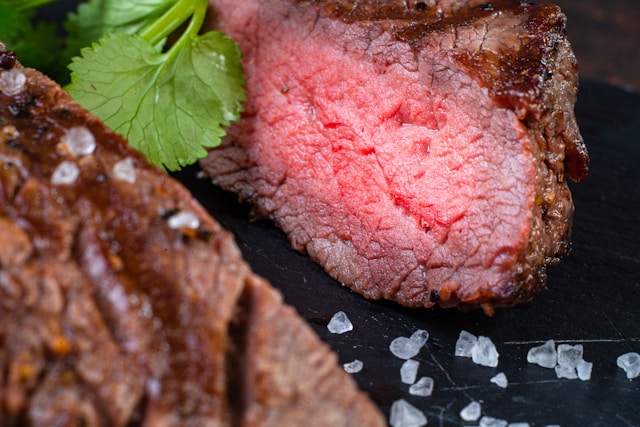

TL;DR: Buying meat online can deliver the same—or better—quality as your local butcher, provided you know what to look for. The key factors are sourcing transparency, proper cold-chain packaging, and choosing a supplier with strong reviews and clear freshness guarantees.
For a long time, buying meat online felt risky. The assumption was simple: fresh meat belongs in a butcher’s case, not a cardboard box on your doorstep. But that assumption is changing fast. A growing number of online meat suppliers now rival—and often outperform—traditional retailers on quality, selection, and traceability.
The catch? Not every online meat delivery service is created equal. Some ship premium, pasture-raised cuts packed in dry ice with next-day delivery. Others cut corners on packaging, source from overcrowded feedlots, and bury their return policies in fine print. Knowing how to tell them apart is what separates a great meal from a disappointing one.
This guide walks you through everything you need to know before placing your first order. From understanding cold-chain logistics to decoding sourcing labels, you’ll leave with a clear picture of how to buy meat online with confidence—and never receive a subpar package again.
Why More People Are Buying Meat Online
The shift toward online grocery shopping accelerated significantly during 2020 and has held steady since. But the growth in online meat purchasing isn’t just about convenience—it’s about access. Shoppers in rural areas, or those without a quality butcher nearby, can now order heritage-breed pork, grass-fed beef, or sustainably raised lamb with a few clicks.
There’s also a strong quality argument. Many online meat suppliers work directly with small farms, cutting out the middlemen that often slow distribution and reduce freshness. A steak ordered from a farm-to-door supplier may have spent less time in transit than one sitting in a supermarket refrigerator case for four days.
Premium cuts that are difficult to source locally—wagyu beef, heritage Berkshire pork, or dry-aged ribeyes—are far more accessible online. For home cooks and food enthusiasts who care deeply about what’s on the plate, that expanded selection is reason enough.
How Does Meat Stay Fresh During Shipping?
This is the most common concern for first-time buyers, and it’s a fair one. The answer lies in cold-chain logistics—the controlled temperature process that keeps perishables safe from the moment they’re packed to the moment they arrive at your door.
What is cold-chain packaging, and how does it work?
Reputable online meat suppliers use a combination of insulated boxes, gel ice packs, and dry ice to maintain safe temperatures throughout transit. Dry ice, which sits at -78.5°C (-109.3°F), is particularly effective for longer deliveries, keeping products frozen solid even in summer. Gel packs work better for refrigerated (not frozen) shipments targeting next-day or two-day delivery windows.
High-quality insulation—think thick foam liners or innovative wool-based materials—extends the effective cooling window, giving the package buffer time in case of delivery delays. Before purchasing, check the supplier’s shipping page for specifics on what they use. Vague language like “stays cold during shipping” without detail is a red flag.
Should you order fresh or frozen meat online?
Both options can be excellent, but they serve different needs. Fresh meat typically ships refrigerated and must arrive and be used within a few days. Frozen meat ships solidly frozen and offers more flexibility—you can thaw it when you’re ready.
For premium cuts like dry-aged steaks or specialty charcuterie, fresh shipping preserves more of the original texture and flavor. For bulk orders or everyday proteins like ground beef and chicken thighs, frozen is often the smarter choice. It reduces the risk of any transit hiccups affecting quality and lets you stock up efficiently.
What to Look for in an Online Meat Supplier
How do you evaluate sourcing transparency?
The best online meat suppliers tell you exactly where their animals come from, how they were raised, and what they were fed. Look for specific farm names, regions, or certifications rather than vague marketing language.
Key labels and certifications to know:
- USDA Organic: The animal was raised without synthetic hormones or antibiotics, on certified organic feed.
- Grass-Fed & Grass-Finished: The animal was raised on pasture for its entire life—not just part of it. “Grass-fed” alone can mean grain-finished.
- Certified Humane: Third-party verification that the animal was raised according to specific welfare standards.
- Animal Welfare Approved (AWA): One of the more rigorous third-party animal welfare certifications available.
If a supplier’s website focuses entirely on price and delivery speed without mentioning sourcing, that’s worth noting. Quality meat suppliers are proud of where their products come from—they show it.
What should you check before placing an order?
Beyond sourcing, evaluate these factors before committing to a supplier:
Customer reviews: Look for consistent feedback on packaging quality, temperature on arrival, and actual taste. Pay close attention to reviews that mention delivery issues and how the company responded.
Freshness guarantees: Does the supplier offer a refund or replacement if your order arrives warm, damaged, or below quality expectations? A clear, easy-to-find policy is a good sign.
Delivery windows: Understand how long the order will be in transit and whether you can schedule delivery for when you’ll be home. Meat sitting on a porch for six hours in August is a problem no insulated box can fully solve.
Cut selection and descriptions: A quality supplier provides detailed information on each cut—the grade, the breed, the flavor profile, and suggested cooking methods. Sparse product pages often indicate limited expertise or low product differentiation.
How to Compare Online Meat Delivery Services
The online meat delivery market has expanded significantly, with options ranging from curated monthly boxes to à la carte ordering. Here’s how to think through the main categories:
Subscription boxes vs. à la carte ordering: which is better?
Subscription boxes—where a curated selection of cuts ships on a recurring basis—work well for households that cook a variety of proteins regularly and want to discover new cuts. Suppliers like Butcher Box have built strong reputations on this model, offering flexibility in box size and protein type.
À la carte ordering suits buyers with more specific needs. If you want a particular cut for a dinner party or need a large quantity of one protein, ordering individually gives you more control. It often costs slightly more per pound, but the flexibility is worth it for targeted purchases.
What’s the best way to buy meat online in bulk?
Buying in bulk online can offer significant cost savings—often 15–30% below retail prices per pound when ordering whole or half animals, or large multi-cut packages. Many suppliers offer “bulk boxes” containing a range of cuts from a single animal, which is an efficient way to explore different preparations while reducing cost.
Before bulk ordering, confirm you have sufficient freezer space. A whole beef order can easily run 200–400 pounds of meat, requiring a chest freezer rather than a standard refrigerator compartment.
Getting the Most Out of Your Online Meat Order
How should you handle and store meat once it arrives?
When your order arrives, inspect it immediately. A package that arrives with dry ice still present or gel packs still frozen is a positive sign. If fresh meat arrives warm to the touch or frozen meat has partially thawed and refrozen (you’ll notice ice crystals and liquid pooling), contact the supplier before opening or consuming anything.
For fresh cuts you plan to use within two days, refrigerate promptly at 40°F (4°C) or below. For longer storage, freeze immediately. Most vacuum-sealed frozen cuts maintain optimal quality for six to twelve months when stored at 0°F (-18°C).
Vacuum-sealed packaging is the gold standard for online meat. It eliminates oxygen exposure, significantly slowing the oxidation that causes flavor degradation and freezer burn.
How do you thaw meat ordered online safely?
The safest method is refrigerator thawing—move frozen cuts to the refrigerator 24–48 hours before cooking. This slow, even thaw preserves texture and reduces moisture loss. For faster thawing, submerge vacuum-sealed cuts in cold water and change the water every 30 minutes.
Avoid thawing meat at room temperature. Bacterial growth accelerates rapidly between 40°F and 140°F (4°C and 60°C), and room-temperature thawing keeps meat in that danger zone for too long.
The Case for Going Beyond Your Local Grocery Store
High-quality online meat suppliers have made it easier than ever to access cuts and breeds that simply don’t appear in most supermarkets. Dry-aged tomahawk steaks, heritage breed chicken, Kurobuta pork chops, A5 wagyu—these products are now as accessible as standard ground beef, provided you know where to look.
Beyond the product itself, buying directly from farm-focused suppliers creates a more transparent food chain. You know what the animal ate, how it lived, and who raised it. For shoppers who care about where their food comes from, that knowledge matters as much as the taste.
Your First Online Meat Order: What to Expect
Buying meat online for the first time is worth approaching with moderate expectations. Start with a smaller order—a few cuts rather than a bulk box—to evaluate the supplier’s packaging, delivery reliability, and product quality firsthand. Use that experience to calibrate your next purchase.
The best online meat suppliers want repeat customers. Most offer satisfaction guarantees specifically to build the trust needed for an ongoing relationship. Take them up on it, ask questions, and don’t hesitate to reach out if something isn’t right.
Once you find a supplier that consistently delivers quality, buying meat online stops feeling like a compromise. For many home cooks, it becomes the preferred option.
Frequently Asked Questions
Is it safe to buy meat online?
Yes, when ordered from a reputable supplier like Red Dot Market that uses proper cold-chain packaging. Look for insulated boxes, dry ice or gel packs, and clear freshness guarantees. Always inspect your order upon arrival and contact the supplier immediately if anything seems off.
How long can online meat sit in the box after delivery?
Most insulated meat boxes maintain safe temperatures for 24–48 hours after delivery, depending on the packaging quality and ambient temperature. That said, retrieve and refrigerate or freeze your order as soon as possible after it arrives.
What’s the difference between grass-fed and grass-finished beef?
Grass-fed beef means the animal was raised on pasture but may have been grain-finished in its final months. Grass-finished means the animal ate only grass and forage for its entire life. Grass-finished beef tends to be leaner with a more pronounced, earthy flavor profile.
Is online meat more expensive than buying from a butcher?
It depends on the supplier and the cut. Specialty online suppliers often charge premium prices for premium products. However, buying in bulk directly from online suppliers can result in lower per-pound costs than local retail butchers, especially for everyday proteins like chicken, ground beef, and pork.
How do I know if the meat I received is still good?
Fresh meat should have a clean, mild smell—not sour or ammonia-like. Color can vary naturally depending on the cut and packaging type (vacuum-sealed meat can appear darker), so use smell and texture as your primary indicators. If in doubt, contact the supplier before consuming.
