
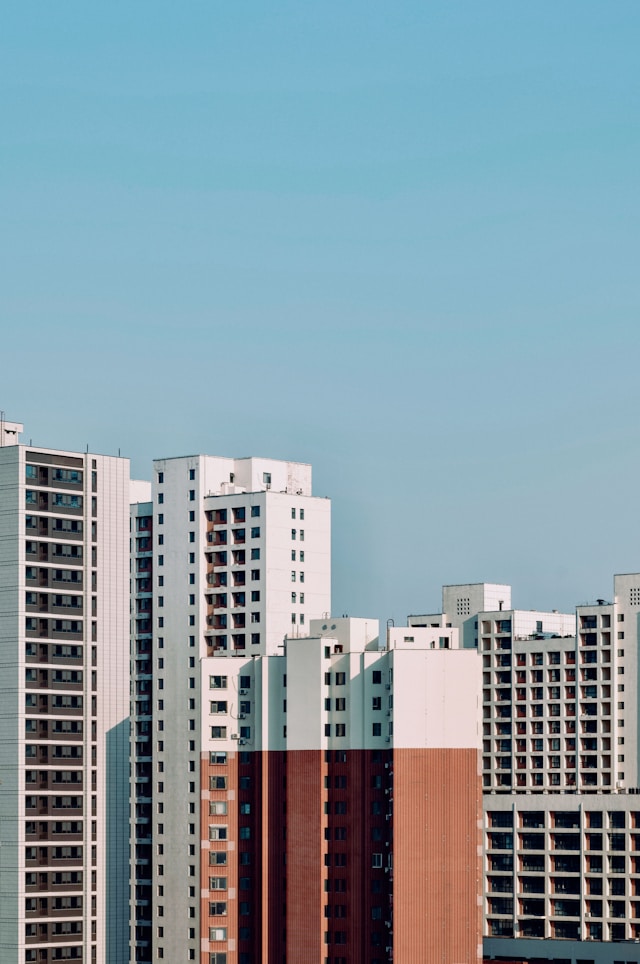

Quick answer: Practical HDB interior design has become the new luxury because Singaporean homeowners now value function, flexibility, and smart use of space over flashy finishes. With flat sizes averaging 90 to 110 square meters, designs that maximize storage, natural light, and multipurpose living deliver more real-world comfort than decorative excess ever could.
For years, “luxury” in home design meant marble feature walls, crystal chandeliers, and furniture that looked better than it worked. That definition is fading fast in Singapore. Today’s HDB homeowners are redefining what a premium home actually feels like—and the answer has less to do with price tags and more to do with how a space serves daily life.
This shift makes sense when you consider how people live now. Remote work, smaller households, rising renovation costs, and a growing appreciation for minimalism have all nudged design priorities toward practicality. A home that flows well, hides clutter, and adapts to your routine feels far more luxurious than one stuffed with expensive but impractical features.
In this post, we’ll explore why practical HDB interiors are winning, what design principles drive them, and how you can apply these ideas to your own flat. Whether you’re renovating a new BTO or refreshing a resale unit, you’ll come away with clear, actionable insights.
Why Are Practical HDB Interiors Considered Luxurious Now?
Luxury used to be about display. A home signaled status through what it showed off. That logic doesn’t hold up well in a compact HDB flat, where every wasted square foot is felt daily.
Practicality has taken over because it solves real problems. A well-designed kitchen with smart storage saves you time every morning. A living room that converts into a workspace serves you better than a formal sitting area you rarely use. When design removes friction from daily life, that ease becomes the true marker of a premium home.
There’s also a cultural shift at play. Younger Singaporean homeowners, many of them first-time BTO buyers, tend to favor experiences and functionality over showy ownership. They want homes that support their lifestyle—not homes that demand maintenance and admiration. The result is a quiet redefinition of luxury: calm, clutter-free, and effortlessly functional.
What Makes a Practical HDB Design Feel Premium?
A practical space doesn’t mean a plain one. The best HDB interiors blend function with beauty so seamlessly that the two become hard to separate. Here are the core principles that elevate a practical home.
Smart Storage That Disappears
Storage is the backbone of any well-designed HDB flat. The goal isn’t just to have more of it—it’s to make it invisible. Built-in cabinetry that runs floor to ceiling, hidden compartments under platform beds, and full-height wardrobes all keep clutter out of sight.
Concealed storage creates clean sightlines, and clean sightlines make a space feel larger and calmer. In a flat where space is finite, that visual breathing room reads as genuine luxury.
Multipurpose, Flexible Rooms
Few HDB owners can afford to dedicate an entire room to a single, occasional use. The modern solution is flexibility. A study nook folds into a guest room. A dining table doubles as a work desk. A platform area serves as both seating and storage.
Designing rooms that shift with your needs means you get more living value from the same footprint. This adaptability is especially useful for growing families and anyone working from home.
Quality Materials Over Decorative Excess
Premium today means fewer, better choices. Rather than covering surfaces in ornate detail, practical designs lean on quality materials that age well—think durable laminates that mimic natural wood, easy-to-clean quartz countertops, and matte finishes that hide fingerprints.
These materials look refined and hold up to real life. A surface that still looks good after five years of family use is far more valuable than a delicate finish that scratches within months.
Natural Light and Open Flow
Light transforms a home. Practical HDB designs prioritize unobstructed windows, light color palettes, and open layouts that let daylight travel deeper into the unit. Where structurally possible, removing non-load-bearing partitions between the kitchen and living area creates a sense of openness that no decorative feature can replicate.
Open flow also improves how a family moves through the home, reducing the cramped feeling that small flats can have.
How Has Singaporean Lifestyle Shaped This Trend?
Design trends rarely happen in isolation. Several lifestyle shifts have pushed practical HDB interiors into the spotlight.
The rise of remote and hybrid work. When the home became the office, dead spaces became liabilities. Homeowners needed functional work zones, better lighting, and quiet corners—all within the same square footage. Designs that carve out productive space without sacrificing comfort became essential.
Smaller households and changing family structures. With more singles, couples, and smaller families, the demand has moved away from formal, rarely-used rooms toward flexible, lived-in spaces that do double duty.
Renovation cost awareness. Renovation budgets in Singapore have climbed, and homeowners are increasingly cautious about spending. Practical design offers better return on every dollar, since money goes toward features that improve daily life rather than purely cosmetic upgrades.
A growing appreciation for minimalism and wellness. Cluttered homes are linked to higher stress. Many Singaporeans now associate calm, organized spaces with wellbeing—and a tidy, functional flat supports that mindset far better than a maximalist one.
What Are the Best Practical Design Ideas for HDB Flats?
If you’re planning a renovation, these proven ideas deliver the most functional value for the typical HDB layout.
- Platform beds with built-in drawers turn the area under your mattress into substantial storage, ideal for bedrooms where wardrobe space is limited.
- Full-height kitchen cabinets use vertical space that often goes wasted, keeping appliances and pantry items tucked away.
- Foldable or extendable dining tables let you scale your dining area up for guests and down for everyday use.
- Sliding doors instead of swing doors save floor space and add a sleek, modern touch.
- A study or work nook built into the living room creates a dedicated work zone without claiming an entire room.
- Open shelving in moderation keeps frequently used items accessible while adding personality—just avoid overcrowding it.
- Light, neutral color palettes make compact rooms feel airy and larger.
- Mirrors placed strategically bounce light around and visually expand tight spaces.
Each of these ideas earns its place by improving how the home functions, not just how it looks.
How Do You Balance Practicality With Personality?
A common worry is that practical design feels sterile or impersonal. It doesn’t have to. Function and character can coexist beautifully.
The trick is to let practicality form the foundation and then layer in personality through accents. A neutral, well-organized base gives you a clean canvas. From there, a bold rug, a few statement light fixtures, indoor plants, or curated artwork inject warmth and individuality without creating clutter.
Texture also matters. Combining materials—wood, rattan, soft textiles, and metal—adds depth and interest to a minimal space. The result is a home that feels both calm and distinctly yours.
Choose function-first design if you value long-term livability and easy maintenance. Then reserve a modest portion of your budget for the decorative touches that make the space feel like home. This balance gives you the best of both worlds.
Making Practical Luxury Work in Your Home
The new definition of luxury in HDB interior design is refreshingly grounded. It’s about homes that work hard, feel calm, and adapt to real life. Smart storage, flexible rooms, quality materials, and good light deliver comfort you actually experience every day—and that’s worth far more than decorative features you simply look at.
If you’re starting a renovation, begin by listing how you actually use each room. Let those habits guide your design decisions, prioritize storage and flow, and invest in materials that last. Bring in a qualified interior designer early if you want help maximizing a tricky layout. The earlier practicality enters the conversation, the more luxurious your finished home will feel.
Frequently Asked Questions
What is the average cost of an HDB interior renovation in Singapore?
Renovation costs vary widely based on flat size, scope, and material choices. A practical, function-focused renovation often costs less than a heavily decorative one, since the budget goes toward useful built-ins rather than purely cosmetic features. For an accurate figure, request itemized quotes from several licensed interior firms.
Is practical interior design cheaper than luxury design?
Not always, but it usually delivers better value. Practical design directs spending toward features that improve daily living, such as built-in storage and durable materials. You may still invest in quality finishes, but you avoid spending on decorative elements that don’t serve a real purpose.
How can I make a small HDB flat look bigger?
Use light, neutral colors, maximize natural light, choose concealed storage to reduce visual clutter, and add mirrors to reflect light. Open layouts and full-height cabinetry that draws the eye upward also help a compact flat feel more spacious.
Does practical design mean I have to give up style?
No. Practical design provides a clean, organized foundation that you can personalize with accents like artwork, plants, textured textiles, and statement lighting. Function and style work best together, not in opposition.
Who benefits most from practical HDB interior design?
Practical design suits almost everyone, but it’s especially valuable for first-time BTO owners, remote workers, growing families, and anyone living in a compact flat. If you want a home that’s easy to maintain and adapts to your routine, practical design is the strongest choice.
