
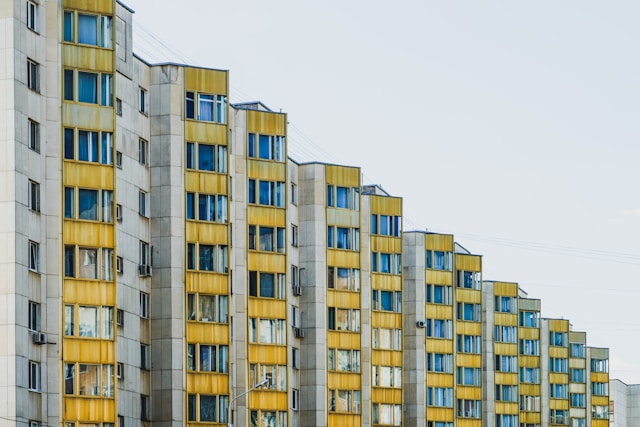

TL;DR: Simplicity in HDB (Housing & Development Board) interior design is becoming the new luxury because it maximizes limited floor space while prioritizing mental clarity and high-quality materials. Homeowners are abandoning cluttered opulence in favor of custom built-in carpentry, neutral color palettes, and smart lighting to create serene, premium living environments.
Living in a Singapore Housing & Development Board (HDB) flat comes with unique spatial constraints. For decades, homeowners equated luxurious interior design with visual abundance. People filled their living rooms with bulky chandeliers, elaborate feature walls, and oversized furniture to project success and comfort.
That approach is rapidly shifting. A new design philosophy has taken root across Singapore’s residential landscape. Homeowners now recognize that physical space is the ultimate premium commodity. Instead of packing rooms with decorative elements, residents are intentionally leaving areas empty. They are choosing high-quality, understated materials over flashy focal points.
This guide explores exactly why minimalism and simplicity have redefined luxury in HDB interior design. You will learn the psychological drivers behind this trend, the specific materials that elevate a basic flat, and actionable strategies to implement this aesthetic in your own home. By understanding these principles, you can transform a standard HDB unit into a sophisticated, highly functional retreat.
What is driving the shift toward simple HDB interior design?
Several practical and psychological factors are pushing homeowners toward minimalist aesthetics. Understanding these drivers helps clarify why this trend is a permanent evolution in residential design rather than a passing fad.
How does shrinking flat size impact design choices?
Newer Build-To-Order (BTO) flats generally feature smaller floor plans compared to older resale units from the 1980s and 1990s. A standard 4-room BTO flat today offers roughly 90 square meters of living space. When you have less square footage to work with, every single piece of furniture and decor must serve a distinct purpose.
Heavy, ornate design elements make small rooms feel claustrophobic. Intricate crown molding, heavy drapery, and massive coffee tables consume valuable visual and physical real estate. By adopting a simple design approach, homeowners can make a 90-square-meter flat feel significantly larger. Clean lines and unobstructed pathways trick the eye, creating an illusion of expansiveness. Unobstructed floor space has become a status symbol in its own right.
Why is mental well-being tied to minimalist spaces?
The psychological impact of our environment is profound. Singapore is a densely populated, highly active metropolis. When residents return home after navigating crowded trains and busy offices, they require a sensory detox.
Visual clutter actively competes for your brain’s attention, leading to decreased focus and increased stress levels. A simple, uncluttered HDB flat provides immediate cognitive relief. When a living room features only a comfortable sofa, a textured rug, and a single piece of curated artwork, the brain can finally rest. Luxury is no longer defined by how much you own. Luxury is defined by the peace of mind your home provides.
What are the core elements of luxury minimalist HDB design?
Achieving luxurious simplicity requires more than just throwing away old furniture. It demands a highly intentional approach to material selection, lighting, and spatial organization.
Which materials elevate a simple space to luxury status?
When you strip away excessive decor, the foundational materials of your home step into the spotlight. In a simple HDB interior design, the quality of the flooring, countertops, and cabinetry becomes immediately apparent.
Designers recommend investing in materials that offer rich tactile experiences and longevity. Large-format porcelain tiles with a matte finish create a seamless floor that mimics expensive natural stone without the high maintenance. For cabinetry, laminates with ultra-matte, anti-fingerprint finishes provide a sophisticated, velvety look.
Natural elements also play a crucial role. Incorporating authentic oak or walnut wood veneers adds warmth to an otherwise stark space. Sintered stone countertops in the kitchen offer the luxurious appearance of marble while remaining highly resistant to heat, stains, and scratches. When the design is simple, the inherent beauty of these premium materials does the heavy lifting.
How does lighting transform a basic HDB flat?
Standard HDB lighting usually consists of bright, centralized fluorescent or LED ceiling plates. This type of illumination is highly functional but creates a sterile, clinical atmosphere. Luxurious simplicity relies heavily on layered, architectural lighting.
Instead of one bright light source, designers use multiple subtle light fixtures to create depth and mood. Recessed LED strip lights hidden within ceiling coves or underneath floating bathroom vanities provide a soft, ambient glow. Adjustable track lighting highlights specific architectural features or artwork. Warm-toned bulbs (around 2700K to 3000K) are essential for creating a cozy, high-end hotel ambiance. By controlling the intensity and direction of light, homeowners can completely alter the mood of their flat at the touch of a button.
What role does custom carpentry play in decluttering?
Freestanding storage units often look mismatched and break up the visual flow of a room. To maintain a simple aesthetic, custom built-in carpentry is absolutely essential.
Built-in storage allows you to hide the messy realities of daily life. Full-height wardrobes that sit perfectly flush against the ceiling prevent dust accumulation and create a seamless wall effect. In the living room, a custom television console with hidden compartments conceals unsightly cables, gaming consoles, and internet routers.
Many homeowners are also opting for concealed doors. By finishing a bedroom door in the exact same laminate as the adjacent feature wall, the door virtually disappears. This technique creates a long, unbroken visual plane that looks incredibly sophisticated.
How can homeowners achieve luxurious simplicity on a budget?
You do not need a massive renovation budget to create a premium, simple HDB interior. Strategic allocation of funds ensures the highest return on your investment.
Where should you splurge versus save during renovation?
The rule of thumb for budget-conscious luxury is to splurge on items you touch and interact with daily, while saving on peripheral elements.
Splurge on high-quality cabinet hardware. A heavy, solid brass drawer pull feels expensive every time you open a cabinet, instantly elevating the perceived value of the entire kitchen. Invest in premium bathroom fixtures, such as a high-end rain showerhead or a solid surface vanity basin.
Save money by retaining existing floor layouts to avoid hacking and rebuilding walls. You can also save by choosing high-quality vinyl flooring over natural hardwood. Modern luxury vinyl tiles (LVT) replicate the look and texture of wood perfectly, cost a fraction of the price, and hold up exceptionally well to high humidity.
Which color palettes create a premium feel in small spaces?
Color dictates the entire atmosphere of an HDB flat. Luxurious simplicity leans heavily on cohesive, neutral color palettes.
A monochrome scheme utilizing varying shades of warm white, beige, and taupe creates a serene and expansive environment. These colors reflect natural light beautifully, making small BTO rooms feel airy. To prevent the space from looking flat, introduce texture rather than contrasting colors. Pair a smooth beige leather sofa with a chunky knit taupe throw blanket and matte greige walls.
If you prefer darker tones, the “modern dark luxury” aesthetic uses deep charcoals, slate grays, and muted forest greens to create a moody, intimate cave-like feel. This works particularly well in master bedrooms where the primary goal is rest and relaxation.
How do smart home features complement minimalist interiors?
Technology and simplicity are a perfect match. Smart home automation eliminates physical clutter by replacing traditional mechanisms with invisible, digital controls.
What invisible tech upgrades add the most value?
Motorized window treatments eliminate the need for dangling cords and heavy curtain rods. With a smart home hub, you can program your sheer roller blinds to open automatically at sunrise.
Smart lighting systems allow you to remove banks of confusing light switches from your walls. A single, sleek smart keypad can control the lighting scenes for the entire living area. Additionally, installing hidden wireless charging pads beneath bedside tables or kitchen counters keeps surfaces completely clear of tangled charging cables. These invisible tech integrations ensure the home functions beautifully without disrupting the minimalist aesthetic.
Embrace the New Standard of HDB Living
The shift toward simplicity in HDB interior design is a highly practical response to modern living constraints. By prioritizing space, mental well-being, and high-quality materials, homeowners are proving that luxury is an experience rather than a collection of expensive objects.
Start by decluttering your current space and identifying the areas that cause the most visual stress. Plan your storage meticulously, invest in layered lighting, and choose a soothing, neutral color palette. Embracing this refined approach will turn your HDB flat into a timeless, peaceful sanctuary that feels exceptionally luxurious every time you walk through the front door.
Frequently Asked Questions
How much does a minimalist HDB renovation typically cost?
A full minimalist renovation for a standard 4-room HDB BTO flat typically ranges from $30,000 to $50,000 SGD. Costs fluctuate based on the volume of custom carpentry required and the quality of surface materials chosen. Choose high-quality laminates over natural wood veneers to keep costs toward the lower end of this range.
Is minimalist design practical for families with children?
Yes, minimalist design is highly practical for families if implemented correctly. The key is maximizing concealed storage. Families should invest in heavy-duty, floor-to-ceiling built-in cabinets to quickly hide toys, school supplies, and baby gear, allowing the main living areas to remain uncluttered and safe.
What is the difference between minimalism and modern luxury?
Minimalism focuses strictly on reducing elements to their bare essentials, often utilizing stark white spaces and highly functional furniture. Modern luxury incorporates minimalist principles but introduces warmer tones, richer textures (like marble, brass, and dark woods), and ambient lighting to create a softer, more opulent atmosphere.
How can I make a low-ceiling HDB flat look taller?
To create the illusion of height in an HDB flat, use low-profile furniture and install floor-to-ceiling curtains. Avoid thick false ceilings and large pendant lights. Instead, use recessed lighting and vertical design elements, such as fluted wall panels or vertically oriented artwork, to draw the eye upward.
