

Quick answer: The biggest difference between SEO beginners and high performers isn’t tool access or budget—it’s how they think. Top SEOs prioritize search intent over keyword volume, build topical authority instead of chasing single pages, measure business outcomes rather than rankings alone, and treat technical SEO, content, and links as one connected system rather than separate checklists.
Plenty of people know the basics of SEO. They can install a plugin, sprinkle in some keywords, and write a meta description. Yet most of them plateau. They keep doing the same surface-level tasks and wonder why their traffic flatlines while competitors pull ahead.
The gap between a beginner and a high performer rarely comes down to secret tactics. It comes down to skills, judgment, and a different way of approaching the same problems. A beginner asks, “What keyword should I target?” A pro asks, “What does this person actually want, and how do I become the obvious answer?”
This post breaks down the specific skills that move someone from dabbling in SEO to driving real results. You’ll learn how high performers think about intent, content, technical health, links, and measurement—and what you can start doing differently today.
How do beginners and pros think about search intent differently?
Beginners chase keywords. Pros chase intent.
A beginner sees a keyword like “running shoes” with high search volume and immediately wants to rank for it. A high performer pauses and asks a simple question: what is the person typing this actually trying to do? Are they researching shoe types? Comparing brands? Ready to buy? The answer changes everything about the page you build.
Search intent generally falls into four categories:
- Informational: The user wants to learn something (“how to clean running shoes”).
- Navigational: The user wants a specific site or brand (“Nike Pegasus”).
- Commercial: The user is comparing options before a decision (“best running shoes for flat feet”).
- Transactional: The user is ready to act (“buy Nike Pegasus 40”).
High performers reverse-engineer intent by studying the search results that already rank. If the top ten results for a keyword are all listicles, Google has told you what it considers the right answer. Publishing a product page for that query, no matter how optimized, will likely fail. Match the format, depth, and angle of what already works—then make it better.
This single skill—reading intent accurately—prevents the most common beginner mistake: creating great content that targets the wrong purpose.
What separates pro-level content from beginner content?
Beginners write articles. High performers build topical authority.
A beginner publishes a single post on “email marketing tips” and hopes it ranks. A pro maps out the entire topic: a pillar page on email marketing, plus supporting articles on subject lines, segmentation, automation, deliverability, and metrics. These pages link to each other, signaling to search engines that the site is a genuine authority on the subject.
The difference shows up in a few key habits:
Depth over volume. Pros would rather publish ten comprehensive, genuinely useful pages than fifty thin ones. Thin content drains crawl budget and dilutes authority.
Original value. High performers add something the existing results don’t have—original data, firsthand experience, expert quotes, or a clearer explanation. This aligns directly with Google’s emphasis on experience, expertise, authoritativeness, and trustworthiness (E-E-A-T).
Strategic updating. Beginners publish and forget. Pros track which pages are slipping and refresh them. Updating an existing page that already has authority is often faster and more effective than writing something new.
Choose depth and a connected content structure if you want sustainable rankings. Choose one-off articles only when you’re testing a brand-new topic and aren’t ready to commit fully.
Why does technical SEO matter more than beginners think?
Beginners treat technical SEO as optional. High performers treat it as the foundation everything else sits on.
You can write the best article on the internet, but if search engines can’t crawl it, render it, or load it quickly, it won’t perform. Technical SEO is the difference between content that has a chance and content that’s invisible.
The skills that matter most here include:
- Site architecture: Organizing pages so important content is only a few clicks from the homepage, with a logical internal linking structure.
- Crawlability and indexing: Making sure search engines can find and index the right pages—and aren’t wasting time on duplicate or low-value URLs.
- Page speed and Core Web Vitals: Google uses page experience signals, and slow-loading pages frustrate users and hurt rankings.
- Mobile-first design: Google predominantly uses the mobile version of a site for indexing and ranking.
- Structured data: Adding schema markup helps search engines understand content and can earn rich results.
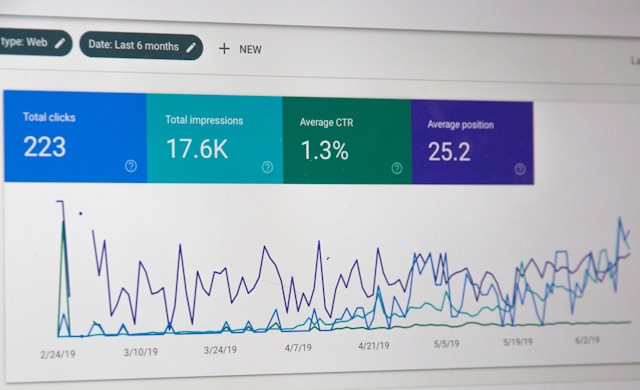
A beginner might never open Google Search Console. A high performer lives in it—watching for crawl errors, indexing issues, and pages that are slipping. They understand that technical health isn’t a one-time setup; it’s ongoing maintenance.
How do high performers approach link building?
Beginners collect links. Pros earn relevance and trust.
Early on, it’s tempting to think more links automatically equal better rankings. So beginners buy cheap links, spam forums, or chase any domain that will have them. This approach is risky at best and penalty-inducing at worst.
High performers understand that not all links are equal. One link from a respected, relevant publication outweighs hundreds from low-quality directories. They focus on:
Relevance. A link from a site in your industry carries far more weight than a random unrelated page.
Authority. Links from established, trusted domains pass more value.
Earning over buying. Pros create assets worth linking to—original research, useful tools, definitive guides—then promote them to people who genuinely benefit. This is slower but durable.
Digital PR and relationships. High performers build connections with journalists, editors, and creators in their space. Links become a byproduct of real relationships and genuinely useful work.
The mindset shift is subtle but powerful: stop asking “how do I get links?” and start asking “why would anyone want to link to this?”
How do beginners and pros measure SEO success differently?
Beginners obsess over rankings. High performers measure business impact.
Ranking number one for a keyword feels great. But if that keyword drives no traffic, or the traffic never converts, the ranking is a vanity metric. This is one of the clearest dividing lines between amateurs and professionals.
High performers track metrics that connect to outcomes:
- Organic traffic to key pages, not just total traffic.
- Conversions and revenue from organic search.
- Click-through rate (CTR) from search results, which reveals whether titles and descriptions are working.
- Engagement signals like time on page and bounce rate, which hint at whether content satisfies intent.
- Share of voice across a topic, rather than the position of any single keyword.
Just as importantly, pros are comfortable with patience. SEO compounds over months, not days. Beginners panic at week-three fluctuations and start changing things randomly. High performers set a strategy, give it time, and make decisions based on trends rather than daily noise.
What habits help SEOs keep improving?
The SEO lessons landscape shifts constantly. Algorithm updates, AI-generated search results, and changing user behavior mean yesterday’s tactics can quietly stop working.
The most reliable skill of all is the ability to keep learning. High performers:
- Read primary sources like Google’s documentation and official announcements, rather than relying only on secondhand summaries.
- Run small experiments and measure the results on their own sites.
- Follow how AI Overviews and generative search are changing what “ranking” even means.
- Stay focused on the one thing that never goes out of style—creating genuinely useful content for real people.
Tools and tactics change. The underlying principle—serve the searcher better than anyone else—does not.
Turning SEO knowledge into real results
The leap from beginner to high performer isn’t about memorizing more tactics. It’s about thinking differently: reading intent instead of chasing keywords, building authority instead of publishing one-offs, treating technical health as a foundation, earning links instead of buying them, and measuring business impact instead of vanity rankings.
Pick one area where you know you’re playing at a beginner level. Maybe you’ve never explored search intent properly, or you’ve ignored Search Console for months. Start there. Get genuinely good at one skill, then move to the next. Stack enough of these improvements together, and the results compound—just like good SEO always does.
Frequently asked questions
How long does it take to become good at SEO?
Most people grasp the fundamentals within a few months, but developing the judgment of a high performer typically takes one to two years of hands-on practice. The fastest progress comes from running real campaigns, measuring outcomes, and learning from what works rather than only reading about it.
Do you need to be technical to succeed at SEO?
No, but you do need to understand technical concepts well enough to spot problems and communicate with developers. You don’t have to write code yourself. You do need to know what crawlability, indexing, page speed, and structured data are, and why they matter.
What’s the single most important SEO skill for beginners to learn first?
Understanding search intent. If you can accurately read what a searcher actually wants and match your content to it, you’ll avoid the most common beginner mistake—creating content that targets the wrong purpose. Every other skill becomes more effective once intent is right.
Is SEO still worth learning with AI-generated search results?
Yes. AI Overviews and generative search are changing how results appear, but they still pull from content that demonstrates authority, relevance, and trust. The core skill—creating genuinely useful content that answers real questions—matters more than ever, not less.
What free tools should a beginner SEO start with?
Google Search Console and Google Analytics are essential and free. Search Console shows how your site performs in search and flags technical issues, while Analytics reveals what visitors do once they arrive. Together they cover most of what a beginner needs to start measuring real results.
