
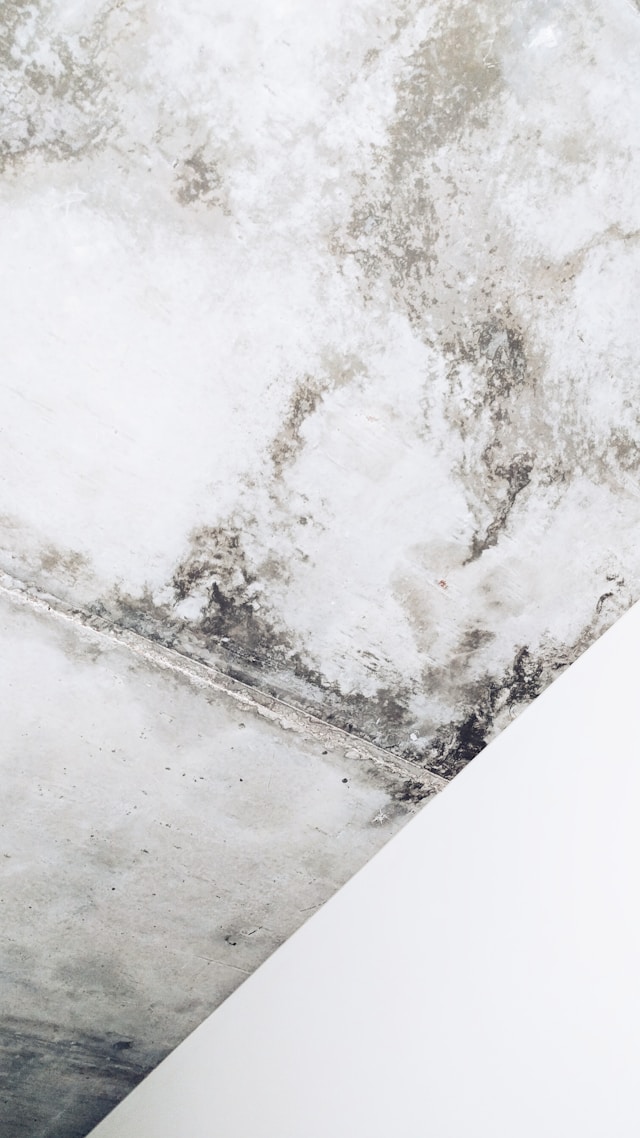

You spot it in the corner of your bathroom ceiling. A dark patch creeping across the grout between your shower tiles. Maybe it’s lurking beneath the sink or spreading quietly behind that bookshelf you never move.
Mold.
It’s one of those household problems that can make even the most confident homeowner feel overwhelmed. But here’s the good news: most small to moderate mold problems can be tackled safely and effectively without calling in the professionals.
This guide will walk you through everything you need to know about DIY mold removal. You’ll learn how to identify different types of mold, assess whether you can handle the problem yourself, and follow step-by-step techniques to eliminate mold from various surfaces in your home. We’ll also cover essential safety precautions and prevention strategies to keep mold from coming back.
Let’s get started.
Understanding Mold: What You’re Dealing With
Before you grab your cleaning supplies, it helps to understand what mold actually is and why it grows in your home.
Mold is a type of fungus that reproduces through tiny spores floating in the air. These spores are everywhere, both indoors and outdoors. When they land on a damp surface with organic material to feed on, they begin to grow and multiply.
Most household mold needs three things to thrive:
- Moisture (from leaks, humidity, or condensation)
- Organic material (like wood, drywall, fabric, or dust)
- Warm temperatures (though some varieties grow in cooler conditions)
Remove any one of these elements, and mold can’t survive.
Common Types of Household Mold
While there are thousands of mold species, a few types commonly appear in homes:
Black mold (Stachybotrys chartarum) gets the most attention due to health concerns. It appears dark green or black and has a slimy texture. It typically grows on materials with high cellulose content, like drywall, wood, and paper.
Green mold includes several species like Aspergillus, Cladosporium, and Penicillium. These appear in various shades of green and often grow on food, walls, insulation, and carpets.
White mold can be harder to spot since it blends with many surfaces. It commonly grows on wood and plants.
Pink mold isn’t actually mold at all—it’s a bacteria called Serratia marcescens. You’ll often find it in bathrooms, particularly around showers and tubs.
When to DIY vs. When to Call a Professional
Not every mold situation is appropriate for DIY mold removal. Here’s how to decide whether you can handle the problem yourself.
You Can Probably Handle It If:
- The affected area is smaller than 10 square feet (roughly a 3×3 foot section)
- The mold is growing on non-porous surfaces like tile, glass, or metal
- There’s no significant water damage or ongoing moisture problem
- You don’t have respiratory issues, allergies, or a compromised immune system
- The mold isn’t the result of sewage or contaminated water
Call a Professional If:
- The moldy area exceeds 10 square feet
- Mold is growing inside walls, HVAC systems, or other hard-to-reach places
- You’ve had significant water damage or flooding
- The mold keeps returning after cleaning
- You or family members have health conditions that mold could worsen
- You suspect the mold resulted from contaminated water
When in doubt, it’s better to consult with a mold remediation specialist. Many offer free inspections and can advise whether professional help is necessary.
Safety First: Essential Precautions
Mold removal can expose you to spores and cleaning chemicals, so proper protection is crucial.
Personal Protective Equipment
Before starting any mold removal project, gather the following:
Respirator mask: Use an N95 respirator or better. Regular dust masks won’t filter out mold spores effectively.
Gloves: Choose long rubber gloves that extend to the middle of your forearm. Avoid latex if you have sensitivities.
Eye protection: Wear safety goggles without ventilation holes to prevent spores from reaching your eyes.
Protective clothing: Wear long sleeves and pants that you can wash immediately after or dispose of if heavily contaminated.
Workspace Preparation
Contain the work area to prevent spores from spreading throughout your home:
- Close doors to other rooms
- Cover doorways with plastic sheeting and tape
- Turn off HVAC systems to prevent spores from circulating
- Open windows in the work area for ventilation
- Place a box fan in the window to blow air outward (never blow air from the moldy room into other parts of your home)
- Cover nearby furniture and items with plastic sheeting or remove them from the area
DIY Mold Removal Techniques by Surface Type
Different surfaces require different approaches. Here’s how to tackle mold on common household materials.
Hard, Non-Porous Surfaces
Materials like tile, glass, metal, and sealed countertops are the easiest to clean because mold can’t penetrate them.
What you’ll need:
- Protective gear
- Scrub brush or sponge
- Bucket
- Cleaning solution (options below)
- Spray bottle
- Clean cloths
Cleaning solution options:
Vinegar solution: Pour undiluted white vinegar into a spray bottle. It’s non-toxic and kills about 82% of mold species.
Baking soda solution: Mix 1 teaspoon of baking soda with 2 cups of water in a spray bottle. This is gentle and leaves no residue.
Hydrogen peroxide: Use 3% hydrogen peroxide in a spray bottle. It’s effective against many mold types and has anti-bacterial properties.
Borax solution: Mix 1 cup of borax with 1 gallon of hot water. Borax inhibits mold growth and doesn’t emit dangerous fumes.
Steps:
- Spray the moldy surface generously with your chosen solution
- Let it sit for 10-15 minutes to penetrate the mold
- Scrub the area thoroughly with a brush or sponge
- Wipe clean with a damp cloth
- Spray again and let air dry (this helps prevent regrowth)
- Dispose of cleaning materials in sealed plastic bags
Wood Surfaces
Mold on wood requires more care because it can penetrate below the surface.
For surface mold on finished wood:
Use the vinegar or borax solutions described above. Spray, let sit, scrub gently with a soft brush, and wipe clean. Avoid oversaturating the wood.
For deeper mold on unfinished wood:
- Use a vacuum with a HEPA filter to remove loose spores
- Scrub with a borax solution using a stiff brush
- Wipe with a damp cloth and let dry completely
- Sand the affected area if mold has penetrated deeply
- Vacuum again to remove sanding dust
- Apply a mold-inhibiting primer or sealant
If mold has severely damaged the wood structure, replacement may be necessary.
Drywall
Drywall is porous and can be difficult to fully clean once mold penetrates it.
For minor surface mold:
- Vacuum the area with a HEPA-filtered vacuum
- Scrub with a borax or vinegar solution
- Let dry completely
- Apply mold-resistant primer before repainting
For extensive mold:
Drywall that’s moldy on both sides or feels soft and damaged should be cut out and replaced. This is a more involved project but sometimes necessary for complete remediation.
Fabric and Upholstery
Washable fabrics should be laundered in hot water with detergent. Add vinegar to the rinse cycle for extra mold-killing power.
For non-washable upholstery:
- Take the item outside if possible
- Vacuum thoroughly with a HEPA filter
- Mix 1 part rubbing alcohol with 1 part water in a spray bottle
- Lightly mist the affected area (don’t oversaturate)
- Scrub gently with a soft brush
- Let dry completely in sunlight if possible
Heavily contaminated upholstery may need professional cleaning or disposal.
Grout and Caulk
Bathroom grout and caulk are mold magnets due to constant moisture exposure.
For grout:
- Make a paste with baking soda and water
- Apply to moldy grout lines
- Spray with vinegar (it will fizz)
- Scrub with an old toothbrush
- Rinse and dry thoroughly
For stubborn mold, hydrogen peroxide or a grout cleaner with bleach may be necessary.
For caulk:
If mold has penetrated caulk (common in older, cracked caulk), it’s best to remove and replace it:
- Cut out the old caulk with a utility knife or caulk removal tool
- Clean the area thoroughly with a mold-killing solution
- Let dry completely
- Apply new caulk with mold inhibitors
Post-Cleaning Steps
After removing visible mold, take these steps to ensure the problem doesn’t return.
Thorough Drying
Mold can’t grow without moisture. After cleaning:
- Run dehumidifiers in the cleaned area for several days
- Use fans to increase air circulation
- Keep windows open when weather permits
- Monitor the area with a moisture meter (available at hardware stores)
The moisture content of surfaces should be below 16% to prevent mold regrowth.
Disposal
Handle contaminated materials carefully:
- Place all cleaning supplies, rags, and disposable protective gear in sealed plastic bags
- Dispose of bags in outdoor trash immediately
- Vacuum cleaners used for mold should have HEPA filters changed afterward
- Wash protective clothing separately in hot water
Air Quality
After mold removal:
- Run a HEPA air purifier in the affected room for several days
- Have HVAC ducts inspected if mold was extensive
- Replace HVAC filters
- Consider having indoor air quality tested if anyone experiences persistent symptoms
Preventing Mold from Returning
Successful mold removal is only half the battle. Prevention ensures it doesn’t come back.
Control Moisture
This is the single most important factor:
- Fix leaks in roofs, walls, and plumbing immediately
- Ensure proper drainage around your home’s foundation
- Use exhaust fans in bathrooms and kitchens
- Vent clothes dryers to the outside
- Keep indoor humidity between 30-50% (use a hygrometer to monitor)
- Run dehumidifiers in damp basements and crawl spaces
Improve Ventilation
Poor air circulation creates pockets of stagnant, humid air where mold thrives:
- Open windows regularly to exchange indoor air with fresh outdoor air
- Use ceiling fans to keep air moving
- Don’t block air vents with furniture
- Leave closet and cabinet doors open periodically to air them out
Regular Maintenance
Stay ahead of mold with routine checks:
- Inspect common problem areas monthly (bathrooms, basements, under sinks)
- Clean and dry surfaces prone to moisture regularly
- Address condensation on windows and pipes
- Keep gutters clean and directing water away from your home
- Maintain HVAC systems with regular filter changes and annual servicing
Smart Material Choices
When remodeling or making repairs:
- Choose mold-resistant drywall for bathrooms and basements
- Use mold-inhibiting paint in moisture-prone areas
- Select caulk and grout with mold inhibitors
- Install water-resistant flooring in areas with moisture exposure
Take Control of Your Indoor Environment
Mold removal doesn’t have to be overwhelming. With the right knowledge, tools, and precautions, you can eliminate small to moderate mold problems safely and effectively.
Remember these key takeaways: assess the situation honestly to determine if DIY removal is appropriate, prioritize your safety with proper protective equipment, use cleaning methods appropriate for each surface type, and address the moisture source to prevent recurrence.
Start by tackling one moldy area at a time. Document the process with before and after photos. Monitor the cleaned areas over the following weeks to catch any regrowth early.
Your home should be a healthy, comfortable space. Taking action against mold is an investment in both your property and your family’s wellbeing.
