

Fire and fish have shared a culinary bond for millennia. From the beaches of the Mediterranean to the bustling street markets of Southeast Asia, grilling transforms simple catches into smoky, flavorful masterpieces. Each culture brings its own techniques, marinades, and traditions to the grill, creating dishes that tell stories of geography, history, and community.
Whether you’re a seafood enthusiast looking to expand your palate or a home cook seeking inspiration for your next barbecue, this guide will take you on a journey through some of the world’s most beloved grilled fish dishes. You’ll discover why certain fish work better with specific cooking methods, what makes regional preparations unique, and how to recognize authentic versions when you travel or dine out.
Get ready to explore flavors that range from the tangy and herbaceous to the sweet and spicy—all united by the primal satisfaction of fish cooked over open flames.
Grilled Fish Traditions Across Continents
Grilling fish isn’t just about applying heat to protein. It’s a practice shaped by local ingredients, climate, and cultural preferences that have evolved over generations.
Mediterranean Whole Grilled Fish
Along the coasts of Greece, Turkey, and Southern Italy, whole fish grilled over charcoal remains a dining staple. Sea bass, sea bream, and red mullet are popular choices, often prepared with minimal seasoning to let the fish’s natural flavor shine through.
The technique is deceptively simple: the fish is cleaned, scored, rubbed with olive oil, and seasoned with sea salt, lemon, and fresh herbs like oregano or thyme. Grilling happens over medium-high heat, creating crispy skin while keeping the flesh moist and tender.
What makes Mediterranean grilled fish special is the emphasis on freshness. In coastal tavernas, you’ll often select your fish from a display before it hits the grill. The result is a dish that tastes like the sea itself, enhanced rather than masked by preparation.
Japanese Shioyaki
Shioyaki, which translates to “salt-grilled,” represents the Japanese philosophy of honoring ingredients through restraint. This method typically features fish like mackerel, salmon, or sea bream, grilled after being generously salted.
The salt serves multiple purposes: it draws out moisture to concentrate flavors, seasons the fish, and creates a delicate crust during grilling. Traditional preparation involves skewering the fish in a swimming position and grilling it over binchotan (white charcoal), which burns at high temperatures without imparting strong flavors.
Shioyaki is often served with grated daikon radish and a squeeze of sudachi citrus. The clean, pure taste exemplifies washoku—the art of Japanese cuisine that earned UNESCO recognition.
Brazilian Peixe na Brasa
Brazilian beach culture and grilled fish go hand in hand. Peixe na brasa refers to fish grilled over hot coals, a staple at beachside barracas (stalls) throughout the country’s extensive coastline.
Tilapia, snapper, and dourado are common choices, typically marinated in a mixture of lime juice, garlic, and cilantro before hitting the grill. The fish might be cooked whole or butterflied, often served with vinaigrette sauce (a tangy mix of tomatoes, onions, peppers, and vinegar) and farofa (toasted cassava flour).
What distinguishes Brazilian grilled fish is the festive, communal atmosphere surrounding its consumption. It’s not just a meal—it’s a social event that brings family and friends together around simple, delicious food.
Regional Grilled Fish Dishes Worth Seeking Out
Beyond these broader traditions, specific regional dishes showcase unique approaches to grilled fish that deserve recognition.
Ikan Bakar (Indonesia and Malaysia)
Ikan bakar means “grilled fish” in Indonesian and Malay, but this description barely captures the complexity of flavors involved. The fish—often stingray, snapper, or mackerel—is marinated in a spice paste called bumbu, typically containing ingredients like lemongrass, galangal, turmeric, shallots, and chili peppers.
After marinating, the fish is wrapped in banana leaves and grilled over coconut husk charcoal. The banana leaves prevent the fish from drying out while infusing it with a subtle, earthy aroma. The result is tender, aromatic fish with layers of spice that build with each bite.
Ikan bakar is usually served with sambal (chili paste), steamed rice, and fresh vegetables. You’ll find it at street stalls and upscale restaurants alike throughout Indonesia and Malaysia.
Pescado Zarandeado (Mexico)
Originating from Nayarit on Mexico’s Pacific coast, pescado zarandeado has become a beloved dish throughout the country. Whole butterflied fish—traditionally pargo (red snapper)—is marinated in a mixture that varies by region but typically includes soy sauce, lime juice, garlic, and chili peppers.
The fish is placed in a special hinged grill basket (zaranda) and cooked over mangrove wood, which imparts a distinctive smoky flavor. During grilling, the fish is frequently basted with the marinade, creating a glossy, flavorful exterior.
The combination of sweet, salty, tangy, and spicy elements makes pescado zarandeado a perfect example of Mexican coastal cuisine. It’s often served with corn tortillas, grilled vegetables, and fresh salsa.
Samaki wa Kupaka (East Africa)
This Swahili coast specialty showcases how coconut and fish create magic together. Popular in Kenya and Tanzania, samaki wa kupaka features whole fish (often red snapper or kingfish) grilled after being marinated in a spiced coconut sauce.
The marinade typically contains coconut milk or cream, tamarind paste, curry spices, garlic, and chili peppers. The fish is scored, rubbed with the mixture, and grilled until the skin crisps while the flesh remains moist and infused with the creamy, tangy sauce.
Samaki wa kupaka represents the historical spice trade routes that influenced East African cuisine, blending African, Arab, and Indian culinary traditions into something uniquely coastal.
Masgouf (Iraq)
Considered Iraq’s national dish, masgouf is a traditional preparation of carp from the Tigris and Euphrates rivers. The fish is butterflied, skewered, and propped upright around an open fire—not directly over it—allowing it to cook slowly through radiant heat.
Before grilling, the fish is rubbed with olive oil, rock salt, and sometimes turmeric or curry powder. The slow cooking method (which can take over an hour) renders the fat and creates incredibly tender meat with a subtle smoky flavor.
Masgouf is traditionally served on large platters with flatbread, pickled vegetables, and sliced onions. Eating it is a communal experience, with diners pulling pieces of fish from the bone and wrapping them in bread.
Grilled Sardines (Portugal)
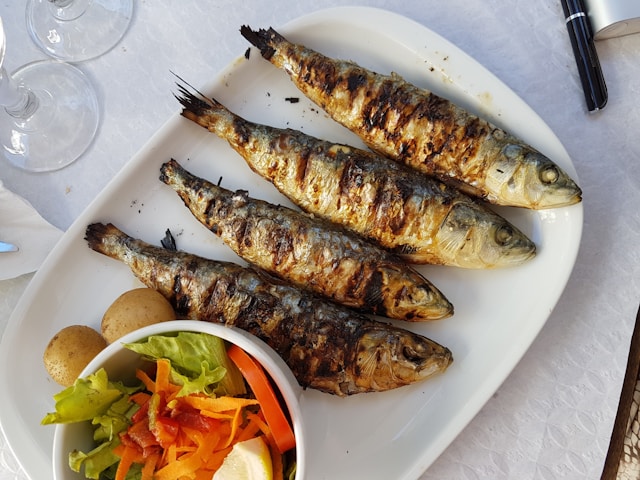
Portuguese sardinhas assadas are most famous during the Festa de Santo António in Lisbon each June, when the smell of sardines grilling over charcoal fills the streets. These small, oily fish are simply prepared: cleaned, salted, and grilled whole over very hot coals.
The high heat creates crispy, almost charred skin while keeping the interior moist. Sardines are typically served on bread (which soaks up the flavorful oils), with boiled potatoes, peppers, and a simple salad.
What makes Portuguese grilled sardines special is their seasonality and simplicity. They’re at their best during summer months when they’re fatty and flavorful, requiring nothing more than salt and fire to shine.
Tips For Trying Grilled Fish Around The World
When seeking out these dishes during your travels or at local restaurants, keep these guidelines in mind:
Look for high turnover. The best grilled fish comes from places that serve it frequently, ensuring freshness. Busy restaurants and popular street stalls are usually safe bets.
Ask about the catch. Don’t hesitate to inquire about where the fish came from and when it was caught. Quality establishments will happily share this information.
Embrace whole fish. While Western diners often prefer fillets, many cultures serve fish whole—head, bones, and all. This method keeps the fish moister during grilling and provides more flavor.
Watch the preparation. If possible, observe how the fish is being grilled. You’ll learn about techniques and seasonings while ensuring proper food handling practices.
Try local varieties. Rather than seeking familiar species, be adventurous with fish you haven’t tried before. Each region’s waters produce unique flavors worth experiencing.
Bringing Grilled Fish Traditions Home
You don’t need to travel across the globe to enjoy these dishes. Many of these preparations can be recreated in your backyard with some planning and the right ingredients.
Start with the freshest fish you can find. Build relationships with local fishmongers who can advise you on what’s in season and sustainably caught. Whole fish often costs less than fillets and yields better results on the grill.
Invest in a fish basket if you plan to grill whole fish regularly. These hinged tools make flipping easier and prevent delicate fish from falling apart or sticking to grates.
Research authentic recipes and don’t skip the marinades. The spice blends, herb combinations, and acidic components aren’t just flavor enhancers—they help tenderize the fish and create those characteristic taste profiles.
Control your heat. Different fish and preparations require different temperatures. Oily fish like mackerel and sardines can handle high heat, while delicate white fish need a gentler approach.
Finally, remember that grilled fish is best enjoyed fresh off the fire. Plan your timing so the fish goes from grill to plate with minimal delay.
Savor The World Through Fire And Fish
Grilled fish dishes like those at Chong Qing Grilled Fish offer a delicious lens through which to understand different cultures and their relationships with the sea, rivers, and lakes that sustain them. Each preparation reflects local tastes, available ingredients, and generations of culinary wisdom passed down through families and communities.
Whether you’re ordering ikan bakar at a Malaysian night market, making pescado zarandeado for a weekend barbecue, or savoring masgouf in Baghdad, you’re participating in ancient traditions that celebrate one of humanity’s most fundamental cooking methods.
The next time you’re planning a meal or mapping out a travel itinerary, consider making grilled fish your guide. Your taste buds—and your understanding of global cuisine—will thank you.
